

Allergens
How often does a food label say “may contain”, allergen by allergen?
Tree nuts are named in a “may contain” line on 117,647 products in Open Food Facts, 2.9 times as many as list them in the recipe.
We’re updating Bravoora, so forms and sign-in are paused for now. Nothing you saved is lost. Please try again later.
Skip to contentBarley malt extract and malt vinegar are barley, spelt is wheat, and oats count as a gluten cereal unless marked. What the label must say in each market.
Four names hide gluten in plain sight. Barley malt extract and malt vinegar are made from barley. Spelt is a kind of wheat. Oats sit on the gluten-cereal list in the EU, UK and Gulf, and only oats grown and processed apart from wheat, rye and barley may carry a gluten-free claim. The ingredient list must name the cereal.
The EU names the gluten cereals in one line: wheat, rye, barley, oats, spelt, kamut or their hybridised strains[1]. The UK keeps the same list and adds that spelt and khorasan are types of wheat, so the label has to say “spelt (wheat)” or “khorasan (wheat)”[2]. The English text of the Gulf standard GSO 9 lists wheat, barley, oats, rye and spelt, “as such or their hybridized strains and their products”[3]; the current edition is GSO 9:2022[4].
The rule in all three is the same: the label names the cereal, not the protein. “Barley malt extract” is the required form, and adding the word gluten is allowed but does not replace the cereal’s name[2].
The US works differently. Wheat is one of the nine major allergens, with milk, eggs, fish, crustacean shellfish, tree nuts, peanuts, soybeans and sesame[5]. Barley and rye are not on that list, even though the FDA describes gluten as proteins found in wheat, barley and rye[5]. So a US pack can list “malt extract” with no “Contains” line, and only the gluten-free rule limits what may sit under that claim.
Yes. Malt is barley that has been sprouted and dried, and malt extract is the sweet syrup drawn from it. It is in breakfast cereals, malted drinks, biscuits, chocolate coatings and some bread, usually low in the list because little is needed for the taste. In the EU and UK the cereal must be named, so the printed words are “barley malt extract” or “malt extract (barley)”[2].
Under the US gluten-free rule, malt extract is an ingredient made from a gluten-containing grain that has not been processed to remove gluten, and a food that contains it cannot be labelled gluten-free[6].
Malt vinegar is brewed from malted barley, so on EU and UK labels it names the cereal, usually as “barley malt vinegar”[2]. The EU exempts cereals used to make alcoholic distillates, such as spirit vinegar, from the allergen rule, but malt vinegar is fermented, not distilled, so barley stays on the label[1].
Where it hides: crisps and chips with a “salt and vinegar” flavour, pickles, brown sauces and some marinades. The label tells you the barley is there; how much gluten reaches the bottle is a question for the maker and your dietitian, not for the ingredient list.
No. Spelt is a species of wheat, and so are khorasan (sold as kamut), einkorn, emmer and durum. The UK guidance says spelt and khorasan are not suitable substitutes for someone avoiding wheat, and that the label must refer to wheat next to the name[2]. The EU list names spelt and kamut outright[1], and the Gulf text names spelt[3].
Wheat also travels under its product names: semolina, durum, bulgur, couscous, farro and farina. All of them are wheat on the label.
On EU, UK and Gulf labels, oats are one of the gluten cereals[1][3]. Most oats are grown, stored and milled alongside wheat and barley, which is why they are on the list. The word “oats” must be declared and emphasised even when the pack carries a gluten-free claim[2].
Oats may be labelled gluten-free only when they were specially produced, prepared or processed to avoid contamination by wheat, rye and barley, and when their gluten content does not exceed 20 mg/kg[8]. A pack that says “gluten-free oats” is making that claim; a pack that says “oats” is not.
In the US, oats are not a gluten-containing grain under the FDA rule, and oats labelled gluten-free must still contain less than 20 ppm of gluten[6].
In the EU and UK, four ingredients made from gluten cereals are exempt because the processing removes the protein: wheat-based glucose syrups including dextrose, wheat-based maltodextrins, glucose syrups based on barley, and cereals used for making alcoholic distillates[1][2]. So “glucose syrup” on an EU label may come from wheat without saying so.
The 2013 English text of GSO 9 names the cereals and “their products” without listing exemptions in that clause[3]. Imported packs sold in the Gulf often carry the EU or US wording as well, so both readings appear on the same shelf.
In the EU and UK, “gluten-free” may be used only when the food as sold contains no more than 20 mg/kg of gluten, and “very low gluten” when it contains no more than 100 mg/kg[8]. In the US the claim is voluntary and any unavoidable presence of gluten must be less than 20 ppm[6][7]. The claim sits beside the ingredient list, not instead of it: the cereal names stay, and the claim tells you what the maker has tested for.
Method: counts from the published dictionary file (English edition), version 1.5.1, built 1 October 2026 and read on 10 October 2026[9]. Names are matched case-insensitively on word boundaries. A match means the name is printed, not how much gluten the product contains.
Bravoora looks for the gluten names in the ingredient list and in the “may contain” lines, and shows you the printed word with its grain: “barley malt extract = barley”. A name in the list gives “Not for Mia”; a name only in a warning line gives “Heads up”. A gluten profile says how careful to be, whether traces count and whether oats marked gluten-free are fine, and the answer follows those choices. The methodology shows how it is tested.
The same dictionary runs in the free label checker, and it is published as open data[9].
Let Bravoora read the label with you.
Tell it once what matters: your allergens, your diet, the ingredients you watch. Every answer then shows the words it is based on.
This guide covers gluten names on prepacked food sold in the EU, the UK, the US and the Gulf states. It does not cover restaurant food, loose food, medicines or cosmetics.
Sources were checked on 10 October 2026. The Gulf list is quoted from the English text of GSO 9/2013; GSO 9:2022 is the current edition and the place to check for any change since 2013[3][4].
This is general label information, not medical advice. With a diagnosed condition, follow your clinician’s plan.
Usually. Malt flavouring and malt extract are made from barley unless the label says otherwise. In the EU and UK the cereal must be named, so look for the word barley next to it.
No. A wheat-free product can still contain barley, rye or oats. “Gluten-free” is the regulated claim, and it means 20 mg/kg of gluten or less in the EU and UK and less than 20 ppm in the US.
A gluten-free product still lists oats because oats are on the gluten-cereal list in the EU, UK and Gulf, so the name stays on the label even when the oats were produced apart from wheat, rye and barley and tested to the 20 mg/kg limit.
In the EU and UK, cereals used to make alcoholic distillates are exempt from the allergen rule, so spirit vinegar made from wheat need not name it. Malt vinegar is fermented, not distilled, so barley stays on its label.
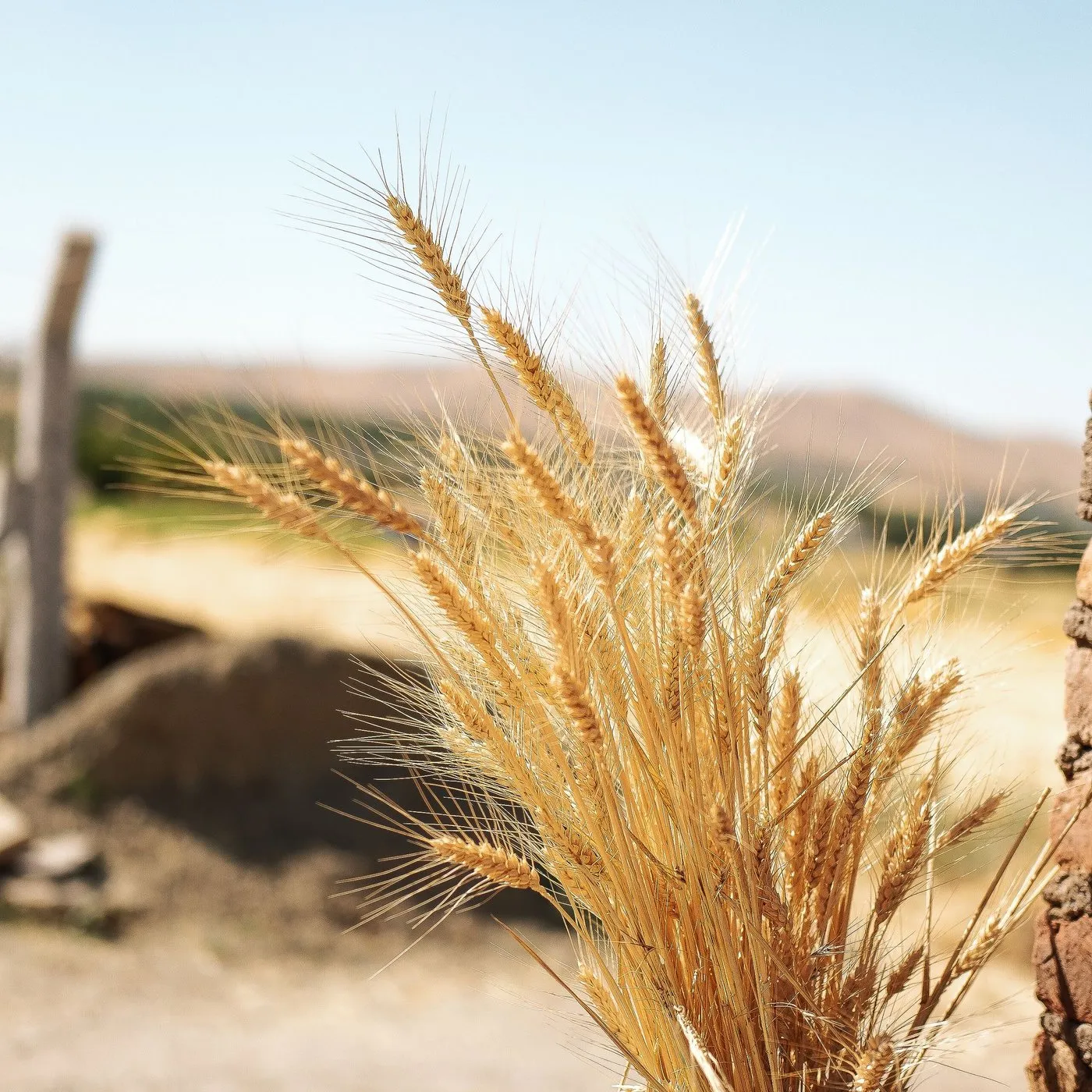 GlutenA protein in wheat, barley and rye, and in foods made from them.Read the guide
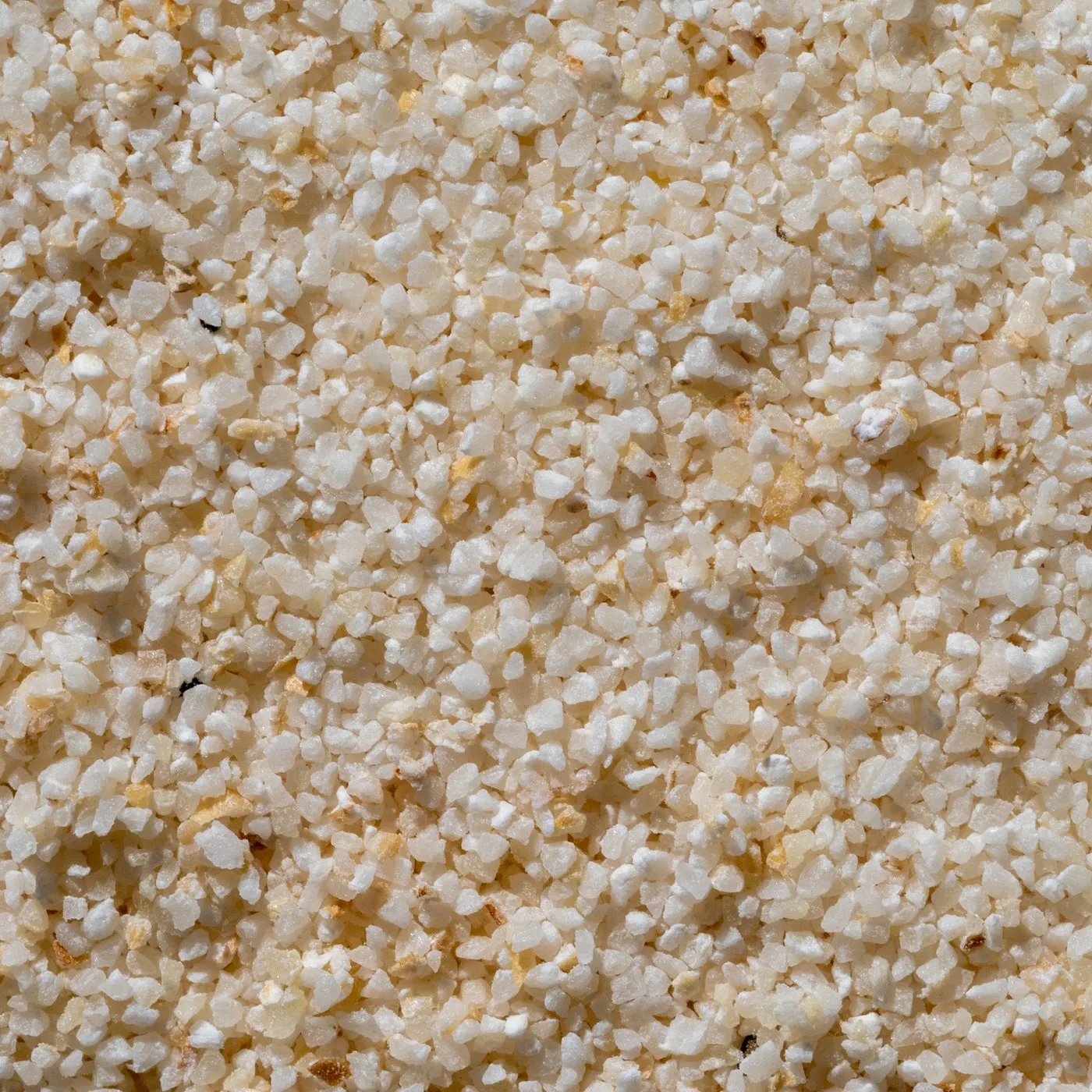 SemolinaCoarse wheat flour. If a label says semolina, it says wheat.Read the guide
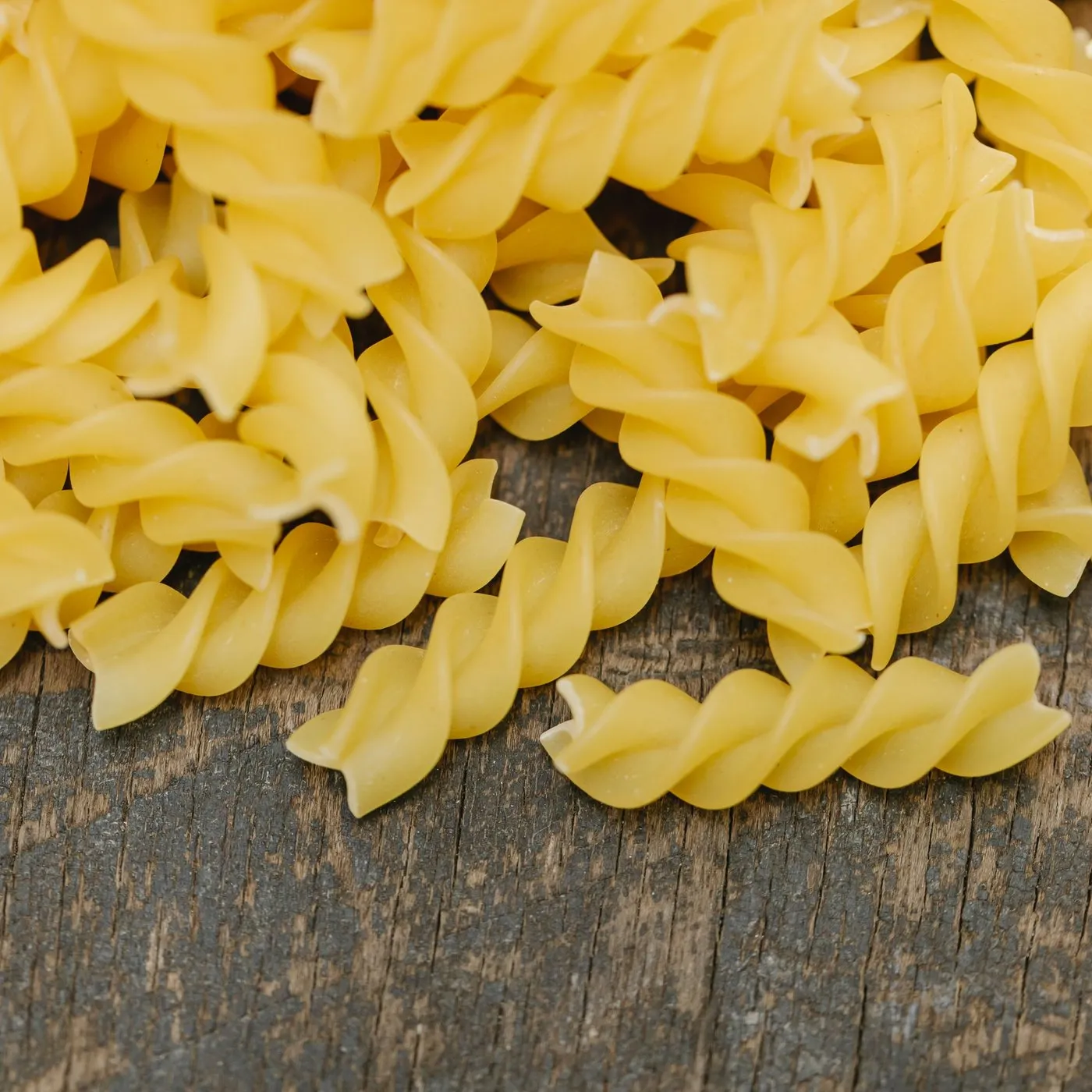 Durum wheatThe hard wheat pasta is made from. It is wheat, so it is gluten.Read the guide
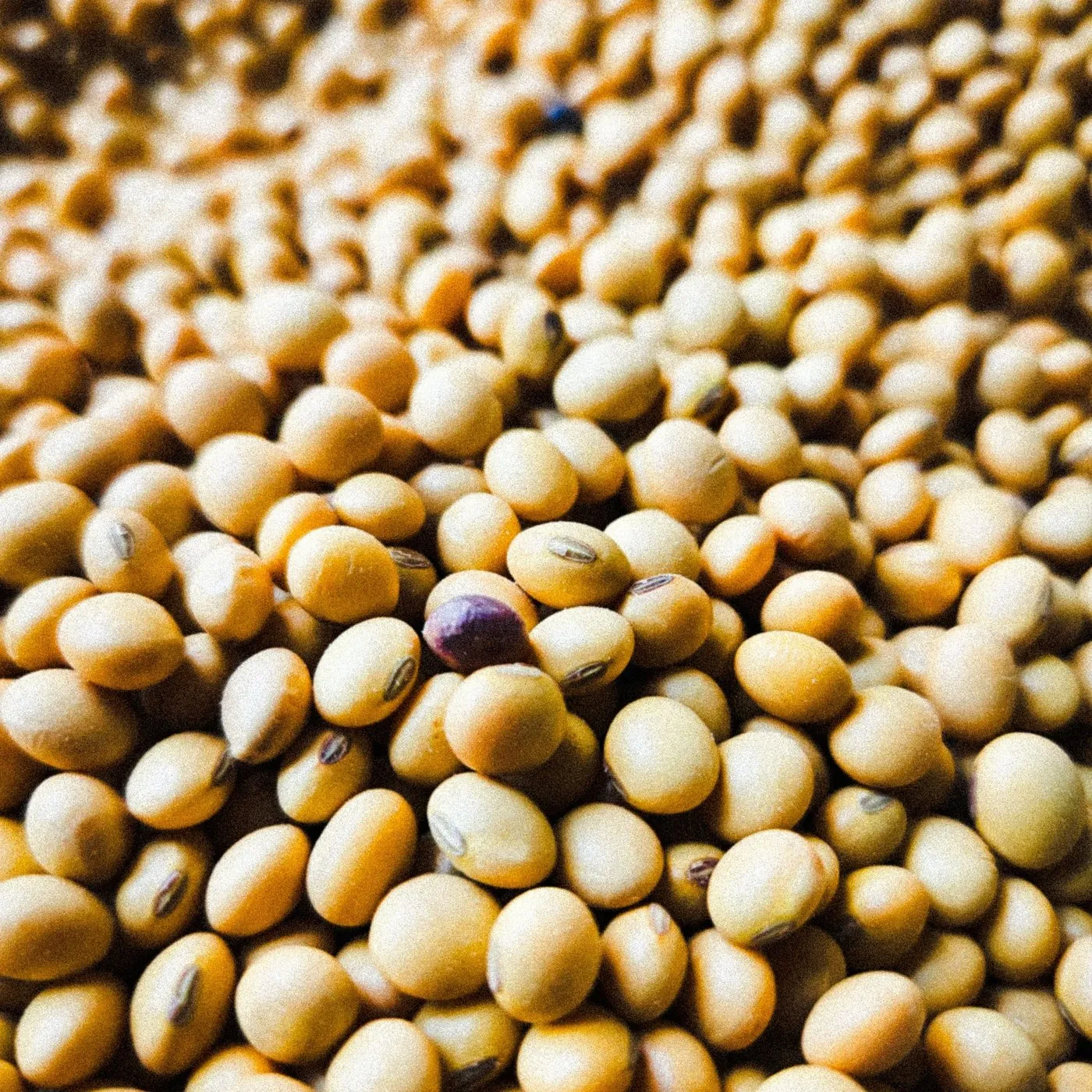 SoyA bean that turns up as protein, oil, sauce and lecithin.Read the guide
Tree nuts are named in a “may contain” line on 117,647 products in Open Food Facts, 2.9 times as many as list them in the recipe.
The EU names eight tree nuts, the US twelve. Almond is on 43,612 products in Open Food Facts; coconut, on 33,931, is a tree nut on no list.
Build your profile in about three minutes: the people you check for, what they avoid, what you track.