

Allergens
How often does a food label say “may contain”, allergen by allergen?
Tree nuts are named in a “may contain” line on 117,647 products in Open Food Facts, 2.9 times as many as list them in the recipe.
We’re updating Bravoora, so forms and sign-in are paused for now. Nothing you saved is lost. Please try again later.
Skip to contentThe EU names eight tree nuts, the US twelve. Almond is on 43,612 products in Open Food Facts; coconut, on 33,931, is a tree nut on no list.
The EU names eight tree nuts: almonds, hazelnuts, walnuts, cashews, pecans, Brazil nuts, pistachios and macadamias. The US has named 12 since January 2025. Almond is on the most products in Open Food Facts (43,612). Coconut, on 33,931, is a tree nut on none of these lists, and peanut is a legume with its own entry.
The EU and UK list names eight nuts by species: almonds, hazelnuts, walnuts, cashews, pecan nuts, Brazil nuts, pistachio nuts, and macadamia or Queensland nuts, with the products made from them[1]. The US list has named 12 since January 2025, when the FDA cut its longer list down and took coconut off it[2][3].
A US label must name the type of nut, such as almonds or pecans, not just “tree nuts”[4]. EU and UK labels name the nut in the ingredient list and emphasise it.
| Market | The tree-nut rule |
|---|---|
| European Union and UK | 8 named nuts: almonds, hazelnuts, walnuts, cashews, pecans, Brazil nuts, pistachios, macadamias[1] |
| United States | 12 named nuts since January 2025; coconut removed[2] |
| Gulf (GSO 9) | Tree nuts must be declared[2] |
Almond, on 43,612 products, then hazelnut (26,097) and cashew nuts (14,546)[5]. Pecan nut is the most American of the eight: 69% of its products are sold in the US. Hazelnut is the most French: 46% are sold in France.
Bravoora’s dictionary has 49 names in its tree-nut family, each with its own page[6].
| Nut | Products | Of them sold in the US | Most often in |
|---|---|---|---|
| Almond | 43,612 | 16,600 | Biscuits and cakes |
| Hazelnut | 26,097 | 2,376 | Sweets |
| Cashew nuts | 14,546 | 6,601 | Nuts |
| Walnut | 9,196 | 3,331 | Biscuits and cakes |
| Pecan nut | 6,862 | 4,718 | Biscuits and cakes |
| Pistachio nuts | 6,007 | 1,532 | Nuts |
| Macadamia nut | 1,796 | 885 | Nuts |
| Brazil nut | 1,791 | 690 | Nuts |
Because no list names them. The US took coconut off its list in January 2025, and it was never on the EU, UK or Gulf lists[2]. It is on 33,931 products in Open Food Facts, more than every tree nut but almond, and coconut oil, filed apart from it, is on 33,791[5].
Chestnut is not one of the eight nuts the EU names[1], and Bravoora’s tree-nut guide does not list it. Open Food Facts lists chestnut on 1,680 products, 1,330 of them sold in France[5].
Other names only sound like nuts. Peanut, on 32,122 products, is a legume, declared as its own allergen[7]; nutmeg (13,448 products), water chestnut (888) and butternut squash (1,369) are not on any allergen list[8].
Method: product counts from the Open Food Facts export, read on 13 October 2026[5]; the nuts from Bravoora’s dictionary[6] and, for pine nuts, chestnut, peanut and almond paste, the same export. A product counts under a nut when its list names it or a more specific kind of it, in any language. Contains information from Open Food Facts, which is made available here under the Open Database License (ODbL)[11].
Bravoora reads each nut by name, and the pastes and sweets made from them, in the ingredient list and in the “may contain” line, and shows the printed word with its meaning: “gianduja = hazelnut”. For Daniel, whose profile avoids tree nuts, the pine nuts in a pesto give “Not for Daniel”; coconut is not counted as a tree nut, in line with the US, EU, UK and Gulf lists. The methodology shows how it is tested.
Let Bravoora read the label with you.
Tell it once what matters: your allergens, your diet, the ingredients you watch. Every answer then shows the words it is based on.
This article counts tree nuts in Open Food Facts, a database its contributors fill in from real packs: it covers the products in it, not every product on sale, and a count is not a market share.
Rules covered: the EU and UK list of eight nuts, the US list of 12 since January 2025 and the Gulf rule, as Bravoora’s tree-nut guide sets them out. Sources were checked on the dates listed below.
This is general label information, not medical advice. An allergy to one tree nut does not always mean an allergy to the others; with a diagnosis, follow your clinician’s plan.
Not on a food label. The US took coconut off its tree nut list in January 2025, and it is not one on the EU, UK or Gulf lists either. It is on 33,931 products in Open Food Facts.
No. A peanut is a legume, and every major allergen list declares it as its own allergen, apart from tree nuts.
They are not among the eight nuts the EU names, but Bravoora’s tree-nut guide counts them, and pesto is usually made with them. Open Food Facts lists pine nuts on 2,273 products.
Chestnut is not one of the eight nuts the EU names, and Bravoora’s tree-nut guide does not list it. Open Food Facts lists it on 1,680 products, most of them sold in France.
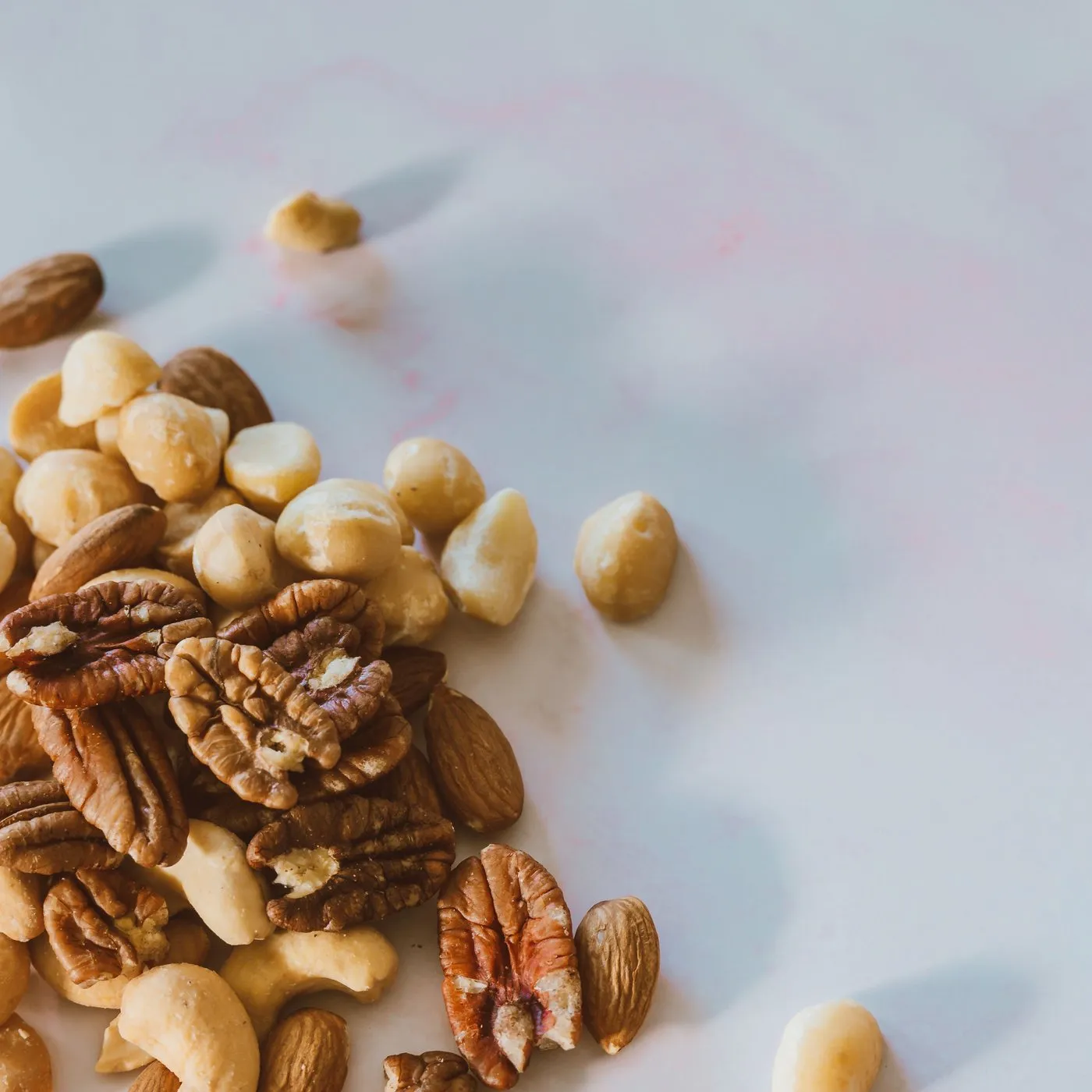 Tree nutsAlmonds, cashews, walnuts and the rest — and the sweets they hide inside.Read the guide
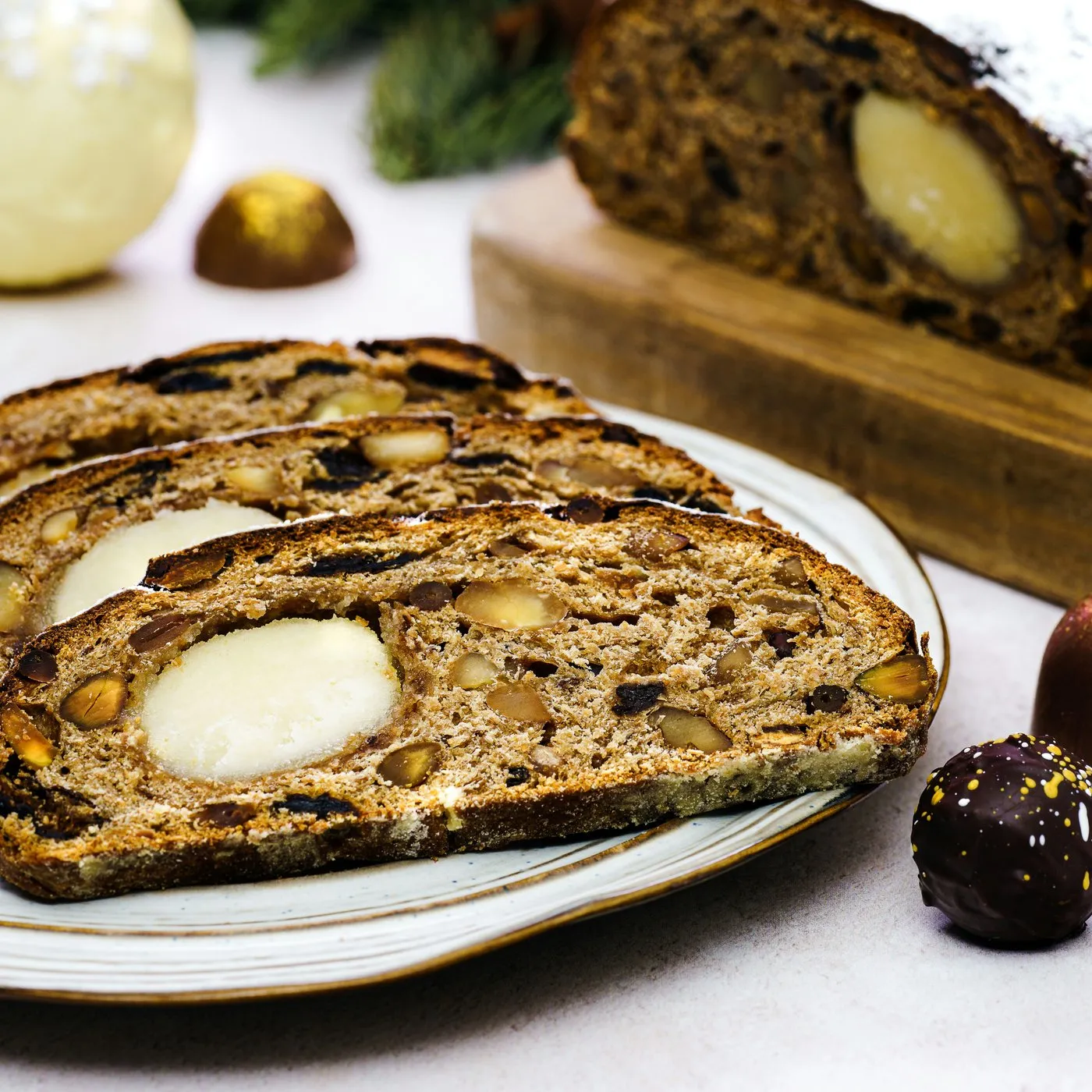 MarzipanAlmonds and sugar, ground to a paste. On a label, marzipan means almonds.Read the guide
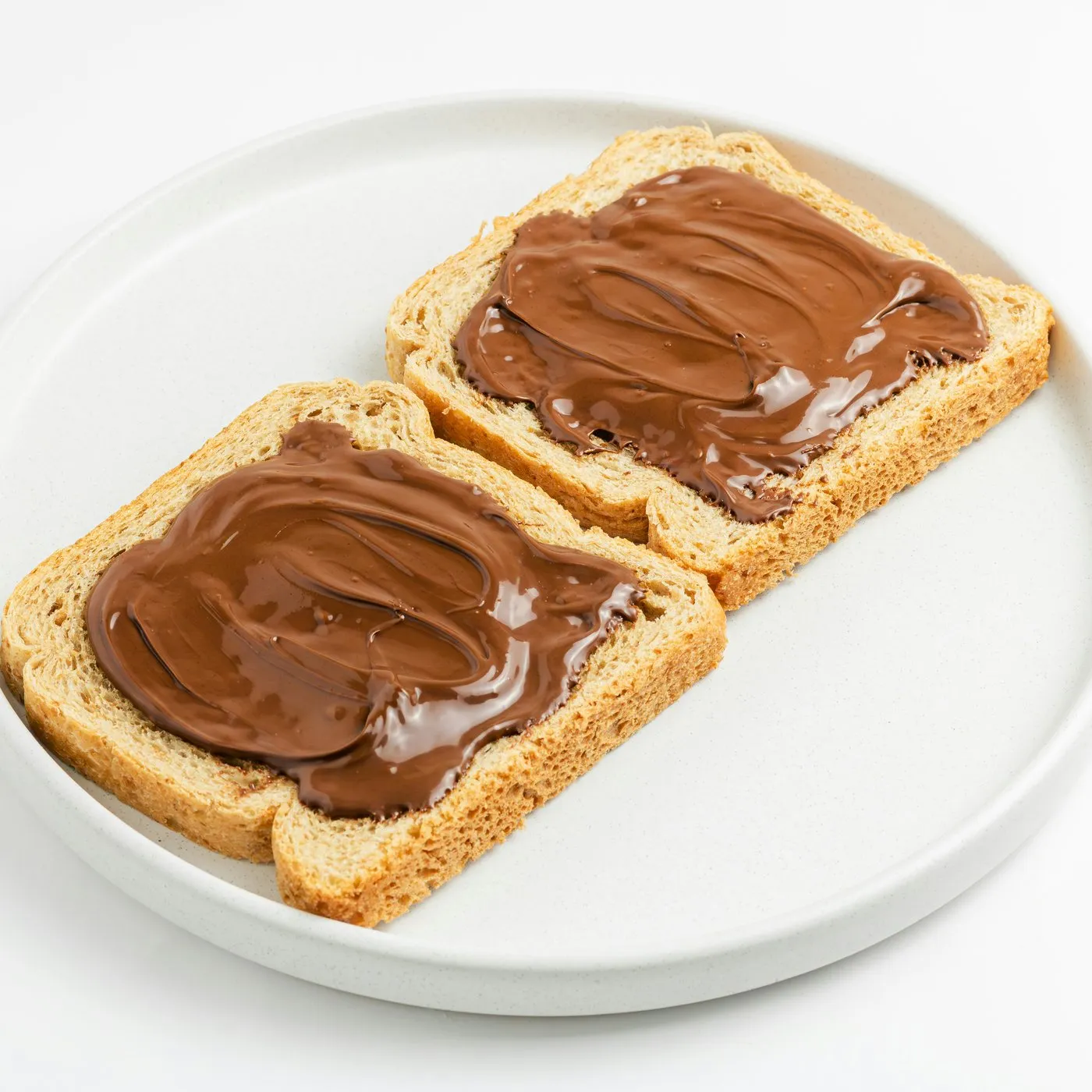 GiandujaChocolate blended with hazelnut paste. On a label, gianduja means hazelnuts.Read the guide
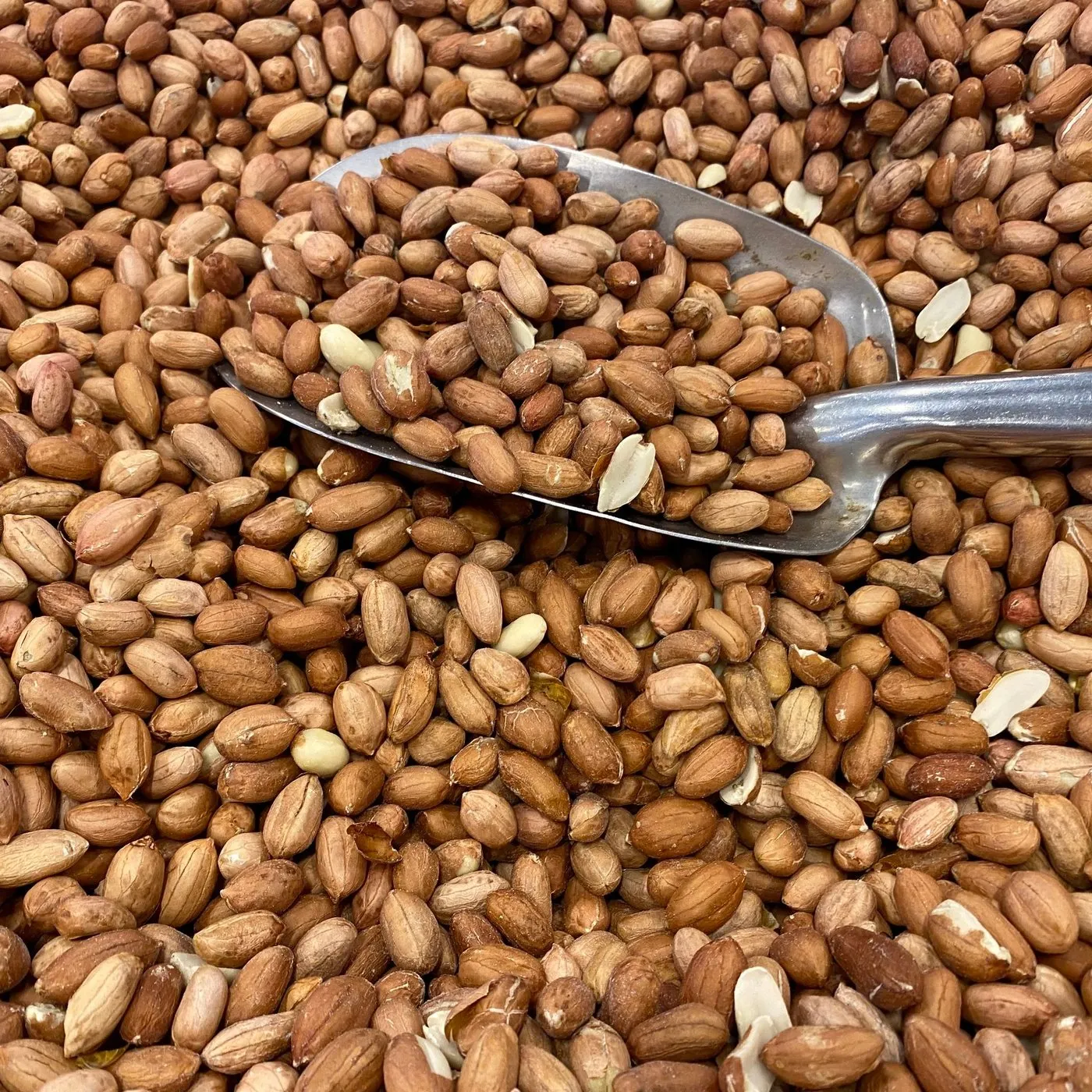 PeanutsA legume, not a tree nut, and one of the most common food allergens.Read the guide
Tree nuts are named in a “may contain” line on 117,647 products in Open Food Facts, 2.9 times as many as list them in the recipe.
Salmon, tuna and anchovy lead the fish names in Open Food Facts, shrimp the crustaceans and mussel the molluscs. Who must declare which.
Build your profile in about three minutes: the people you check for, what they avoid, what you track.