Reading labels
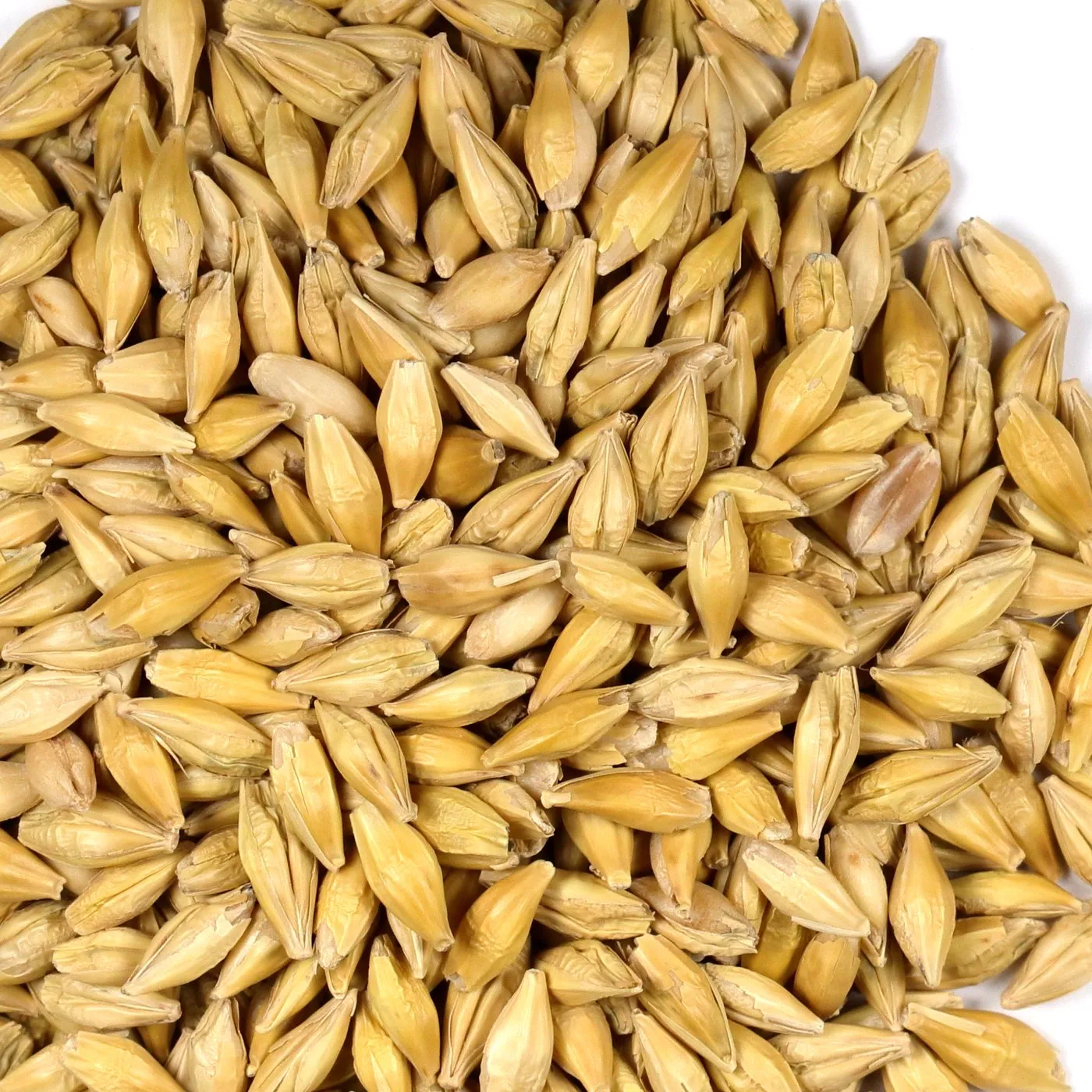
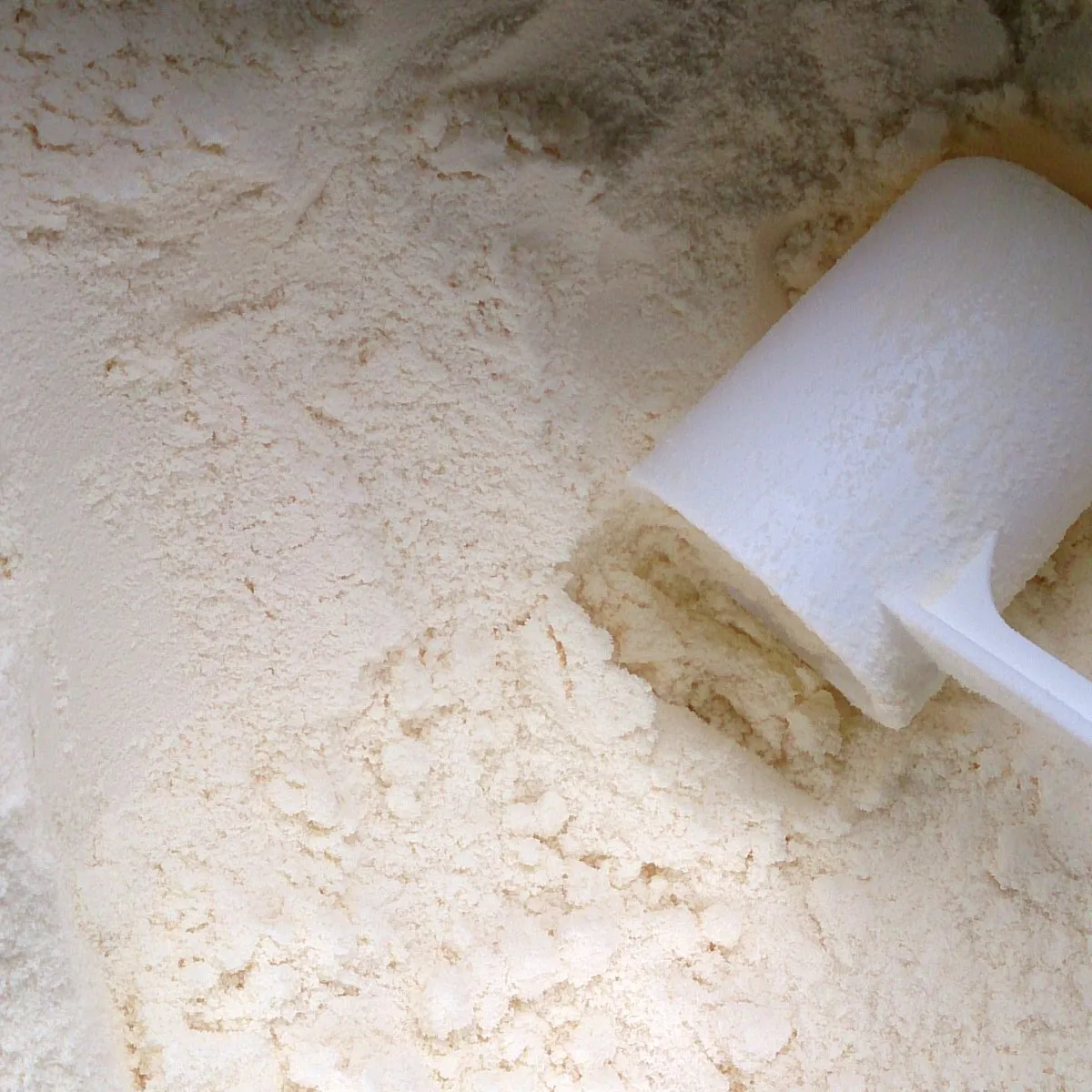
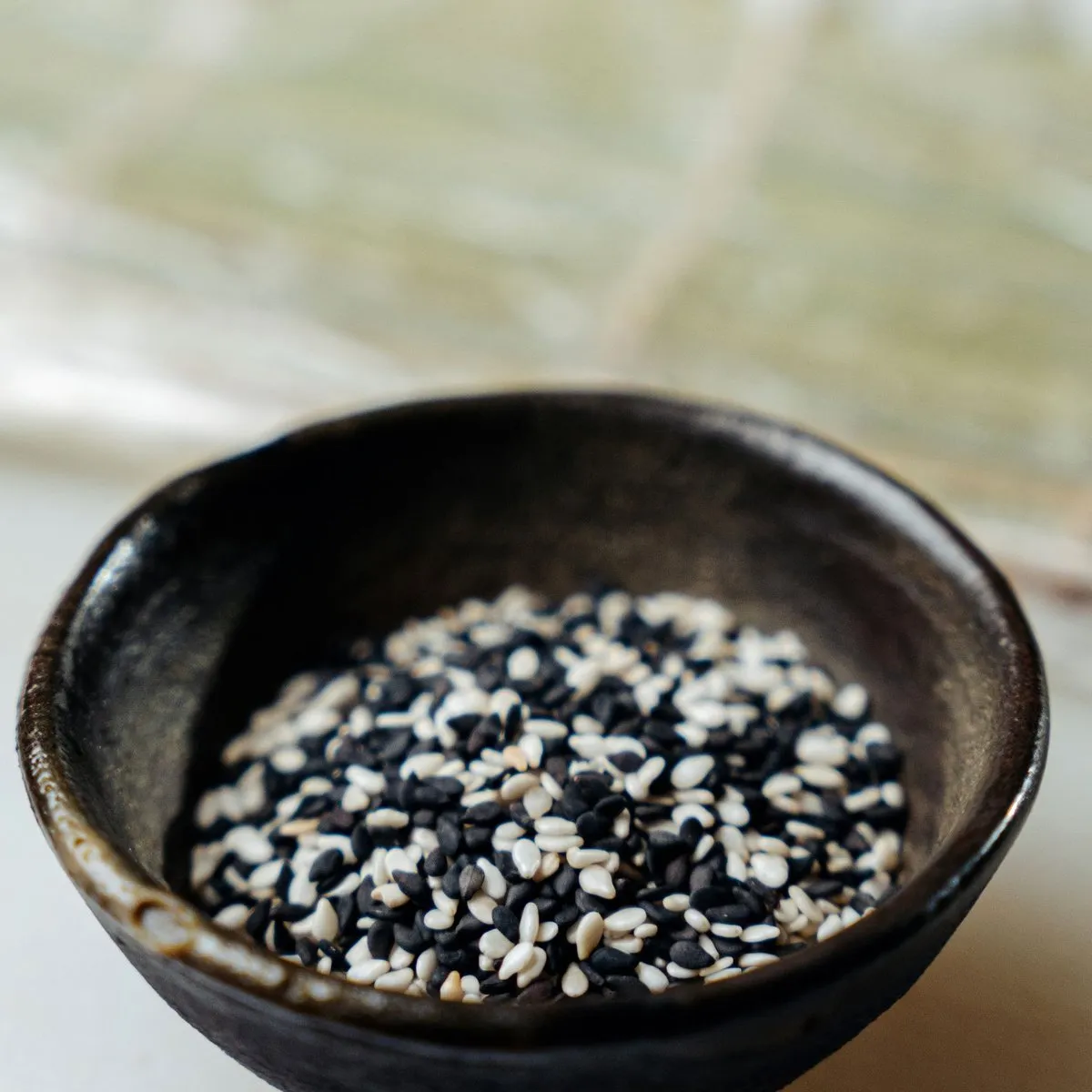
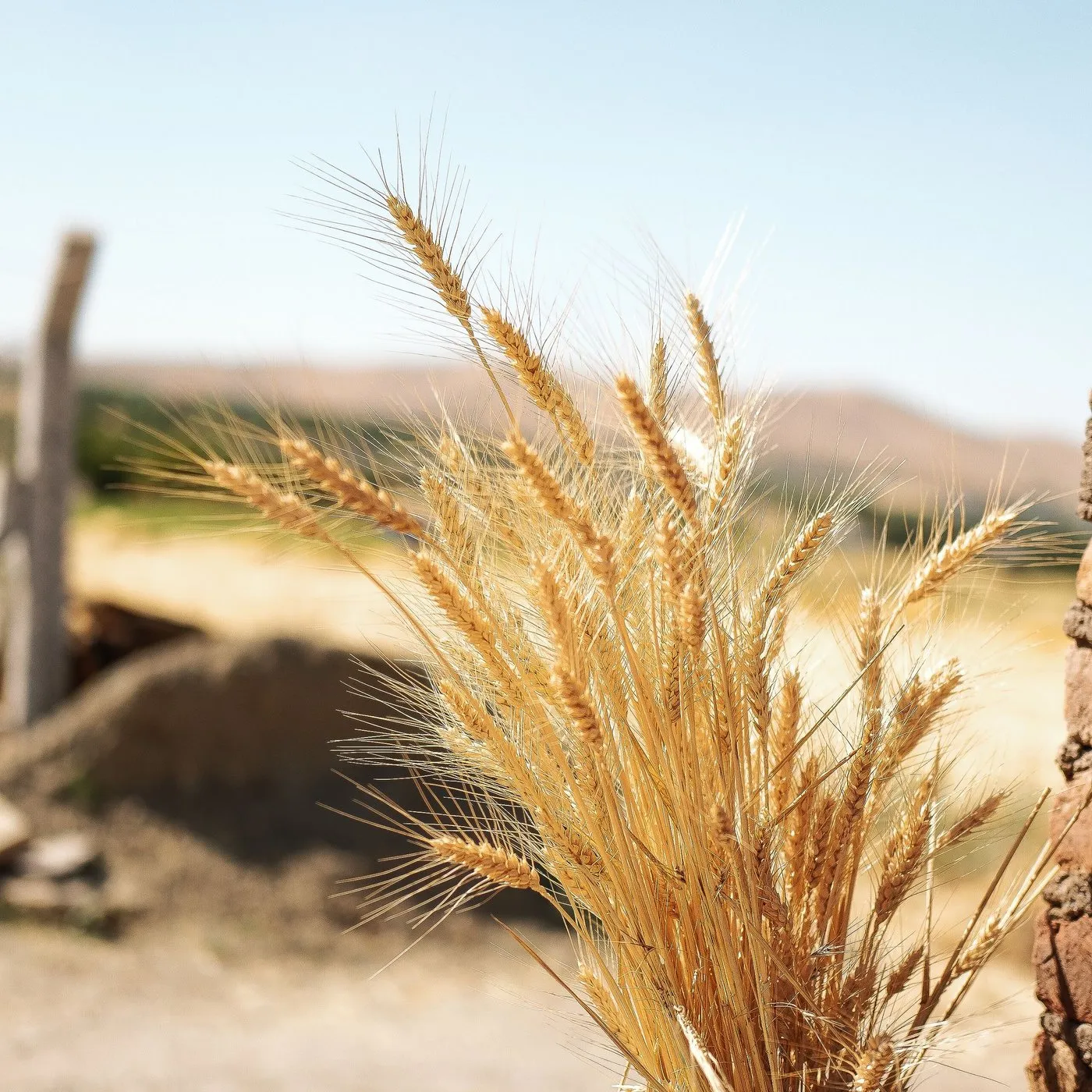
How much protein is in flour, oats and seeds per 100 g?
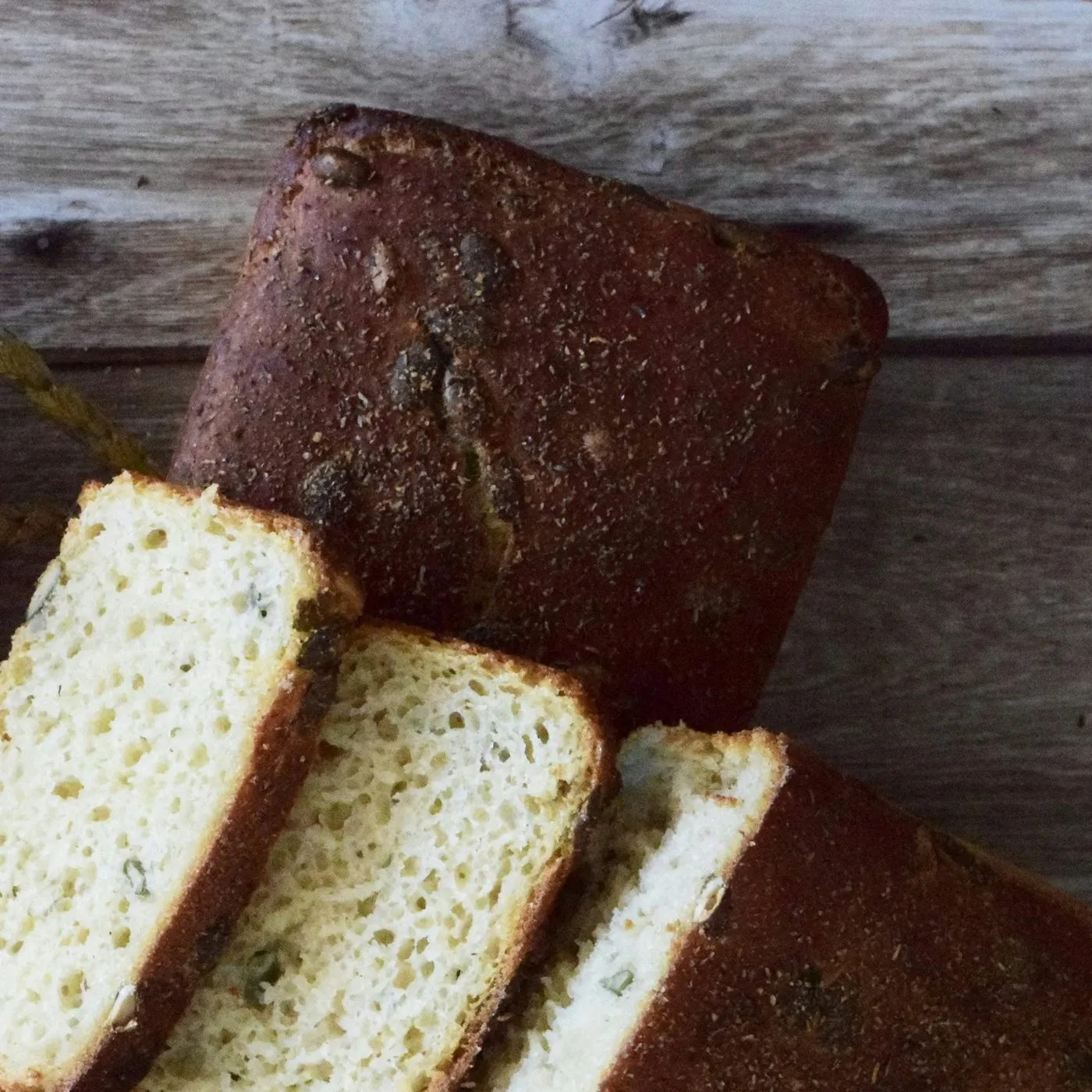
Soya flour has 35.8 g of protein per 100 g, wheat flour 9.6 g and oat flakes 13.3 g. Protein and calories for 17 flours, grains and seeds.
Read the guideWe’re updating Bravoora, so forms and sign-in are paused for now. Nothing you saved is lost. Please try again later.
Skip to contentClear, sourced guides to allergen warnings, ingredient names and skincare labels.
Soya flour has 35.8 g of protein per 100 g, wheat flour 9.6 g and oat flakes 13.3 g. Protein and calories for 17 flours, grains and seeds.
Read the guideTree nuts are named in a “may contain” line on 117,647 products in Open Food Facts, 2.9 times as many as list them in the recipe.
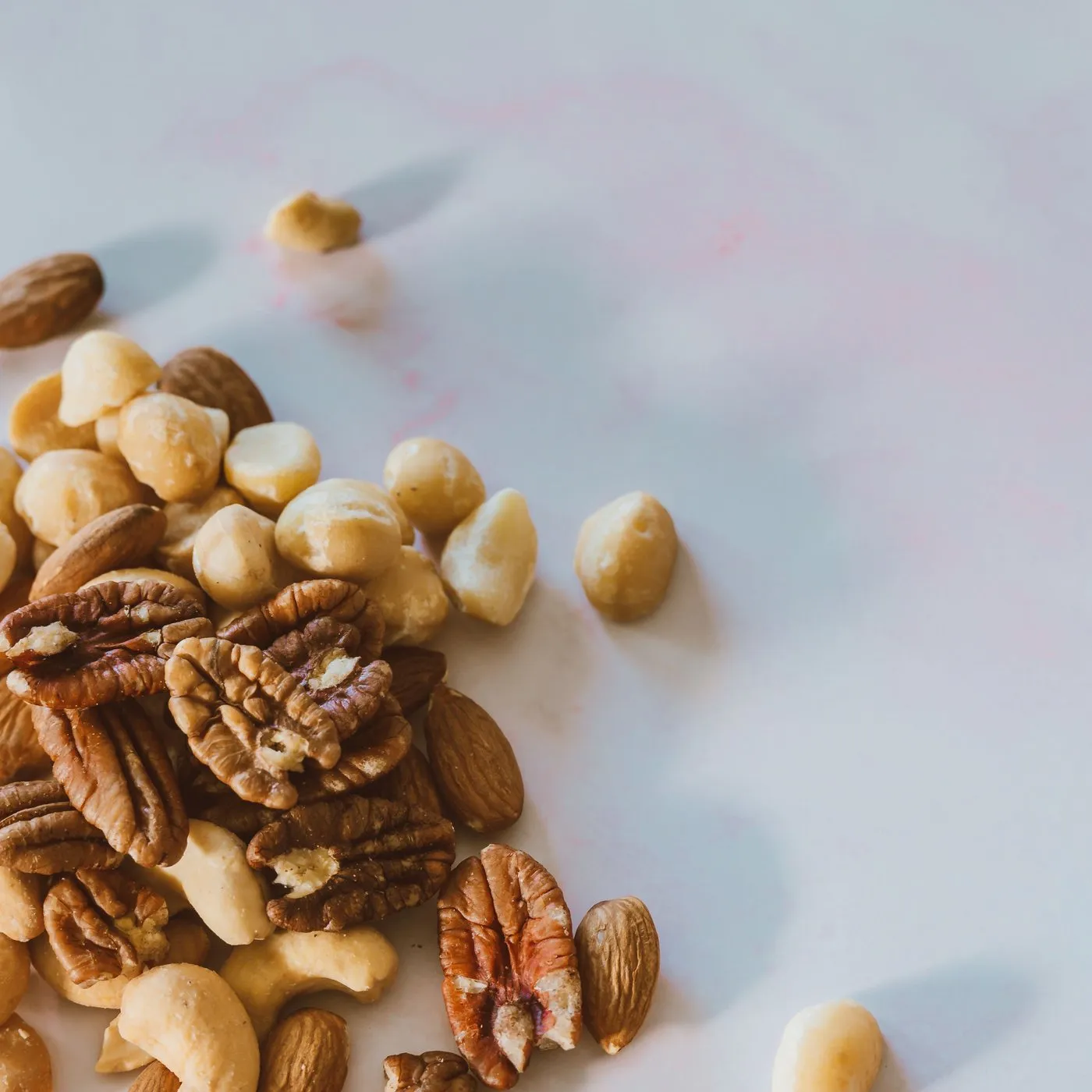
The EU names eight tree nuts, the US twelve. Almond is on 43,612 products in Open Food Facts; coconut, on 33,931, is a tree nut on no list.
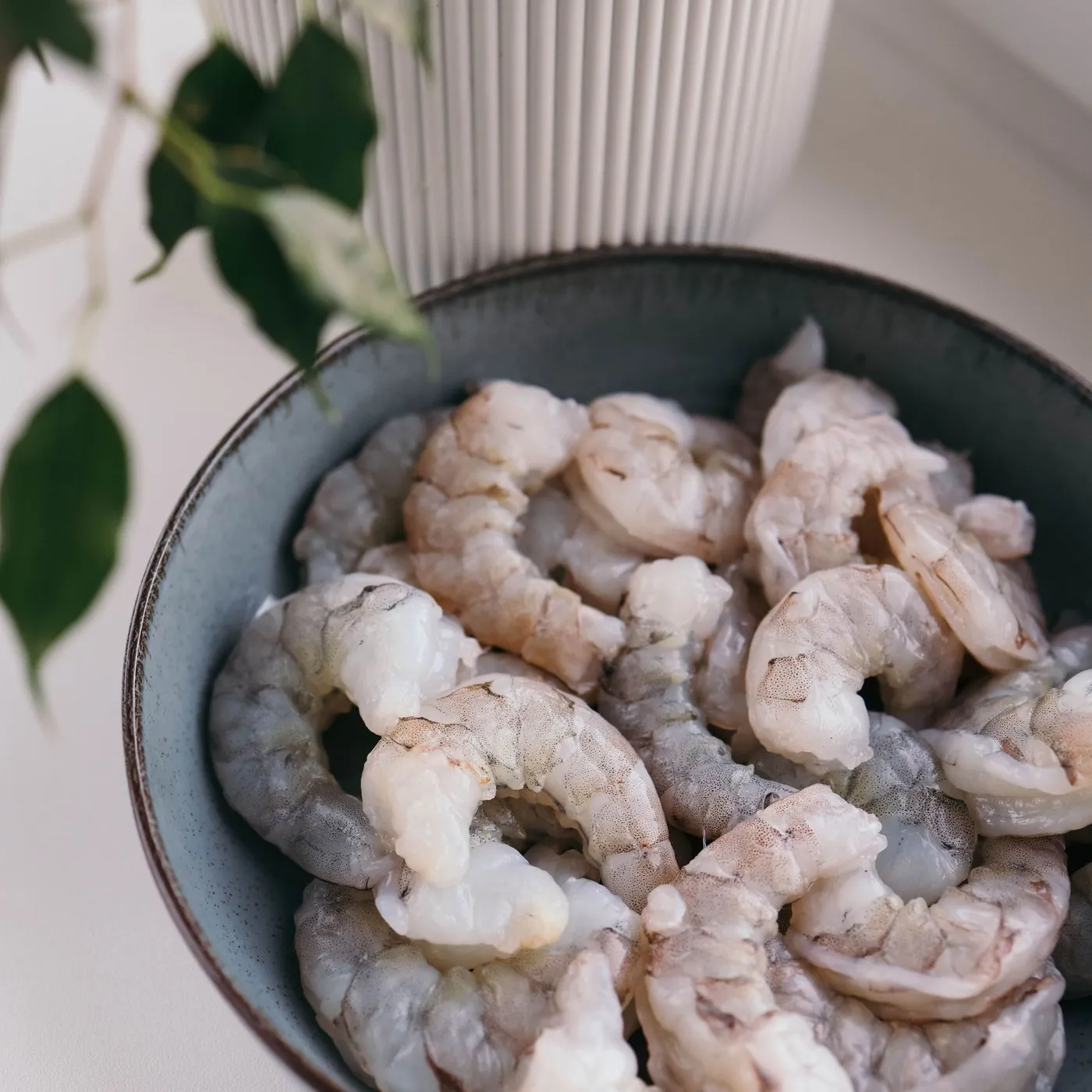
Salmon, tuna and anchovy lead the fish names in Open Food Facts, shrimp the crustaceans and mussel the molluscs. Who must declare which.
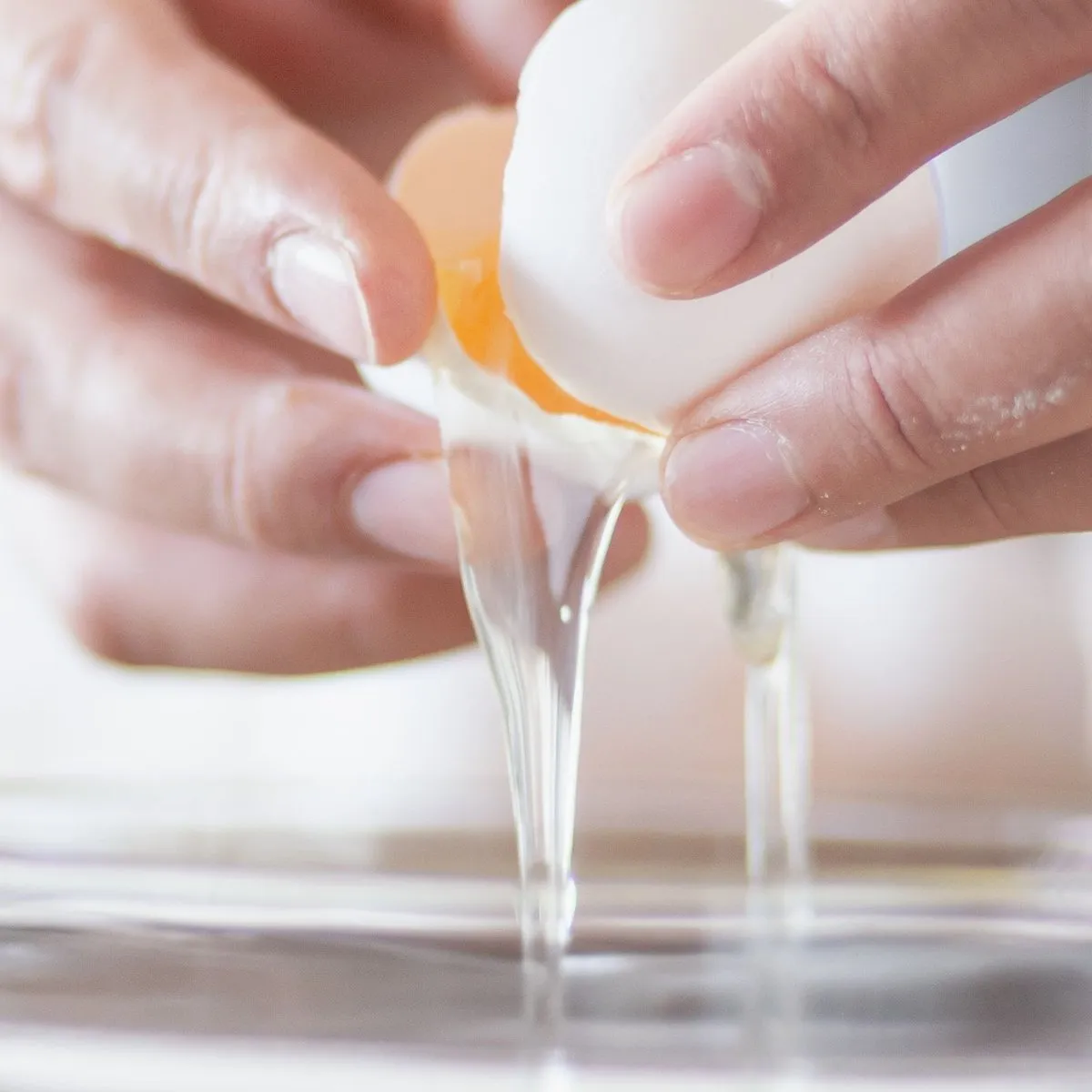
Egg is on 115,834 products in Open Food Facts. Its other names are its parts and forms: egg yolk, egg white or albumen, whole egg, egg powder, lysozyme.
Wheat is on 258,709 products in Open Food Facts, then oats, malt, barley and rye. EU and UK labels must name them all; US labels flag wheat only.
Milk is on 186,302 products in Open Food Facts. Four of the next nine milk names never say milk: cream, whey, cheese and butter.
Sesame tops burger buns, bagels and crackers and hides in granola bars, dressings and sauces. The foods to check, its other names and who must declare it.
Barley malt extract and malt vinegar are barley, spelt is wheat, and oats count as a gluten cereal unless marked. What the label must say in each market.
Whey, casein, lactose and ghee are all milk. The label names that mean milk, three that only sound like it, and milk allergy vs lactose intolerance.
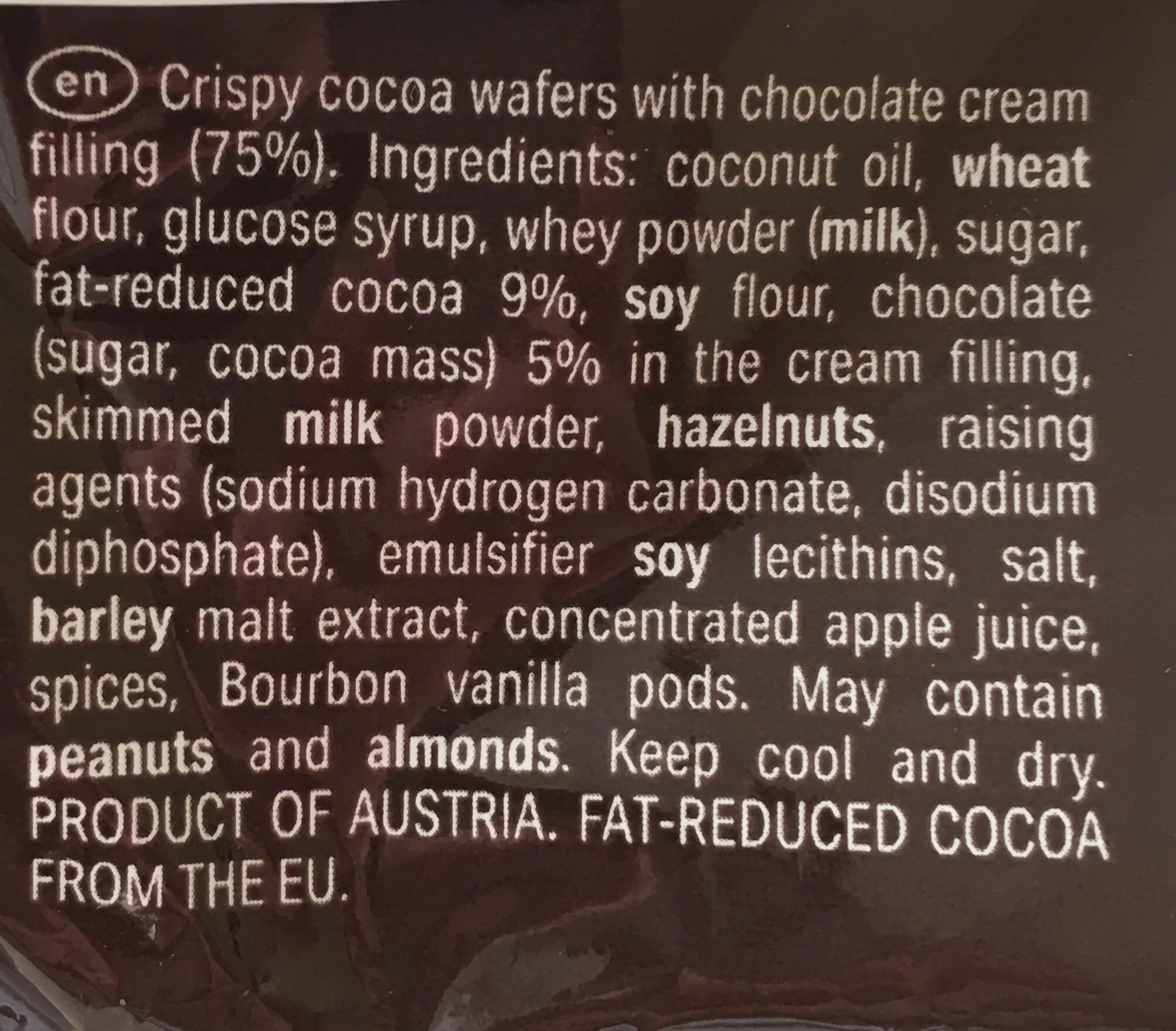
Read three places: the ingredient list, the “Contains” line and the “may contain” line. Here is what each means under EU, UK, US and Gulf rules.
Sugar, on 524,712 products in Open Food Facts, is vegan only for some makes; so are natural flavouring, lactic ferments and artificial flavouring.
Of the 328 E-numbers in Bravoora’s list, seven always come from an animal or an insect, such as carmine (E120), and 49 more can.
%DV compares a serving with a US Daily Value, IU is the older unit beside mcg, and a proprietary blend gives one weight for many ingredients.
Glucose syrup, dextrose, invert sugar and date syrup are sugar by other names; maltodextrin is starch that mostly escapes the sugars line. How to read both.
Drinks state caffeine per 100 ml, supplements per serving, and blends often give no number. How to add up a day from the labels, and where they go silent.
Linalool, Limonene, Citral and Geraniol are fragrance allergens an EU label must name. Since 31 July 2026, new products must name 56 more.
Read the first six ingredients, find “Parfum” and the allergens named with it, then check the CI numbers at the end. Here is why each step works.
How we write and check articles
Build your profile in about three minutes: the people you check for, what they avoid, what you track.