

Allergens
Which nuts count as tree nuts on a food label?
The EU names eight tree nuts, the US twelve. Almond is on 43,612 products in Open Food Facts; coconut, on 33,931, is a tree nut on no list.
We’re updating Bravoora, so forms and sign-in are paused for now. Nothing you saved is lost. Please try again later.
Skip to contentTree nuts are named in a “may contain” line on 117,647 products in Open Food Facts, 2.9 times as many as list them in the recipe.
Tree nuts are the allergen a “may contain” line names most: 117,647 products in Open Food Facts, against 41,106 that list them in the recipe. For eight of the 14 allergens the warning outnumbers the recipe at least twofold, led by lupin (7.1 times). For milk and gluten it is the reverse.
Tree nuts, by a wide margin: Open Food Facts’ traces field, where it records the “may contain” line, names them on 117,647 product records[1]. Then come soy (85,494), milk (74,440), gluten (61,043) and eggs (56,374). Lupin, the least named, is on 8,534. For the names behind the group, Bravoora’s dictionary lists the 49 names that contain tree nuts.
| Allergen | In the recipe | In a “may contain” line | Warnings for each recipe |
|---|---|---|---|
| Tree nuts | 41,106 | 117,647 | 2.9 |
| Soy | 73,418 | 85,494 | 1.2 |
| Milk | 192,782 | 74,440 | 0.4 |
| Gluten | 145,306 | 61,043 | 0.4 |
| Eggs | 54,783 | 56,374 | 1.0 |
| Sesame | 11,789 | 48,128 | 4.1 |
| Mustard | 16,806 | 40,764 | 2.4 |
| Peanuts | 14,151 | 40,331 | 2.9 |
| Celery | 15,592 | 33,146 | 2.1 |
| Fish | 19,614 | 17,967 | 0.9 |
| Crustaceans | 6,588 | 15,606 | 2.4 |
| Molluscs | 3,801 | 12,124 | 3.2 |
| Sulphites | 18,442 | 10,878 | 0.6 |
| Lupin | 1,196 | 8,534 | 7.1 |
For eight of the 14. Lupin is named in a warning 7.1 times as often as in a recipe, sesame 4.1 times, peanuts 2.9 times and tree nuts 2.9 times[1]. A warning covers cross-contact in a factory, not the recipe, so an allergen few recipes use can still be named on many packs.
Fish, sulphites, gluten and milk go the other way: more records list them in the recipe than in a warning. Milk is in 192,782 recipes and 74,440 warnings, a ratio of 0.4.
It means the allergen could be present through cross-contact, such as a shared line or factory, and it is not an ingredient. The line is voluntary in the EU, the UK and the US, and no legal threshold triggers it, so one factory may print it while another with the same risk does not[2][3].
The UK Food Standards Agency asks businesses to use it only after a real risk assessment, never as a blanket disclaimer[3]. So its absence does not prove the allergen is absent.
Bravoora’s guide to reading a label for allergens sets out where the line sits on a pack in each market[4].
More than one phrase. Bravoora’s label checker reads twelve English phrases as a precautionary line, among them “may contain”, “may also contain”, “traces of” and “may be present”, and, for the factory, “manufactured in a facility”, “produced in a facility” and “made in a facility”. Whatever the wording, the allergen after it is a warning, not an ingredient.
Method: the allergens and traces fields of the Open Food Facts export of 4,535,553 products, read on 13 October 2026[1]. A record counts once for each allergen a field names. The fields are filled in by contributors from the pack, so a product without them may still carry a warning, and the counts compare one field with the other rather than measure every pack on sale. Contains information from Open Food Facts, which is made available here under the Open Database License (ODbL)[5].
Bravoora reads the warning as its own sentence and keeps it apart from the ingredient list. For Mia, whose profile avoids peanuts, peanut in the list gives “Not for Mia”, and peanut only in a “may contain” line gives “Heads up”, with the printed words shown. A profile says how strict to be, and the answer follows it. The methodology shows how it is tested.
Let Bravoora read the label with you.
Tell it once what matters: your allergens, your diet, the ingredients you watch. Every answer then shows the words it is based on.
This article compares two fields of Open Food Facts, a database its contributors fill in from real packs: it covers the records that fill them in, not every product on sale.
Rules covered: the voluntary “may contain” line in the EU, the UK and the US. Sources were checked on the dates listed below.
This is general label information, not medical advice. With a diagnosed allergy, ask your clinician how to treat a “may contain” line.
No. It is voluntary in the EU, the UK and the US, and no legal threshold triggers it. It should follow a real risk assessment, but its absence does not prove the allergen is absent.
Tree nuts: Open Food Facts records them in the “may contain” field of 117,647 products, against 41,106 that list them in the recipe.
No. “Contains” sums up the allergens in the recipe; “may contain” warns of possible cross-contact. For an allergy, a “may contain” line deserves the same weight as “contains”; Bravoora shows the two apart.
A warning covers cross-contact in a factory, not the recipe, so an allergen few recipes use can still be named on many packs. Lupin is named in 8,534 warnings and 1,196 recipes, sesame in 48,128 warnings and 11,789 recipes.
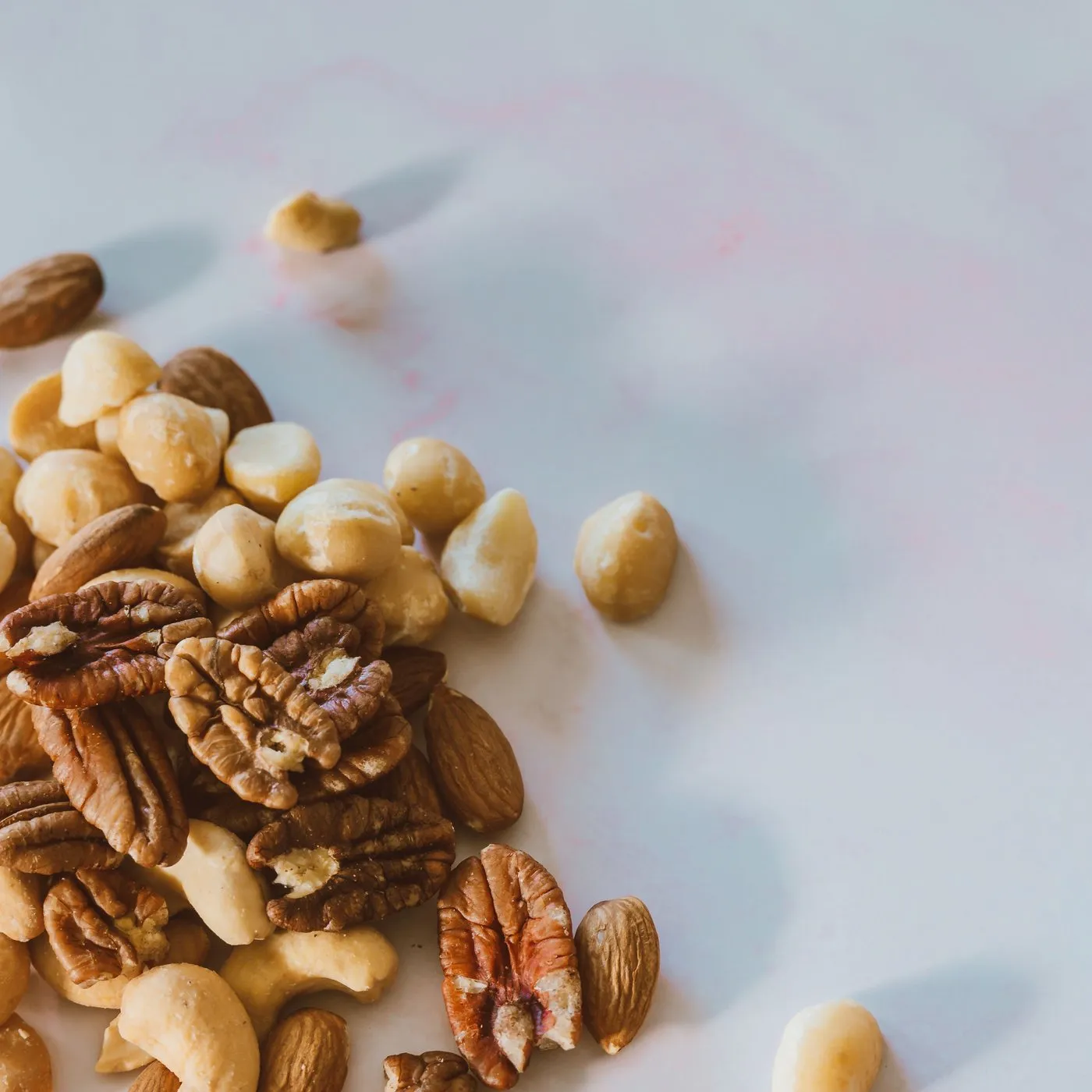 Tree nutsAlmonds, cashews, walnuts and the rest — and the sweets they hide inside.Read the guide
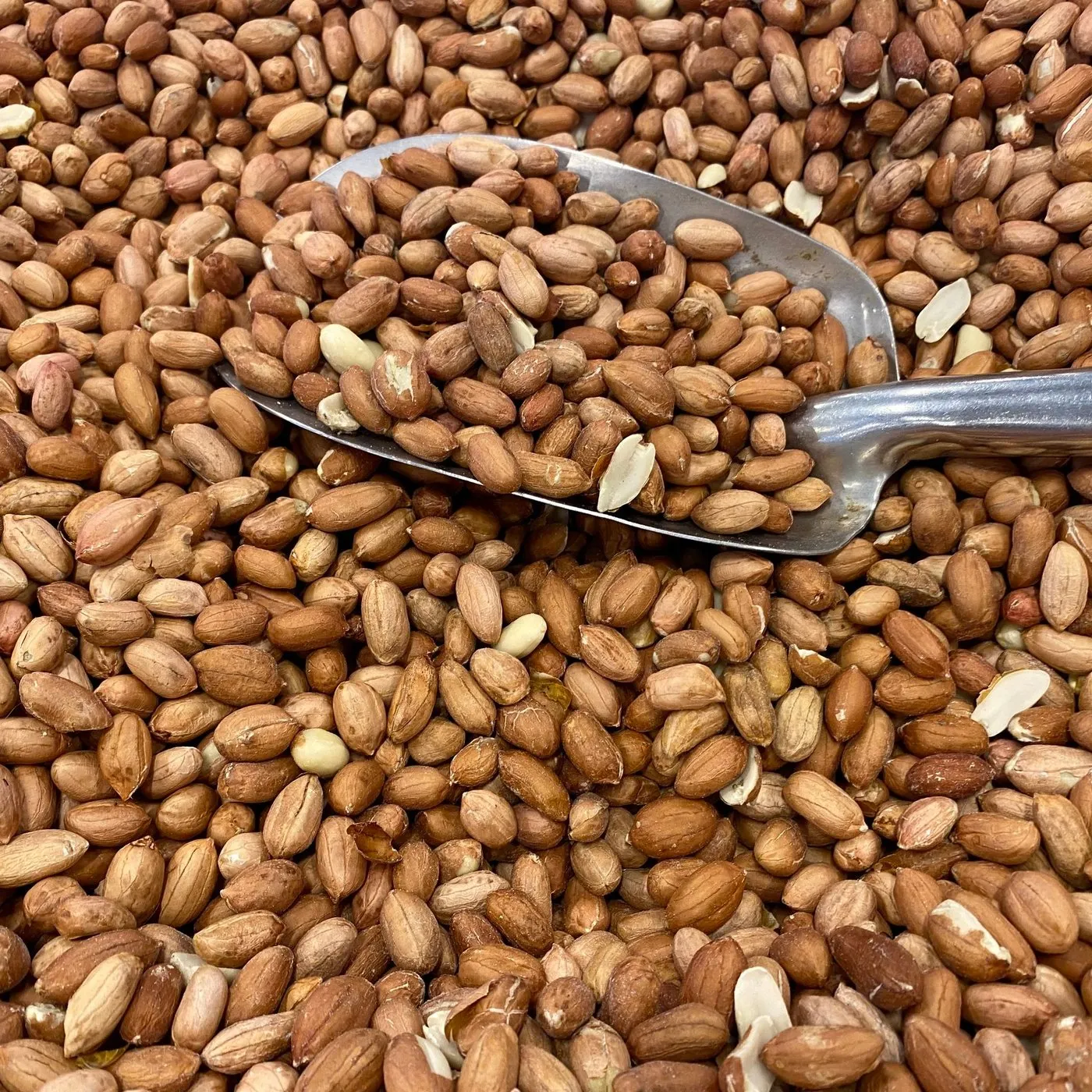 PeanutsA legume, not a tree nut, and one of the most common food allergens.Read the guide
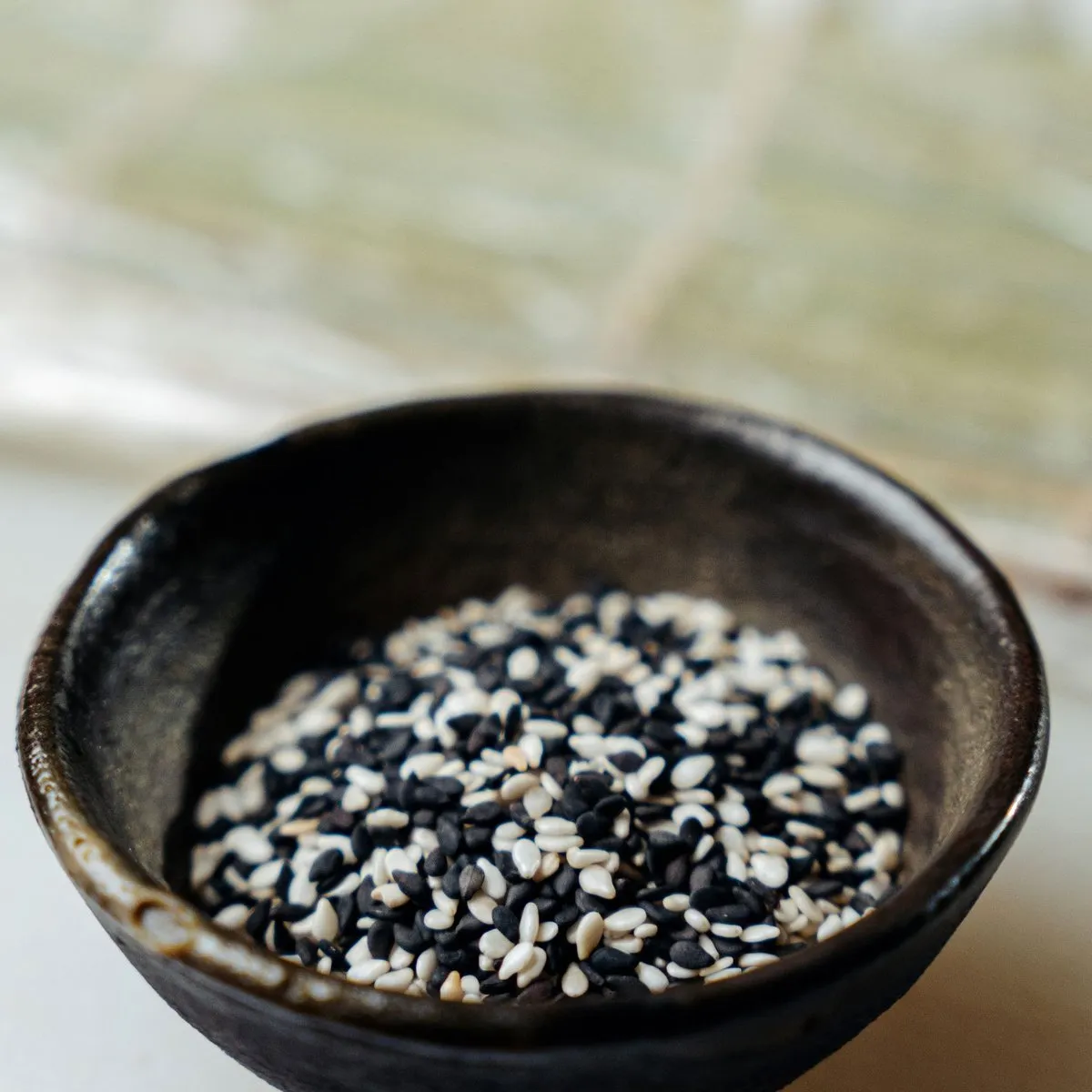 SesameTiny seeds used whole, pressed into oil and ground into a paste.Read the guide
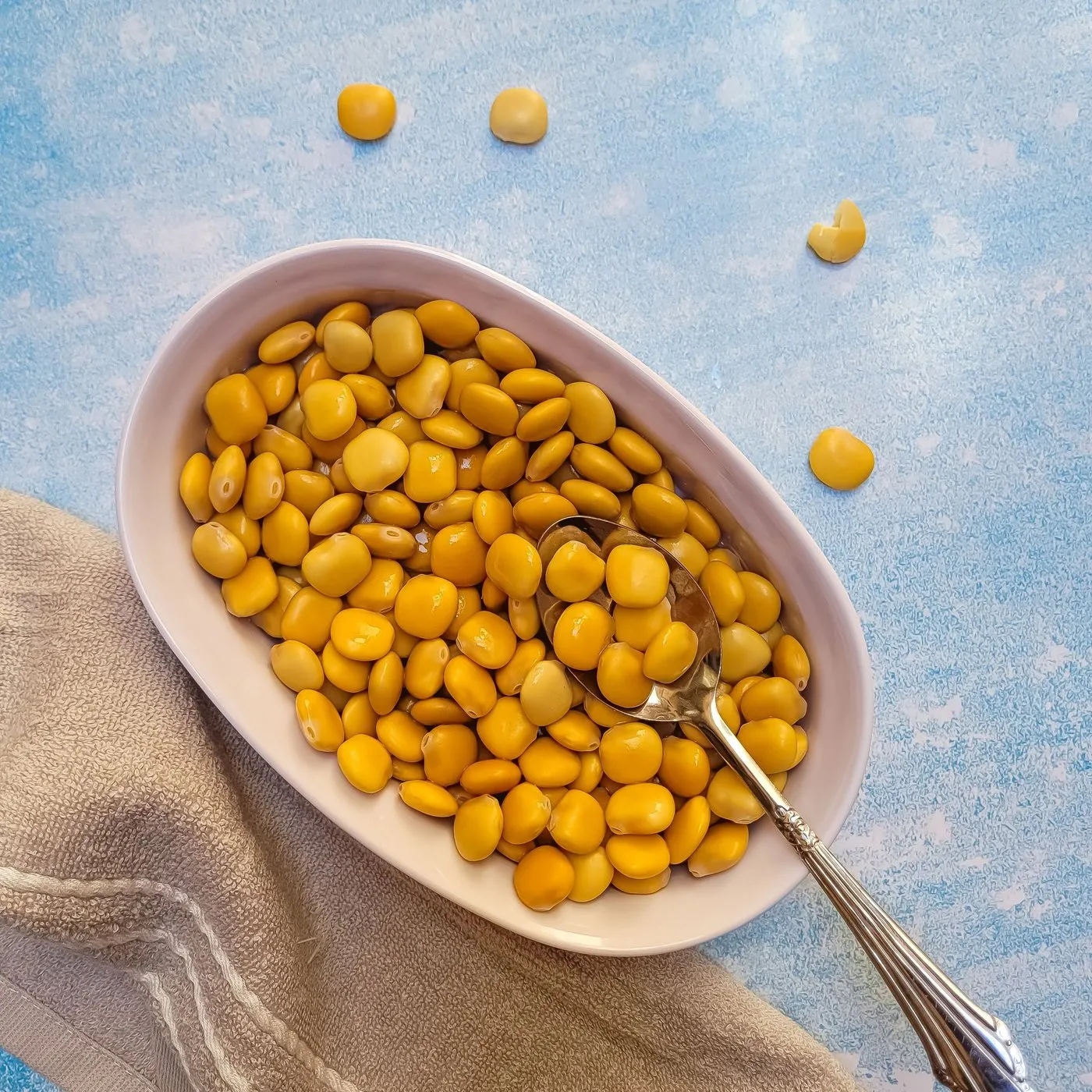 LupinA bean sold as a snack and baked into flour, and a declared allergen in Europe.Read the guide
The EU names eight tree nuts, the US twelve. Almond is on 43,612 products in Open Food Facts; coconut, on 33,931, is a tree nut on no list.
Salmon, tuna and anchovy lead the fish names in Open Food Facts, shrimp the crustaceans and mussel the molluscs. Who must declare which.
Build your profile in about three minutes: the people you check for, what they avoid, what you track.