

Allergens
How often does a food label say “may contain”, allergen by allergen?
Tree nuts are named in a “may contain” line on 117,647 products in Open Food Facts, 2.9 times as many as list them in the recipe.
We’re updating Bravoora, so forms and sign-in are paused for now. Nothing you saved is lost. Please try again later.
Skip to contentWhey, casein, lactose and ghee are all milk. The label names that mean milk, three that only sound like it, and milk allergy vs lactose intolerance.
Milk hides on labels under the names of its parts. The proteins appear as whey, casein and caseinate; the sugar as lactose; the fat as butterfat and ghee. All of them are milk. EU, UK, US and Gulf rules require milk to be made clear, often in brackets or a “Contains” line.
No. A milk allergy is an immune reaction to milk proteins (casein and whey). Even tiny amounts matter, and “may contain milk” warnings are relevant[3].
Lactose intolerance means the body struggles to digest lactose, the milk sugar. Many people tolerate small amounts[5]. Lactose-free milk still contains milk protein, so it does not fit a milk-allergy profile.
Method: the cheese example comes from 318 real product listings from an online supermarket in the Gulf, with the retailer’s own allergen field as the reference (20 September 2026). The counts come from the published dictionary file[6]. A listing can differ from the pack in your hand.
Bravoora looks for milk and its other names in the ingredient list and “may contain” lines, and shows you the words it matched. A milk-allergy profile and a lactose-free profile are treated differently, because they are different needs. The methodology shows how it is tested.
Let Bravoora read the label with you.
Tell it once what matters: your allergens, your diet, the ingredients you watch. Every answer then shows the words it is based on.
This guide covers milk names on prepacked food and drink labels. It does not cover restaurant food or skincare.
Sources were checked on 22 September 2026.
This is general label information, not medical advice. With a diagnosed allergy, follow your clinician’s plan.
Usually not. Lactic acid (E270) is usually made by fermenting sugars from plants such as corn or beet. If milk is used anywhere in a product, milk must still be declared.
Not always. In the US, “non-dairy” creamers can legally contain caseinate, a milk protein. Read the ingredient list and the “Contains” line.
No. Ghee is milk fat and can contain traces of milk protein. It is often tolerated by people with lactose intolerance, which is a different condition.
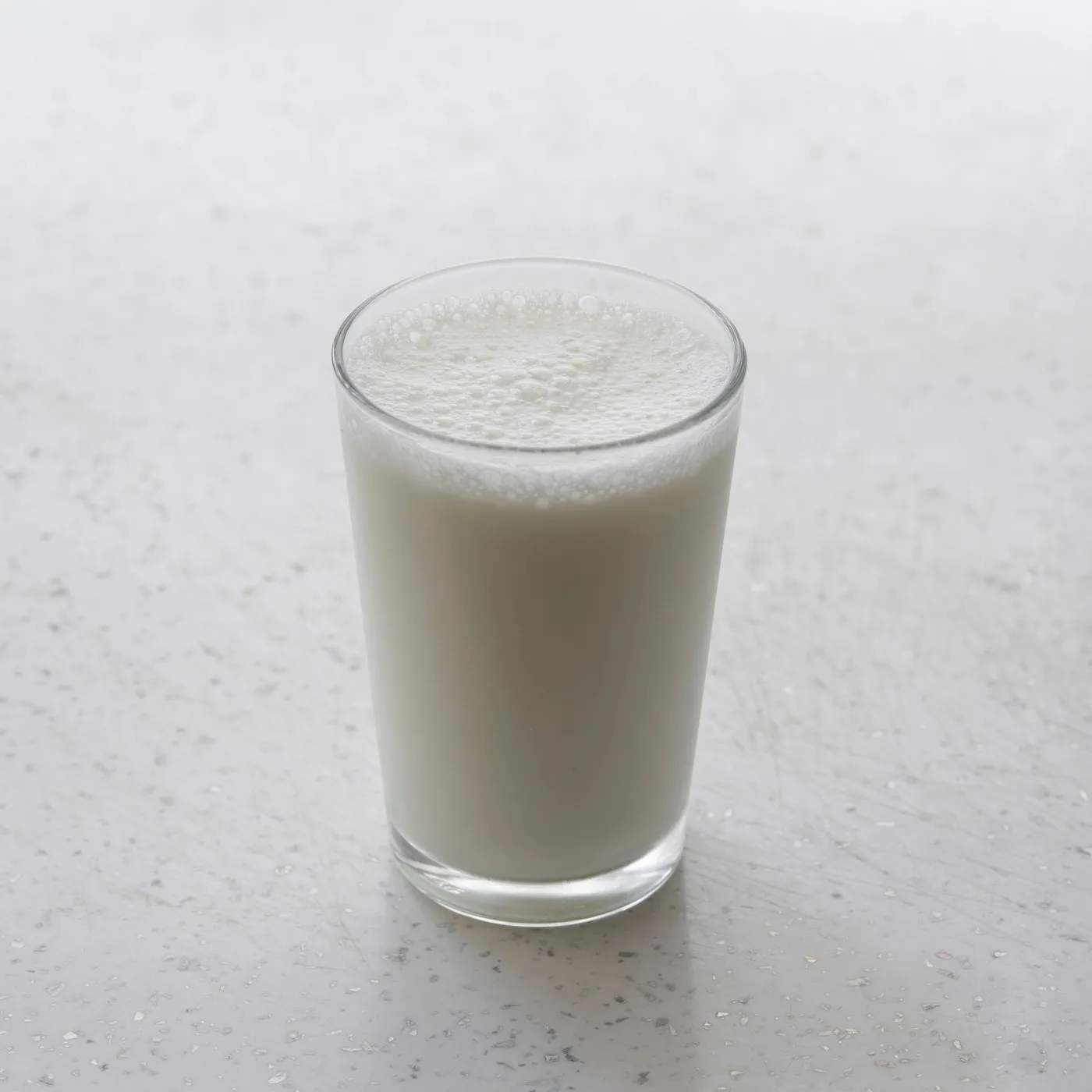 MilkMilk and its proteins hide under many names on ingredient lists.Read the guide
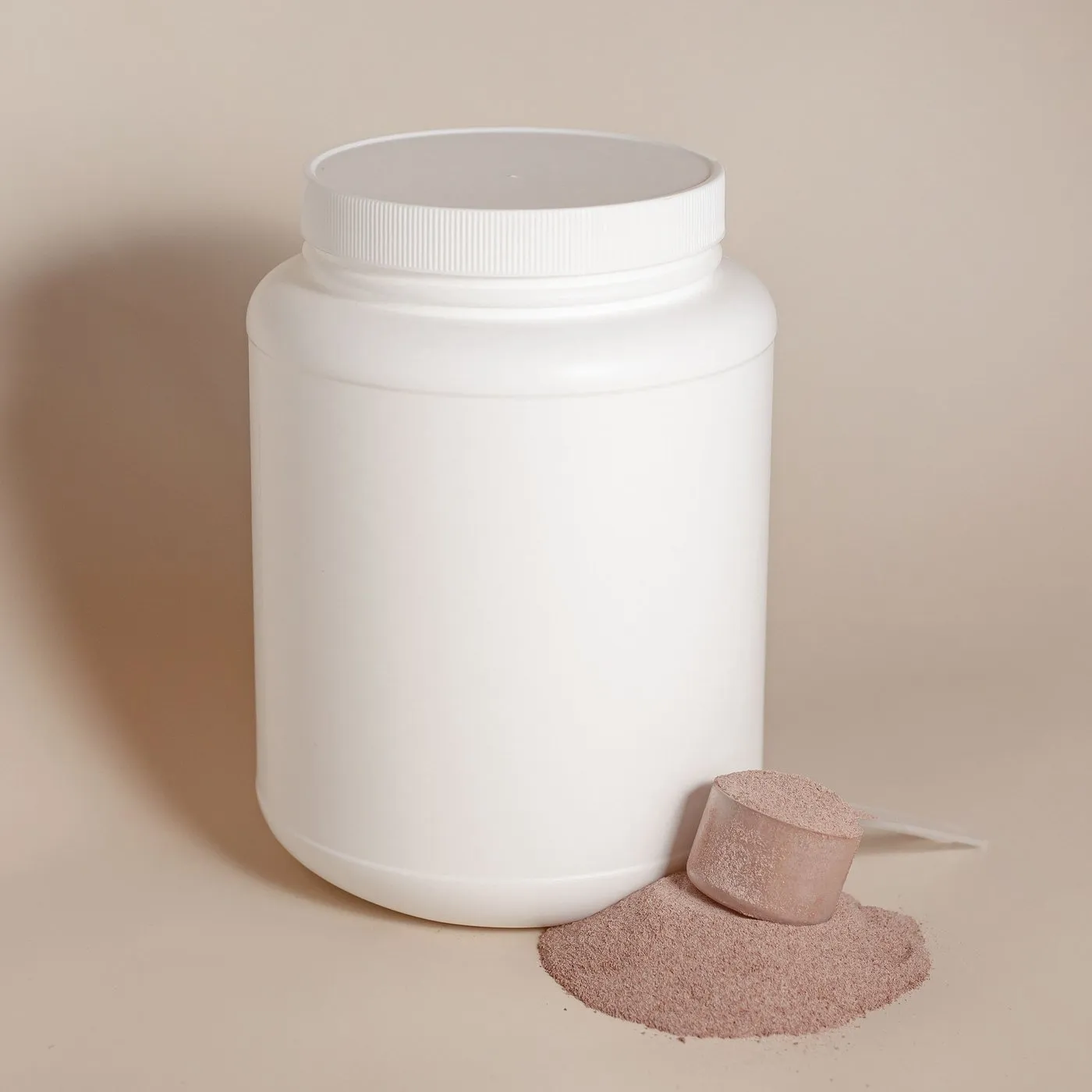 WheyThe milk protein left after cheese-making, under a name that doesn’t say milk.Read the guide
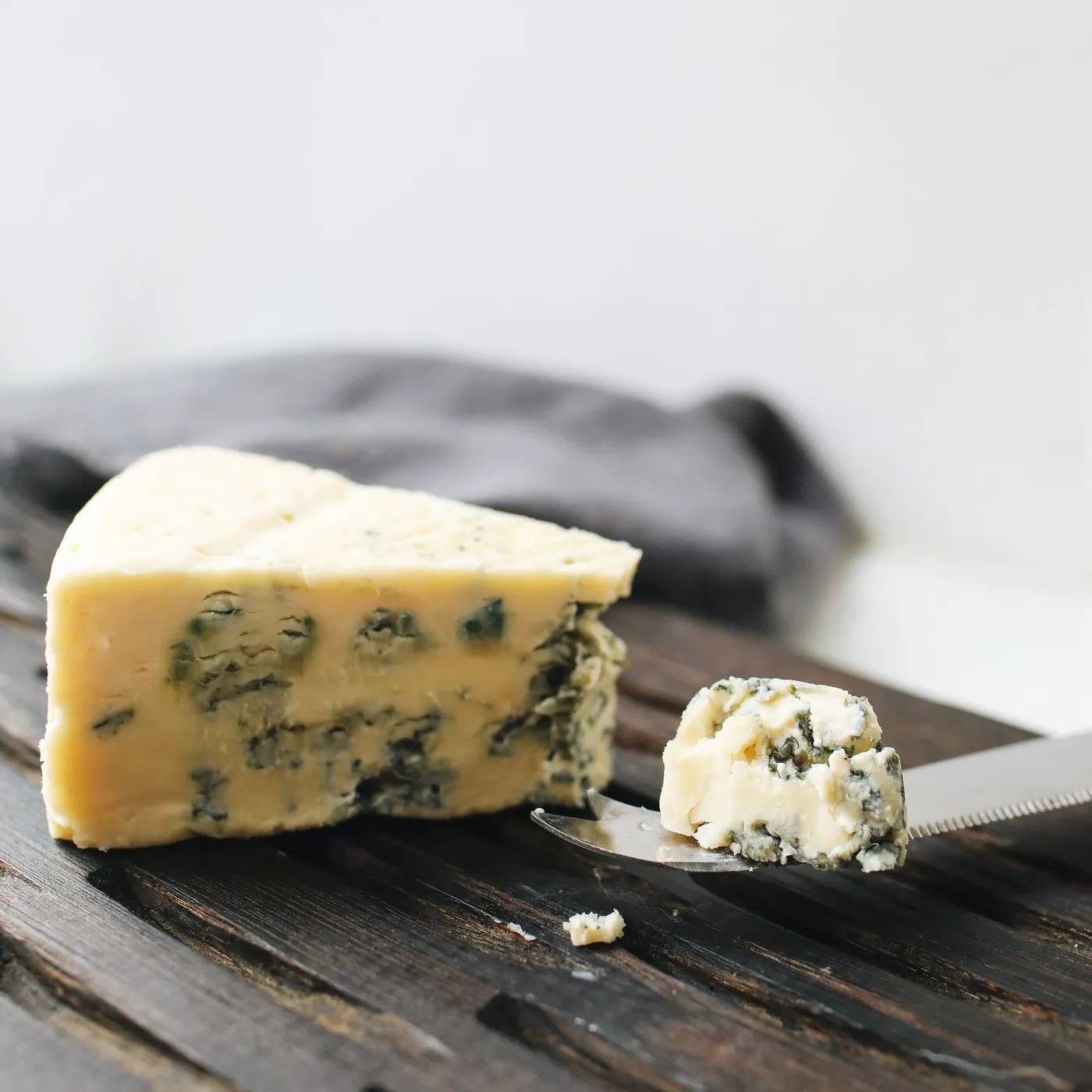 CaseinThe main protein in milk, and the one that hides inside “non-dairy” products.Read the guide
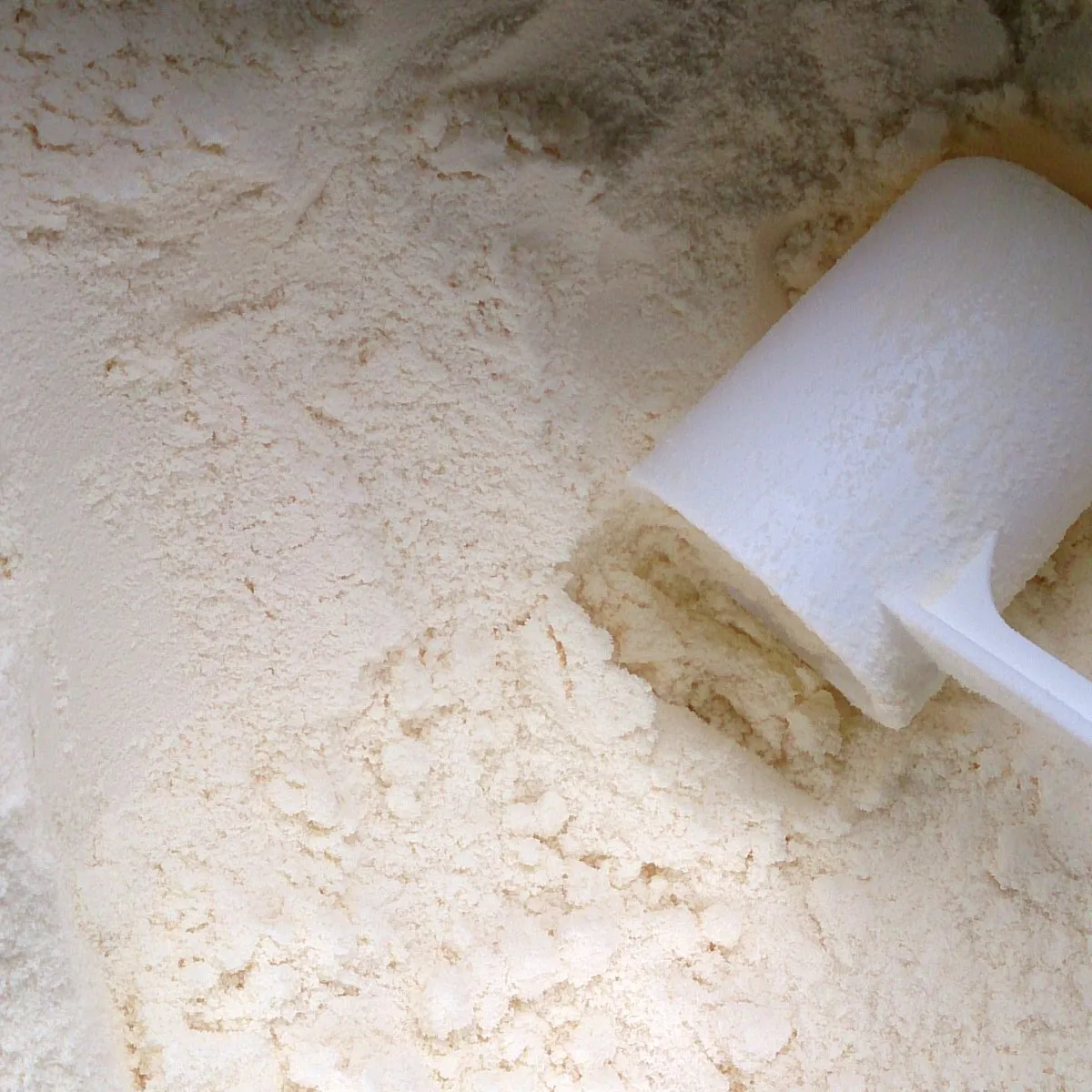 LactoseThe sugar in milk. Avoiding it is not the same as avoiding milk protein.Read the guide
Tree nuts are named in a “may contain” line on 117,647 products in Open Food Facts, 2.9 times as many as list them in the recipe.
The EU names eight tree nuts, the US twelve. Almond is on 43,612 products in Open Food Facts; coconut, on 33,931, is a tree nut on no list.
Build your profile in about three minutes: the people you check for, what they avoid, what you track.