

Skincare labels
Fragrance allergens on skincare labels, by name
Linalool, Limonene, Citral and Geraniol are fragrance allergens an EU label must name. Since 31 July 2026, new products must name 56 more.
We’re updating Bravoora, so forms and sign-in are paused for now. Nothing you saved is lost. Please try again later.
Skip to contentRead the first six ingredients, find “Parfum” and the allergens named with it, then check the CI numbers at the end. Here is why each step works.
INCI is the standard naming system for cosmetic ingredients. The list runs from the highest concentration down to 1%; below that, any order is allowed. “Parfum” stands for a whole fragrance blend, and in the EU named fragrance allergens must be listed above set levels. Colourants usually come last, as CI numbers.
INCI stands for International Nomenclature of Cosmetic Ingredients. It gives each cosmetic ingredient one standard name, so the same product can be labelled the same way in Paris, Sydney and Los Angeles[1]. Plant ingredients use their Latin botanical name, often with the common name in brackets, and water is “Aqua”. US labels use common names for some ingredients, so a US label may say “Water” and “Shea Butter” where an EU label says “Aqua” and “Butyrospermum Parkii Butter”[2].
Latin names matter for allergies: sweet almond oil, a tree nut ingredient, appears as Prunus Amygdalus Dulcis Oil, and oat extract as Avena Sativa[1].
The order of ingredients matters because the list runs from the highest concentration to the lowest, down to 1%. Anything at 1% or less can be listed in any order after that[2][3]. In practice, the first five or six names make up most of the product, and an “active” listed near the end may be present at a very low level, such as niacinamide in a basic cream. The label doesn’t show percentages, so the order is the only clue.
“Parfum”, “Fragrance” or “Aroma” is a single word that can stand for dozens of ingredients. In the EU and UK, certain fragrance allergens must be named individually when they exceed 0.001% in leave-on products or 0.01% in rinse-off products, for example Linalool, Limonene, Citronellol and Geraniol[3].
The EU list has now grown. Since 31 July 2026, new products placed on the EU market must name any of more than 80 fragrance allergens above those levels, up from 26. Products already on sale before that date may stay on shelves until 31 July 2028, so both kinds of label will be seen for a while[4][5].
“Fragrance-free” means no added fragrance. “Unscented” can mean a masking fragrance was added to cover the base smell. Read the list.
CI numbers are Colour Index codes for colourants, and they are usually listed at the end[3]. Some to know: CI 77891 is titanium dioxide, CI 77491 to 77499 are iron oxides, CI 75470 is carmine (from insects), and CI 42090 is Brilliant Blue. A “+/-” or “may contain” before the colours means the shades of a whole make-up line are listed on one label.
“Free from” claims are regulated only in general terms. Claims such as “paraben-free”, “sulfate-free” and “dermatologically tested” are marketing statements. In the EU they must be truthful and not misleading[3], but they don’t change the ingredient list, which is where the answer is. “Hypoallergenic” has no single legal definition.
Method: 888 INCI lists from Open Beauty Facts, read on 20 September 2026[6]. Data: Open Beauty Facts contributors, ODbL. One list can contain more than one of these words. The same analysis added these names to Bravoora’s label dictionary[7].
Skincare packs often carry a second language on the box, but the INCI list stays in Latin letters: INCI has no translated version. That is why the routine above works on any pack, whichever language the rest of the label uses.
Bravoora looks for fragrance and its named allergens, colourants such as carmine (CI 75470) and the Latin names of food allergens, such as Prunus Amygdalus for almond, in the INCI list. It shows you the words it matched and compares them with your profile. The methodology shows how it is tested.
Let Bravoora read the label with you.
Tell it once what matters: your allergens, your diet, the ingredients you watch. Every answer then shows the words it is based on.
This guide covers ingredient lists on cosmetics and skincare. It does not cover medicines, sunscreen protection claims or supplements.
EU and US rules were checked on 22 September 2026.
This is general label information, not medical or dermatological advice.
Yes. Since 31 July 2026, new cosmetics placed on the EU market must name any of more than 80 fragrance allergens present above set levels, up from 26. Products already on the market before that date may be sold until 31 July 2028.
Not always. “Fragrance-free” means no fragrance was added on purpose. Some plant extracts and essential oils naturally contain fragrance allergens such as Linalool or Limonene, so check the list for those names as well.
Denatured ethanol: an alcohol that evaporates quickly and can feel drying. It is different from fatty alcohols such as Cetyl Alcohol and Cetearyl Alcohol, which are waxy and moisturising.
Yes, usually as CI 75470, and rarely as the word “carmine”. It is made from cochineal insects, which matters for vegan profiles.
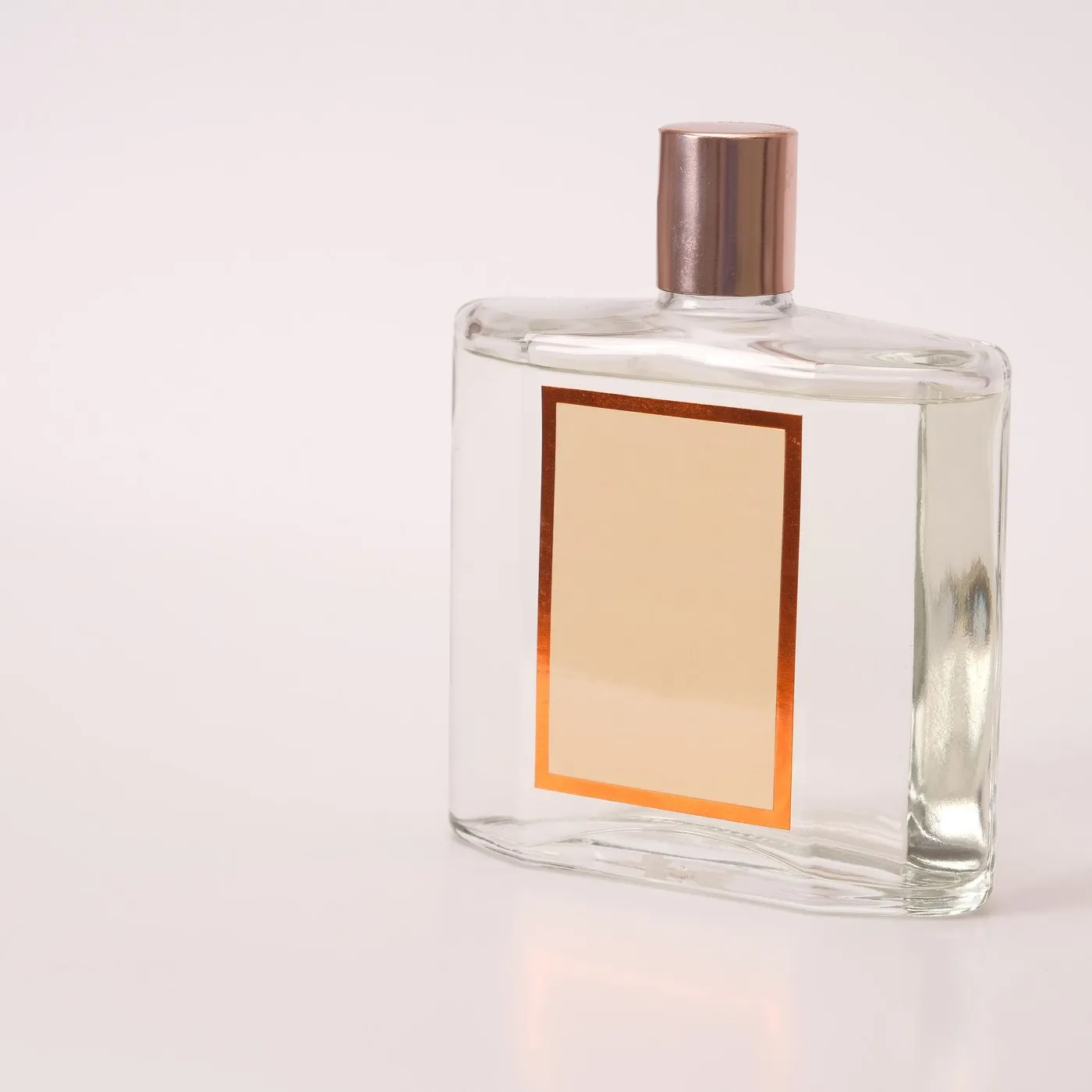 Fragrance (parfum)One word on the label that can stand for many ingredients.Read the guide
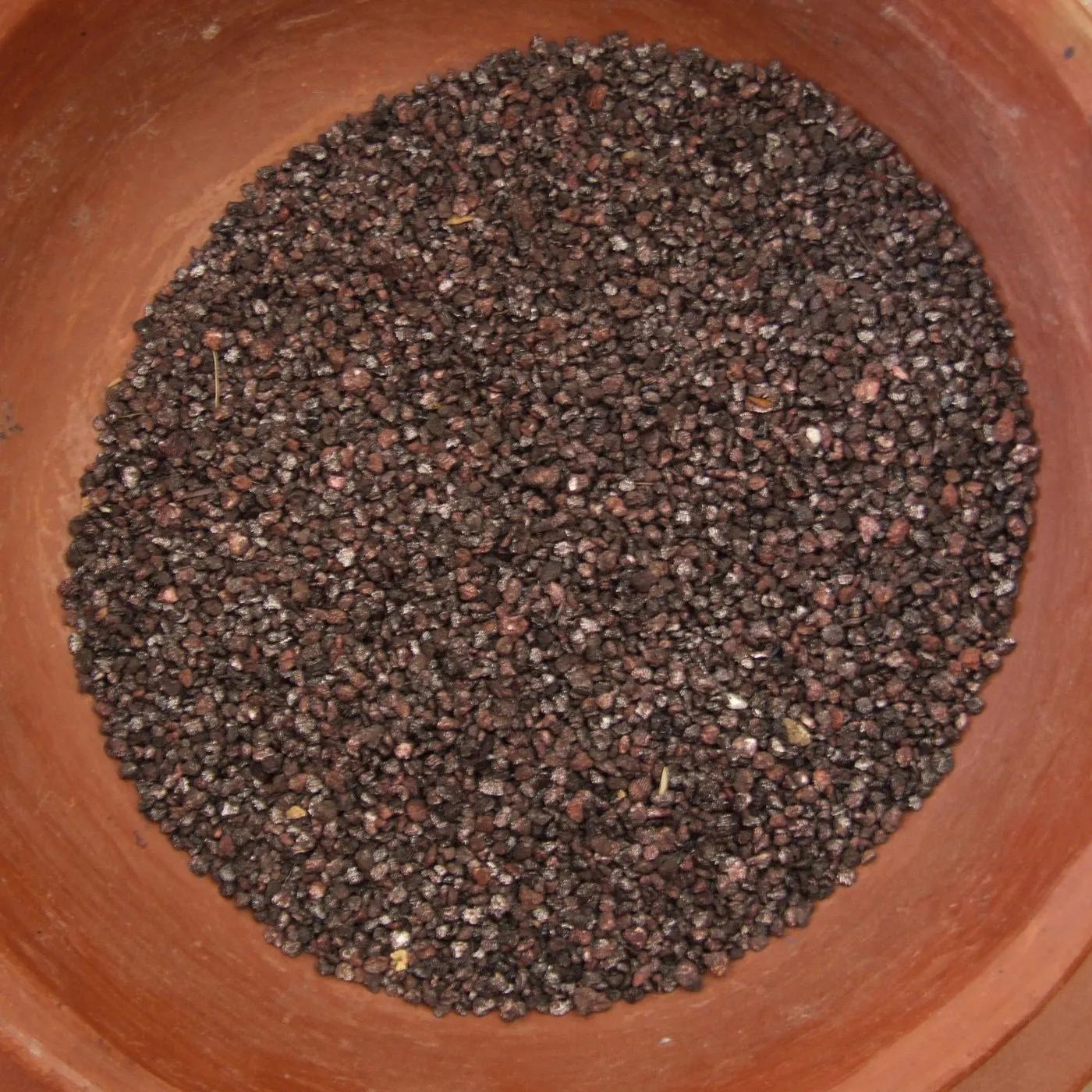 Carmine (E120)A bright red colour made from insects.Read the guide
 NiacinamideA form of vitamin B3 found in many serums and moisturisers.Read the guide
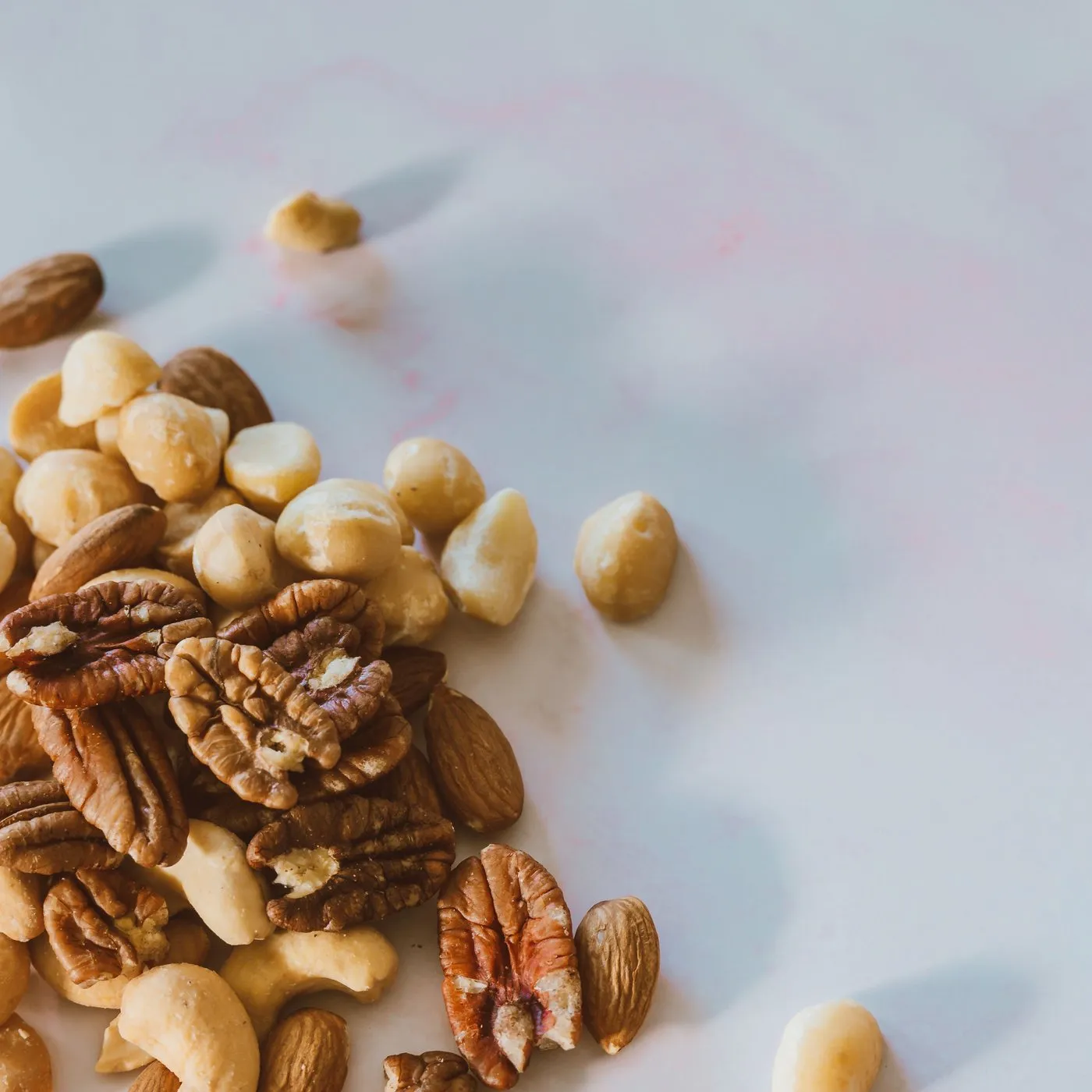 Tree nutsAlmonds, cashews, walnuts and the rest — and the sweets they hide inside.Read the guide
Linalool, Limonene, Citral and Geraniol are fragrance allergens an EU label must name. Since 31 July 2026, new products must name 56 more.
Soya flour has 35.8 g of protein per 100 g, wheat flour 9.6 g and oat flakes 13.3 g. Protein and calories for 17 flours, grains and seeds.
Build your profile in about three minutes: the people you check for, what they avoid, what you track.