

Reading labels
Which food ingredients are not always vegan?
Sugar, on 524,712 products in Open Food Facts, is vegan only for some makes; so are natural flavouring, lactic ferments and artificial flavouring.
We’re updating Bravoora, so forms and sign-in are paused for now. Nothing you saved is lost. Please try again later.
Skip to contentSoya flour has 35.8 g of protein per 100 g, wheat flour 9.6 g and oat flakes 13.3 g. Protein and calories for 17 flours, grains and seeds.
Soya flour has the most protein of the 17 common flours, grains and seeds here: 35.8 g per 100 g, for 446 kcal. Wheat germ has 27.2 g and sunflower seed 21.3 g; wheat flour has 9.6 g for 340 kcal. Sunflower seed carries the most calories, 638 kcal per 100 g.
Soya flour, with 35.8 g per 100 g, then wheat germ (27.2 g) and sunflower seed (21.3 g)[1]. The figures are the ones Bravoora’s dictionary shows on each food’s page, from CIQUAL, the French food composition table[2]. The everyday flours sit far lower: wheat flour 9.6 g, rice flour 7.6 g.
| Food | Energy per 100 g | Protein per 100 g | Protein per 100 kcal | Allergen | Products |
|---|---|---|---|---|---|
| Soya flour | 446 kcal | 35.8 g | 8.0 g | Soy | 14,686 |
| Wheat germ | 368 kcal | 27.2 g | 7.4 g | Gluten | 2,308 |
| Sunflower seed | 638 kcal | 21.3 g | 3.3 g | None listed | 14,460 |
| Flax seed | 491 kcal | 20.2 g | 4.1 g | None listed | 13,386 |
| Poppyseed | 551 kcal | 19.7 g | 3.6 g | None listed | 3,352 |
| Sesame seeds | 587 kcal | 17.6 g | 3.0 g | Sesame | 13,664 |
| Chia seed | 442 kcal | 16.5 g | 3.7 g | None listed | 4,890 |
| Oat bran | 359 kcal | 15.8 g | 4.4 g | Gluten | 1,863 |
| Wheat bran | 279 kcal | 15.4 g | 5.5 g | Gluten | 7,080 |
| Oat flakes | 364 kcal | 13.3 g | 3.7 g | Gluten | 20,229 |
| Quinoa | 354 kcal | 13.2 g | 3.7 g | None listed | 7,892 |
| Buckwheat flour | 348 kcal | 11.5 g | 3.3 g | None listed | 2,702 |
| Wheat flour | 340 kcal | 9.6 g | 2.8 g | Gluten | 211,706 |
| Corn | 346 kcal | 8.1 g | 2.3 g | None listed | 69,336 |
| Rice flour | 355 kcal | 7.6 g | 2.1 g | None listed | 43,695 |
| Corn flour | 361 kcal | 6.2 g | 1.7 g | None listed | 25,190 |
| Chestnut flour | 360 kcal | 5.7 g | 1.6 g | None listed | 277 |
Soya flour, wheat germ and wheat bran: 8.0, 7.4 and 5.5 g of protein for every 100 kcal, worked out from the CIQUAL figures[1]. For a weight goal that is the number to compare, because it says how much protein each calorie brings.
The seeds drop down this list: rich in protein, they are richer still in fat. Sunflower seed has 55.5 g of fat per 100 g and sesame seed 49.7 g, so they bring 3.3 and 3.0 g of protein per 100 kcal, against wheat flour’s 2.8 g and soya flour’s 8.0 g.
Apart from soya flour, at 446 kcal, they sit between 340 and 361 kcal per 100 g; protein is where they differ: soya flour 35.8 g, buckwheat flour 11.5 g, wheat flour 9.6 g, rice flour 7.6 g, corn flour 6.2 g and chestnut flour 5.7 g[1].
For an allergy household the family matters as much as the numbers: rice flour, corn flour, buckwheat flour and chestnut flour carry no listed allergen in Bravoora’s dictionary, while wheat flour is made from a gluten cereal and soya flour is soy[2]. A flour not made from a gluten cereal can still meet wheat in the mill, so the “may contain” line counts too; the gluten guide explains the gluten-free claim.
Multiply by the grams you eat and divide by 100. A 40 g bowl of oat flakes is 364 × 40 ÷ 100, about 146 kcal, with 5.3 g of protein[1]. Seeds are worth weighing too: at 442 to 638 kcal per 100 g, a small handful adds up.
The CIQUAL figures are for the food itself, raw or as sold dry; cooking with water changes the weight, not the protein in what you measured.
Method: energy, protein, fat and fibre per 100 g from CIQUAL (CALNUT 2020 edition), as Bravoora’s dictionary shows them on each food’s page, read on 13 October 2026[1][2]; protein per 100 kcal worked out from those two figures; product counts from the Open Food Facts export[3]. Contains information from Open Food Facts, which is made available here under the Open Database License (ODbL)[4].
Bravoora’s daily log adds up calories, protein, carbohydrate and fat for what you eat, from the pack you scan or the food you type, against a daily goal. The same scan checks the allergens and diets in your profile, so Sam’s high-protein breakfast and Emma’s gluten-free flour are read from one label. The methodology shows how it is tested.
Let Bravoora read the label with you.
Tell it once what matters: your allergens, your diet, the ingredients you watch. Every answer then shows the words it is based on.
This article compares the figures of one table, CIQUAL, for the food itself. A pack’s own nutrition panel describes that product and is the one to log.
Seventeen foods were chosen as the common flours, grains, brans and seeds in Bravoora’s dictionary that carry CIQUAL figures. Sources were checked on the dates listed below.
This is general food information, not dietary or medical advice. A dietitian can set the protein and calorie goals that fit you.
Of the flours here, soya flour, with 35.8 g per 100 g. Wheat flour has 9.6 g and rice flour 7.6 g.
Between 16.5 g and 21.3 g per 100 g for the seeds here, but they carry more fat, so per 100 kcal they give less protein than soya flour, wheat germ or the brans.
About 364 kcal, with 13.3 g of protein, by the CIQUAL table.
Rice flour, corn flour, buckwheat flour, chestnut flour and soya flour, which is soy. Read the “may contain” line too: a flour can meet wheat in the mill.
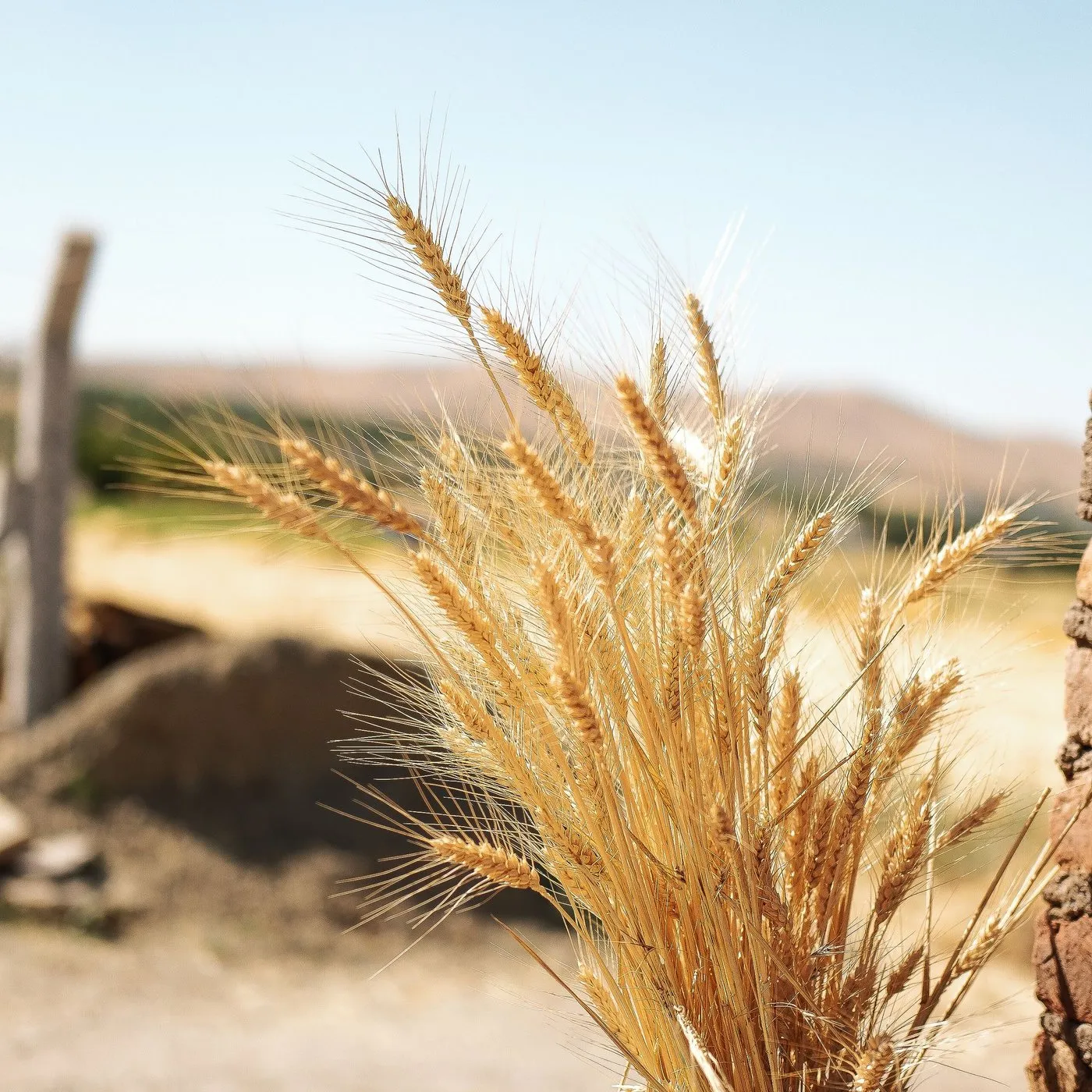 GlutenA protein in wheat, barley and rye, and in foods made from them.Read the guide
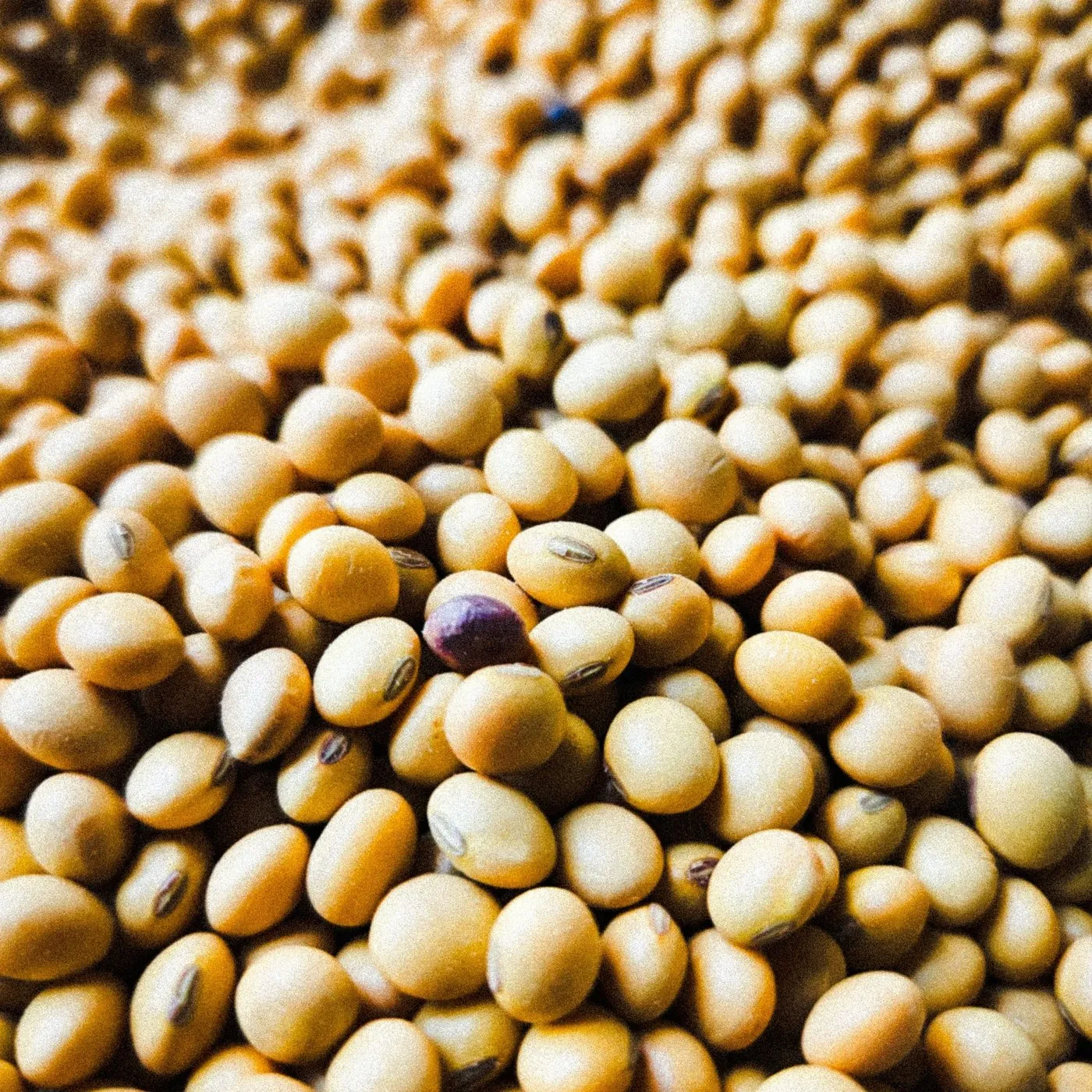 SoyA bean that turns up as protein, oil, sauce and lecithin.Read the guide
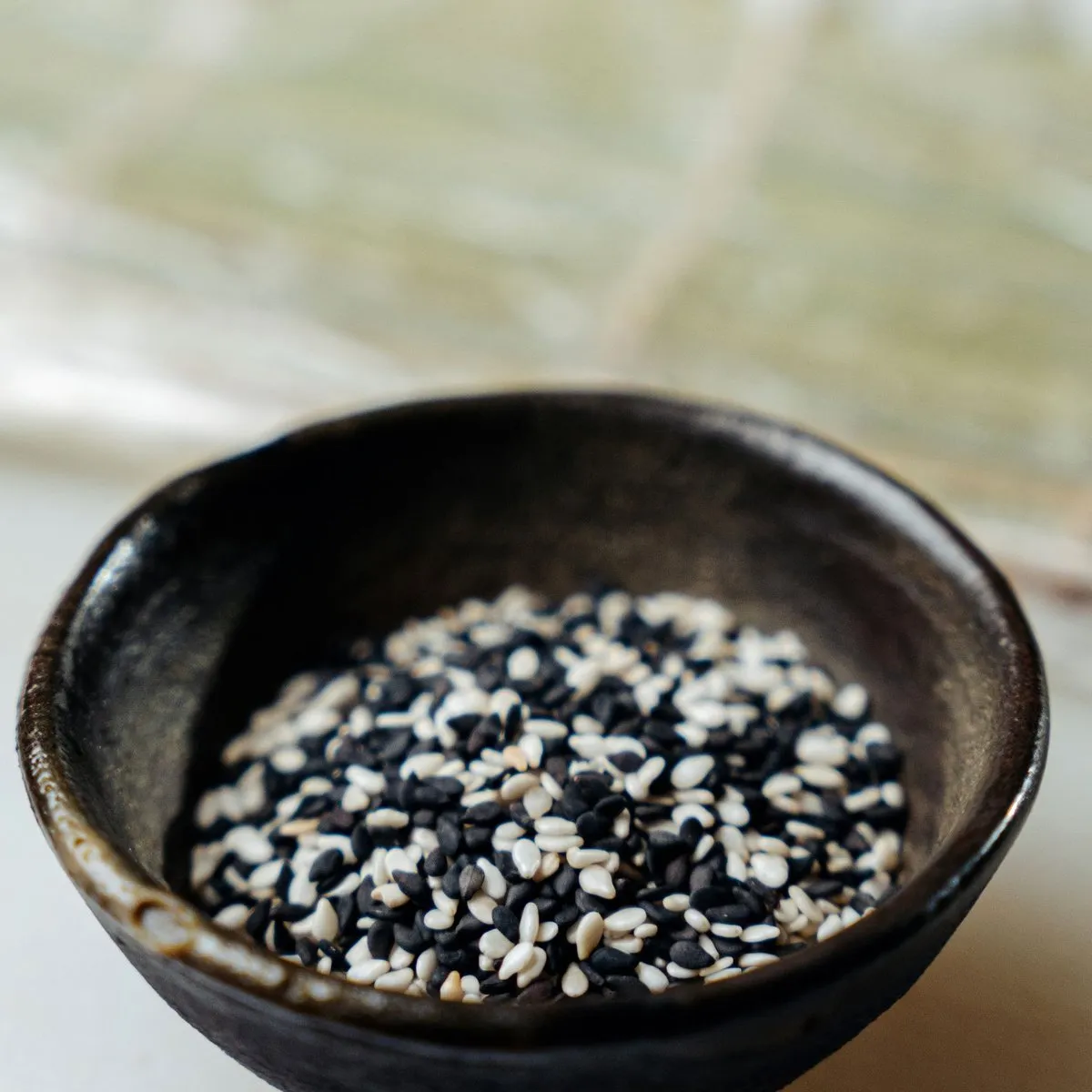 SesameTiny seeds used whole, pressed into oil and ground into a paste.Read the guide
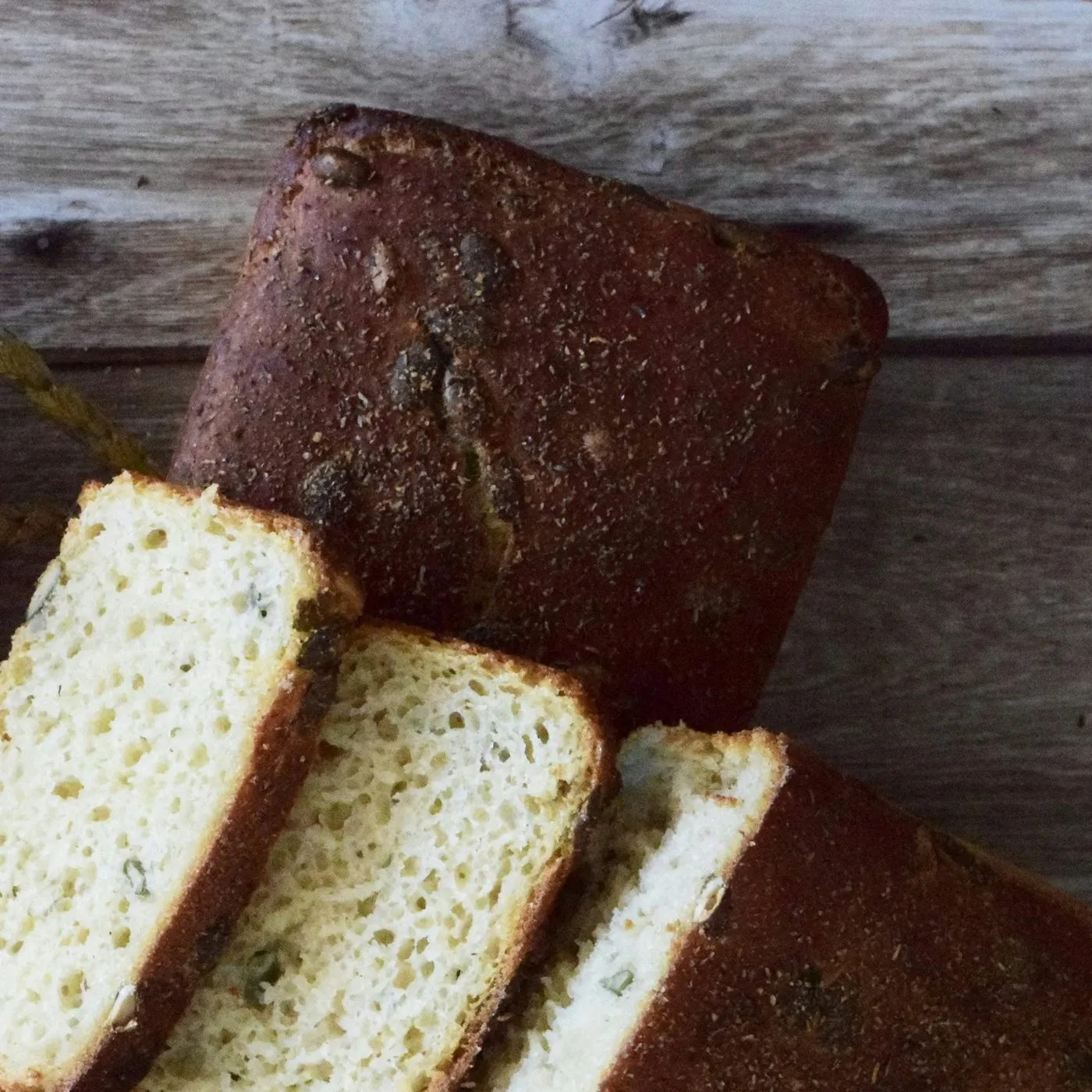 SpeltAn old kind of wheat, often sold as an alternative to wheat. It contains gluten.Read the guide
Sugar, on 524,712 products in Open Food Facts, is vegan only for some makes; so are natural flavouring, lactic ferments and artificial flavouring.
Of the 328 E-numbers in Bravoora’s list, seven always come from an animal or an insect, such as carmine (E120), and 49 more can.
Build your profile in about three minutes: the people you check for, what they avoid, what you track.