

Allergens
How often does a food label say “may contain”, allergen by allergen?
Tree nuts are named in a “may contain” line on 117,647 products in Open Food Facts, 2.9 times as many as list them in the recipe.
We’re updating Bravoora, so forms and sign-in are paused for now. Nothing you saved is lost. Please try again later.
Skip to contentSesame tops burger buns, bagels and crackers and hides in granola bars, dressings and sauces. The foods to check, its other names and who must declare it.
Sesame turns up in everyday food: on burger buns, bagels and multigrain bread, in breadsticks, crackers and granola bars, and in dressings, marinades and sauces made with sesame oil. On a label it can also go by benne, gingelly or tahini. The EU, the UK, the US, Canada and the Gulf all require packaged food to declare sesame.
Baked goods above all, then cereals and bars, dressings and sauces. Sesame tops burger buns and bagels as whole seeds, and goes into dressings, sauces and bars as oil pressed from the seeds or as a paste of ground seeds[1]. Health Canada sorts its sources into foods that contain or often contain sesame and other possible sources, and the list below draws on both[2].
In cosmetics, medicines and supplements. On skincare and haircare, sesame oil is listed by its INCI name, Sesamum Indicum Seed Oil[5], and Health Canada names cosmetics, medicines and pet food among the non-food sources of sesame[2]. In the US, the sesame rule covers dietary supplements as well as food[6], so a capsule or a protein powder deserves the same read as a snack.
Yes, in the EU, the UK, the US and Canada, though not always in the ingredient’s own name: it can sit in brackets or in a “Contains” line. Health Canada lists benne, gingelly, sesamol, Sesamum indicum, sim sim and til among the other names for sesame, and in Canada a name such as benne, gingelly or tahini may not stand on a label without the word sesame[2][7].
A US label names sesame in the ingredient list, in brackets after an ingredient whose name does not say it, or in a “Contains” statement[8]. A spice mix can be listed simply as “spices”, but sesame inside it must still be declared, in a “Contains” statement or in brackets, as in “spices (sesame)”[8].
In the EU and the UK, sesame used as an ingredient must be named in the ingredient list and emphasised, for example in bold, whatever it was mixed into[9][10]. So a pack made under these rules prints the word sesame; the other names matter most on older packs and on cosmetics, which follow rules of their own.
Every major allergen list names sesame, but each market added it at a different time and asks for it in its own way.
| Market | Since | What the label must do |
|---|---|---|
| EU and UK | On the EU list since Directive 2003/89/EC[11]; today Regulation (EU) No 1169/2011, which has applied since 13 December 2014[9] | Name sesame in the ingredient list and emphasise it, for example in bold. The entry covers “sesame seeds and products thereof”, so sesame oil and paste count too[9][10]. |
| United States | 1 January 2023: the ninth major food allergen under the FASTER Act, signed on 23 April 2021[6] | Name sesame in the ingredient list, in brackets where an ingredient’s name does not say it, as in “spices (sesame)”, or in a “Contains” statement, on food and on dietary supplements[6][8]. |
| Canada | 4 August 2012, when the enhanced allergen labelling rules came into force[7] | Name sesame in the ingredient list or in a “Contains” statement. A name such as tahini, benne or gingelly needs the word sesame as well[2][7]. |
| The Gulf (GCC) | One of the 14 allergen groups in the 2013 English text of GSO 9[12]; GSO 9:2022 is the current edition[13] | Declare sesame on the label[12]. |
Because older stock was allowed to stay on sale. The FDA applies its sesame requirements to food from 1 January 2023; products already in interstate commerce before that date did not have to be removed or relabelled, so the FDA says you may still find food that does not list sesame as an allergen[6].
Some makers went the other way. Since 2023 they have added sesame to products that did not contain it before, and labelled it; the FDA has said it does not support that practice[14]. A familiar bun or bar deserves a fresh read when its pack changes.
Method: product counts from the Open Food Facts product export, read on 13 October 2026 for Bravoora’s ingredient dictionary[3]. Contains information from Open Food Facts, which is made available here under the Open Database License (ODbL). Each name was run through the free label checker on its own as an ingredient list, with the rules the checker ships: Bravoora’s ingredient guides and the public dictionary file, version 1.5.1, built 1 October 2026[1][15]. A match means the name is printed, not how much sesame the product contains.
Bravoora looks for sesame and its other names in the ingredient list and in the “may contain” lines, and shows the printed word with its meaning: “benne seeds = sesame”. For Emma, whose profile avoids sesame, a name in the list gives “Not for Emma”; a name only in a warning line gives “Heads up”. A plate is different, because it carries no label: for a chicken burger on a sesame seed bun the answer is Heads up, with the line “the sesame seed bun is sesame, ask for a plain bun”. The methodology shows how it is tested.
The same rules run in the free label checker, and its public dictionary is published as open data[15].
Let Bravoora read the label with you.
Tell it once what matters: your allergens, your diet, the ingredients you watch. Every answer then shows the words it is based on.
This guide covers sesame on prepacked food labels in the EU, the UK, the US, Canada and the Gulf, with a note on cosmetics, medicines and supplements. It does not cover restaurant menus or loose food.
Sources were checked on 10 and 13 October 2026; each shows its own date. The Gulf list is quoted from the English text of GSO 9/2013; GSO 9:2022 is the current edition and the place to check for any change since 2013[12][13].
This is general label information, not medical advice. With a diagnosed allergy, follow your clinician’s plan.
Many do: sesame seeds are a common topping on burger buns and bagels, and Health Canada lists hamburger buns among the foods that often contain sesame. A bun without seeds on top can still list sesame or carry a “may contain” line, so read the pack.
Yes. The EU and UK entry covers sesame seeds and products made from them, and Health Canada lists sesame oil among the foods that contain sesame. On skincare it is printed Sesamum Indicum Seed Oil.
A US label may group a spice mix under the word “spices”, but sesame inside it must still be declared: in brackets after the word, as in “spices (sesame)”, or in a “Contains” statement.
Yes. Tahini is a paste of ground sesame seeds, so a label that lists tahini lists sesame. In the EU, the UK, the US and Canada the word sesame must also appear, in the ingredient list or in a “Contains” line.
Since sesame became a major allergen in the US in 2023, some makers have added it to products that did not contain it before, and labelled it. The FDA has said it does not support that practice. Re-read a familiar product when its pack changes.
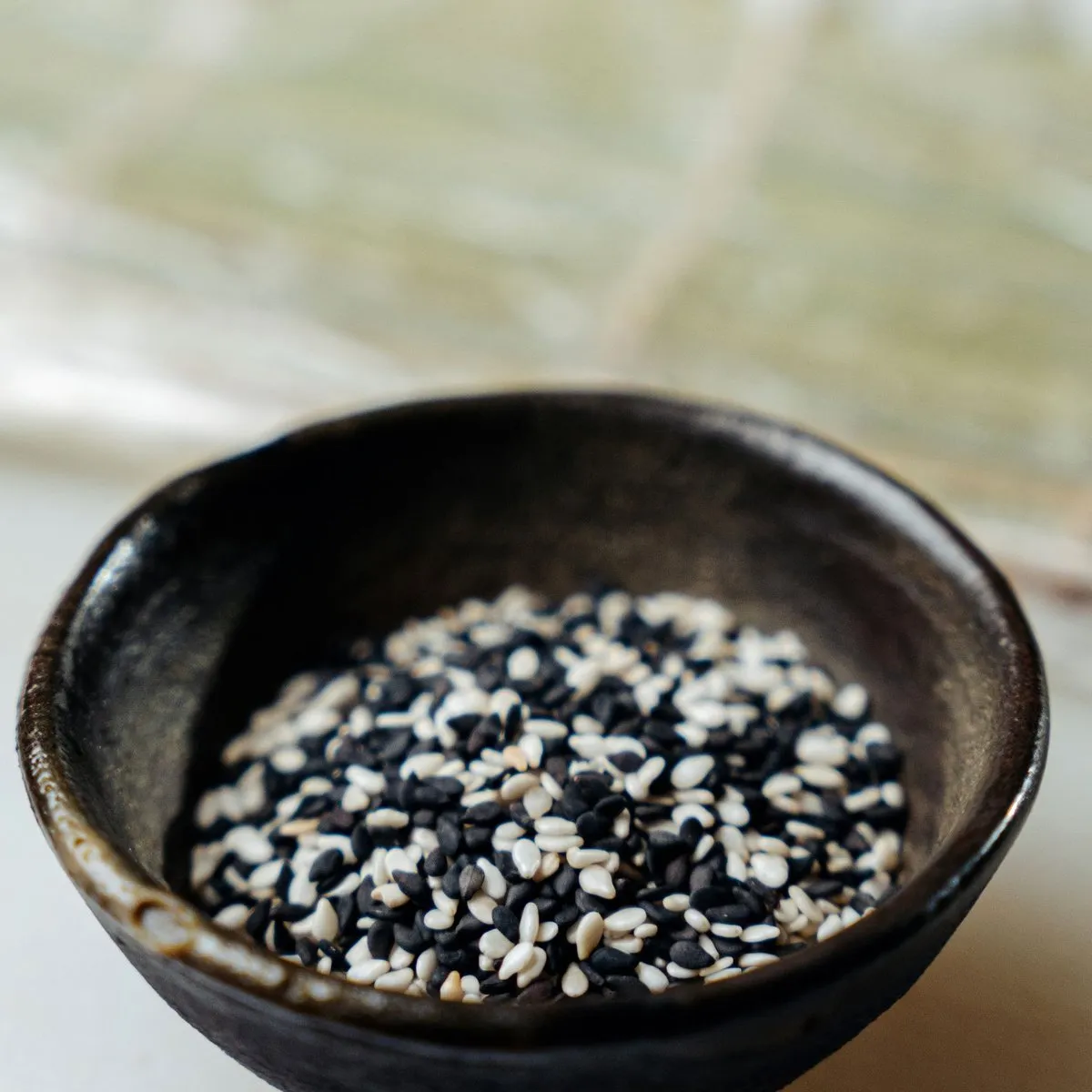 SesameTiny seeds used whole, pressed into oil and ground into a paste.Read the guide
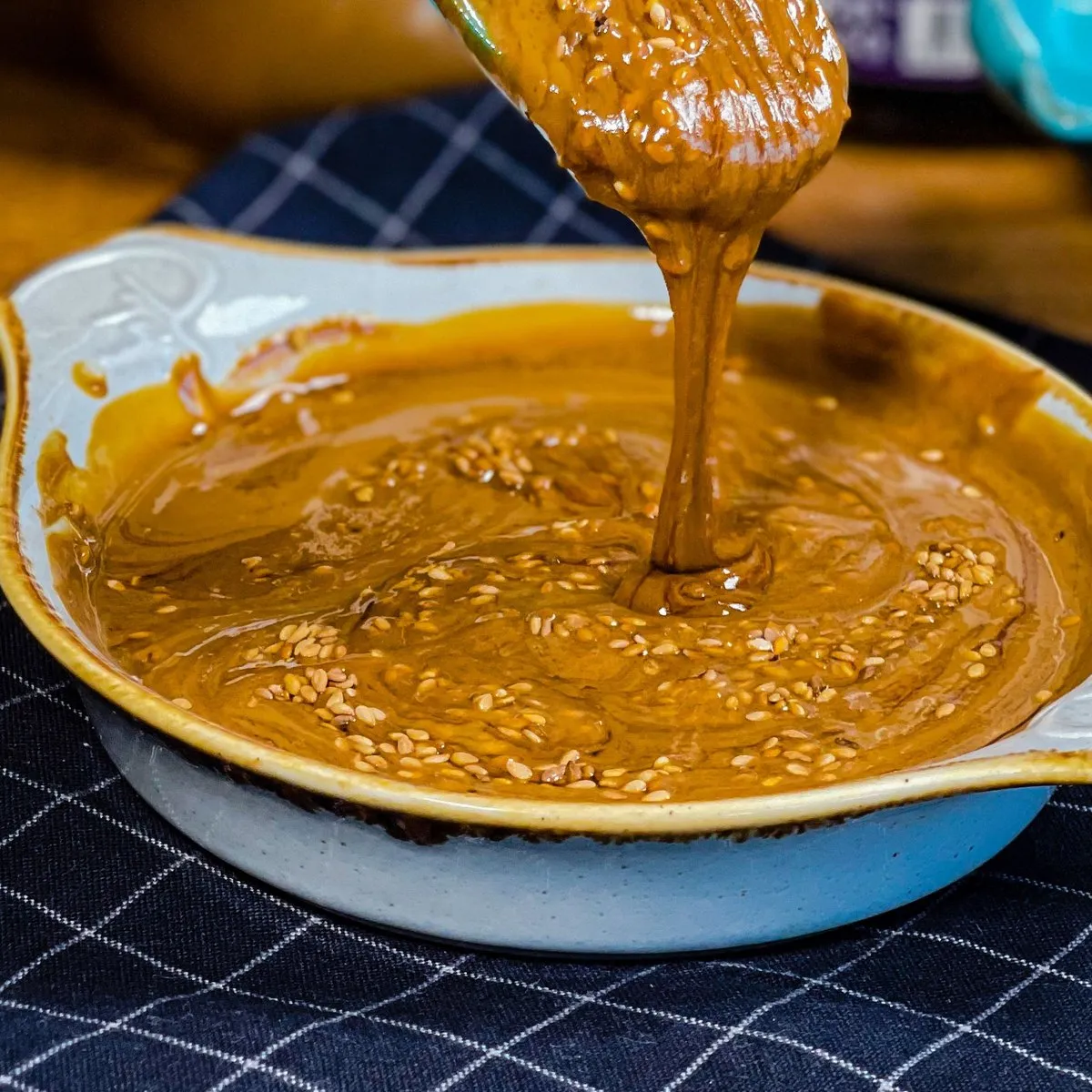 TahiniGround sesame seeds. On a label, tahini means sesame.Read the guide
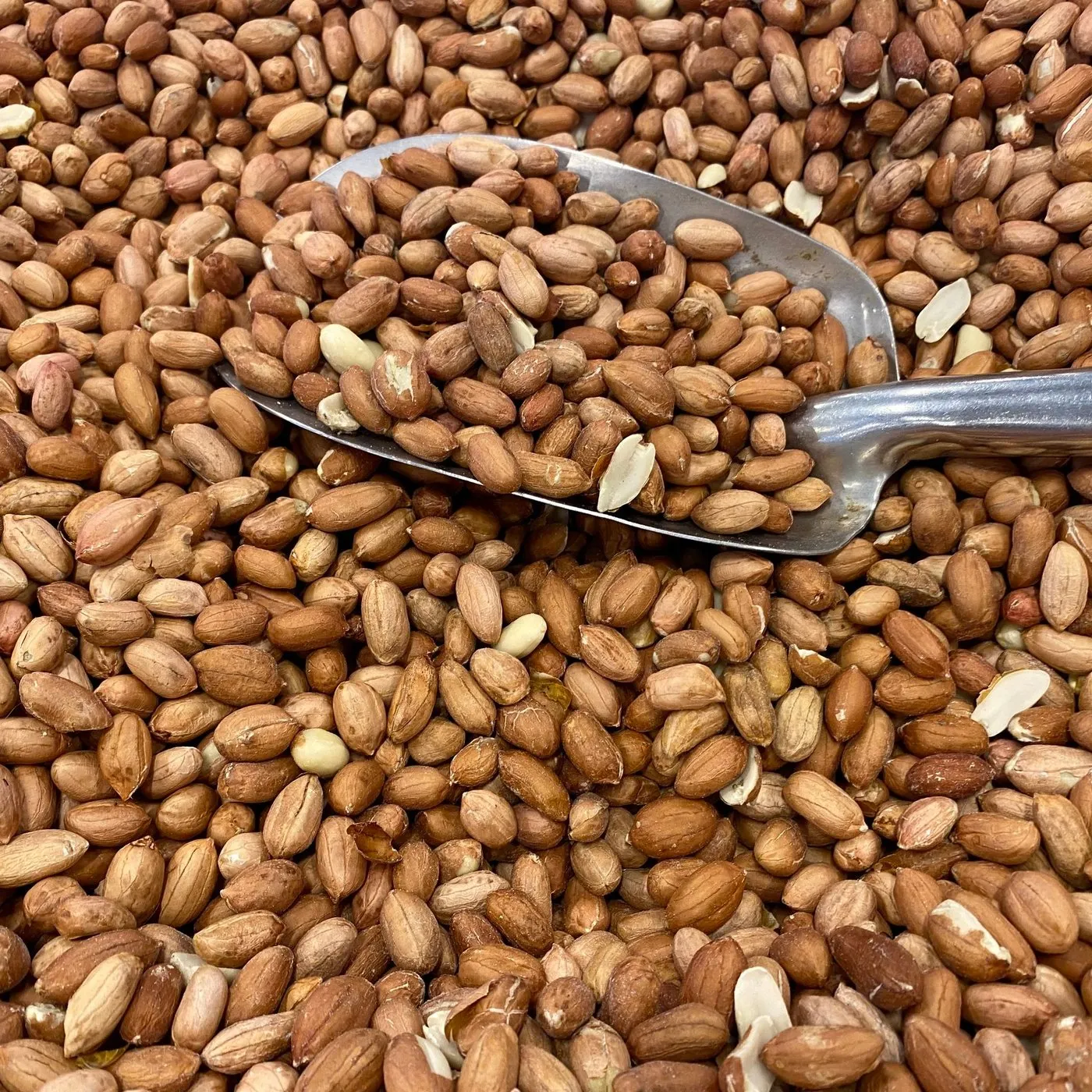 PeanutsA legume, not a tree nut, and one of the most common food allergens.Read the guide
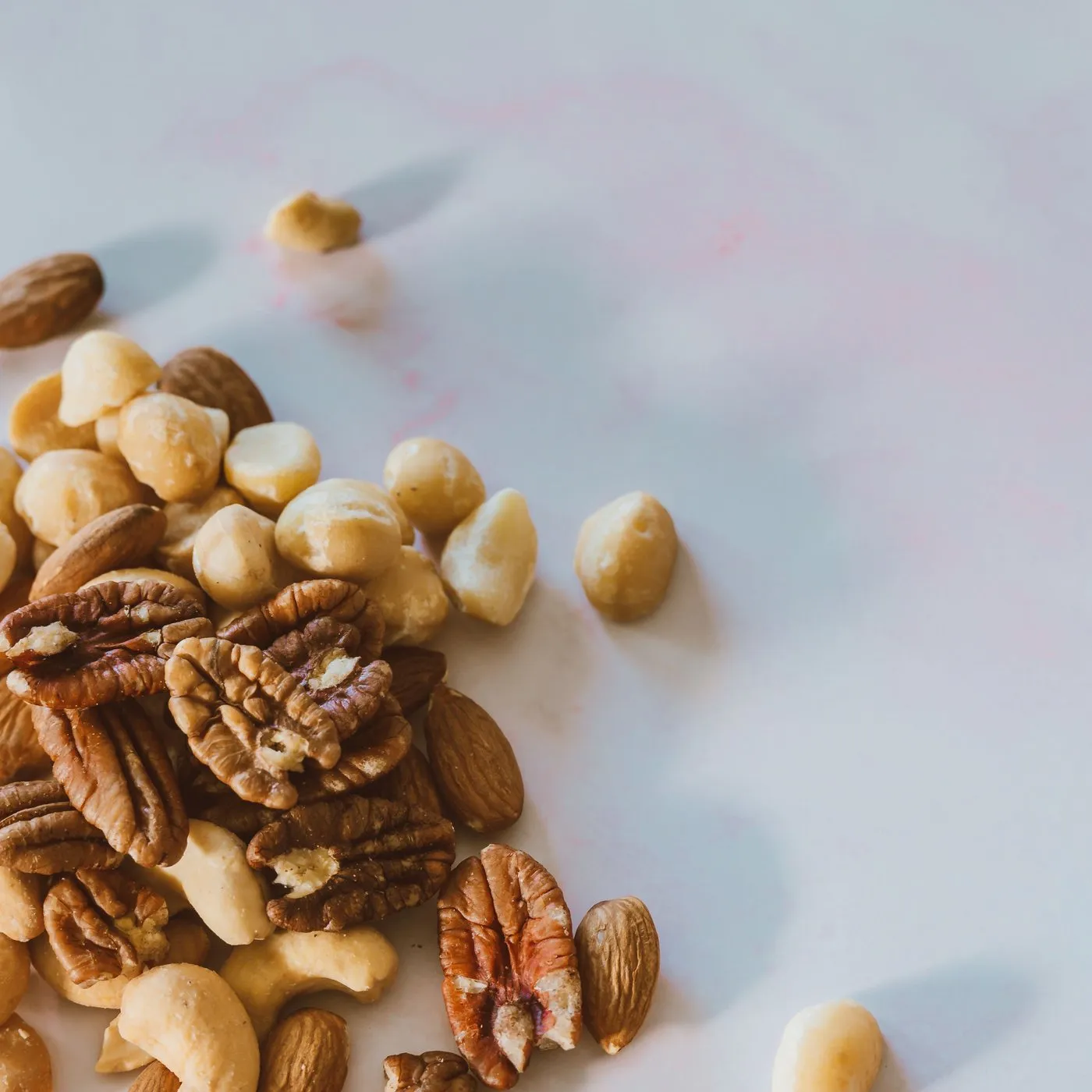 Tree nutsAlmonds, cashews, walnuts and the rest — and the sweets they hide inside.Read the guide
Tree nuts are named in a “may contain” line on 117,647 products in Open Food Facts, 2.9 times as many as list them in the recipe.
The EU names eight tree nuts, the US twelve. Almond is on 43,612 products in Open Food Facts; coconut, on 33,931, is a tree nut on no list.
Build your profile in about three minutes: the people you check for, what they avoid, what you track.