

Allergens
How often does a food label say “may contain”, allergen by allergen?
Tree nuts are named in a “may contain” line on 117,647 products in Open Food Facts, 2.9 times as many as list them in the recipe.
We’re updating Bravoora, so forms and sign-in are paused for now. Nothing you saved is lost. Please try again later.
Skip to contentMilk is on 186,302 products in Open Food Facts. Four of the next nine milk names never say milk: cream, whey, cheese and butter.
Open Food Facts finds a dairy ingredient in 344,002 of the 1,284,867 products whose ingredient list it holds, 27%. Milk itself is the most common, on 186,302 products. Four of the next nine have names without the word milk: cream (83,442 products), whey (73,715), cheese (66,052) and butter (56,364). Milkfat alone is on 37,963.
About one in four. Open Food Facts, an open database of food products filled in from real packs, finds a dairy ingredient in 344,002 of the 1,284,867 products whose ingredient list it holds, 27%[1]. Dairy is its heading for every milk ingredient, so a product counts once, whichever milk name it prints.
Bravoora’s ingredient dictionary has 226 names that contain milk, each with its own page[2]. The ones with a written guide, such as whey and lactose, are counted from the same data.
Milk itself, on 186,302 products, then milk powder (95,164), cream (83,442) and whey (73,715)[1]. A product counts under every milk name it lists, and under a name when it lists a more specific kind of it, so the counts overlap: milk powder’s 95,164 include the 64,031 products that list skimmed milk powder.
| Name | Products | Most often in | “Milk” in the name? |
|---|---|---|---|
| Milk | 186,302 | Cheese | Yes |
| Milk powder | 95,164 | Biscuits and cakes | Yes |
| Cream | 83,442 | Ready meals | No |
| Whey | 73,715 | Biscuits and cakes | No |
| Cheese | 66,052 | Ready meals | No |
| Skimmed milk powder | 64,031 | Biscuits and cakes | Yes |
| Skimmed milk | 56,595 | Milk and yoghurt | Yes |
| Butter | 56,364 | Biscuits and cakes | No |
| Milk proteins | 48,766 | Biscuits and cakes | Yes |
| Milkfat | 37,963 | Biscuits and cakes | Yes |
Because milk goes into food in parts, and each part has its own name: the fat as cream, butter and milkfat, the protein as whey and casein, the sugar as lactose, and foods made from milk, such as cheese and yogurt. All of them are milk on an allergen label, which is why Bravoora’s milk guide lists names that never say milk[3].
The law asks for the allergen to be made plain wherever it hides. In the EU and the UK, an allergen used as an ingredient must be named in the ingredient list in a way that refers to it, as in “whey (milk)”, and emphasised, for example in bold[4]. In the US, milk must be named either in the ingredient list or in a “Contains” statement under it[5].
So the word to find is not always milk. The 12 hidden names for milk cover the rarer ones; this ranking shows which of them you will meet most.
Cheddar, buttermilk and whey protein lean American, butterfat and lactose French, and yogurt and whole milk powder German[1]. Of every product with a dairy ingredient, 35% are recorded as sold in the US, 31% in France and 9% in Germany. For Cheddar the US share is 77%, for butterfat the French share is 53%, and for yogurt the German share is 27%.
A name is the same ingredient in every language: Open Food Facts files a French “matière grasse lactique” and a German “Milchfett” under milkfat, so milkfat counts 37,963 products in all[6].
Method: product counts from the Open Food Facts export of 4,535,553 products, 1,284,867 of them with an ingredient list, read on 13 October 2026[1]; names and families from Bravoora’s dictionary[2]. A product counts under a name when its list names it or a more specific kind of it, in any language, so the counts overlap and do not add up. Countries are where a product is recorded as sold. Contains information from Open Food Facts, which is made available here under the Open Database License (ODbL)[7].
Bravoora reads milk names in the ingredient list and in the “may contain” line, all ten in the table among them, and shows the printed word with its meaning: “milkfat = milk”. For Leo, whose profile avoids milk, a name in the list gives “Not for Leo”, and a name only in the “may contain” line gives “Heads up”. The methodology shows how it is tested.
Let Bravoora read the label with you.
Tell it once what matters: your allergens, your diet, the ingredients you watch. Every answer then shows the words it is based on.
This article ranks milk ingredients by how many products in Open Food Facts list them. Open Food Facts is filled in by its contributors from real packs, so it covers the products in it, not every product on sale, and a count is not a market share.
Rules covered: the EU and UK emphasis rule and the US “Contains” rule. Sources were checked on 13 October 2026, and the data was read the same day.
This is general label information, not medical advice. With a diagnosed allergy, follow your clinician’s plan.
Open Food Facts finds one in 344,002 of the 1,284,867 products whose ingredient list it holds, 27%, or about one in four.
Both are the fat of milk, and both mean milk on an allergen label. Open Food Facts files butterfat under milkfat: milkfat is on 37,963 products, butterfat on 22,742.
Yes. Whey is the liquid left after cheese-making, and its proteins are milk proteins, so it contains milk. Open Food Facts lists whey on 73,715 products, more than cheese (66,052).
No. A lactose-free product can still contain milk protein, so it does not fit a milk-allergy profile. Lactose is the milk sugar, a different thing from the proteins an allergy reacts to.
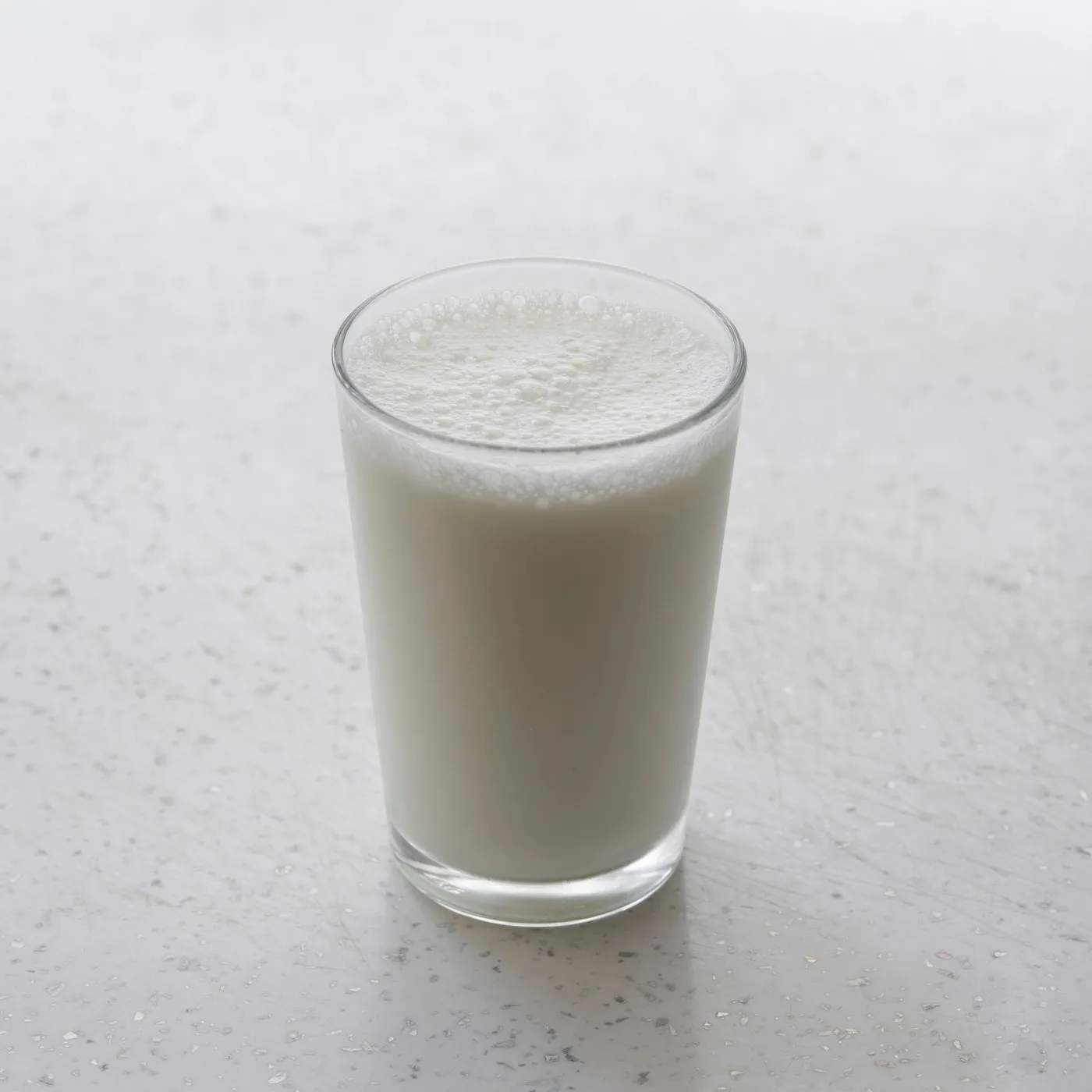 MilkMilk and its proteins hide under many names on ingredient lists.Read the guide
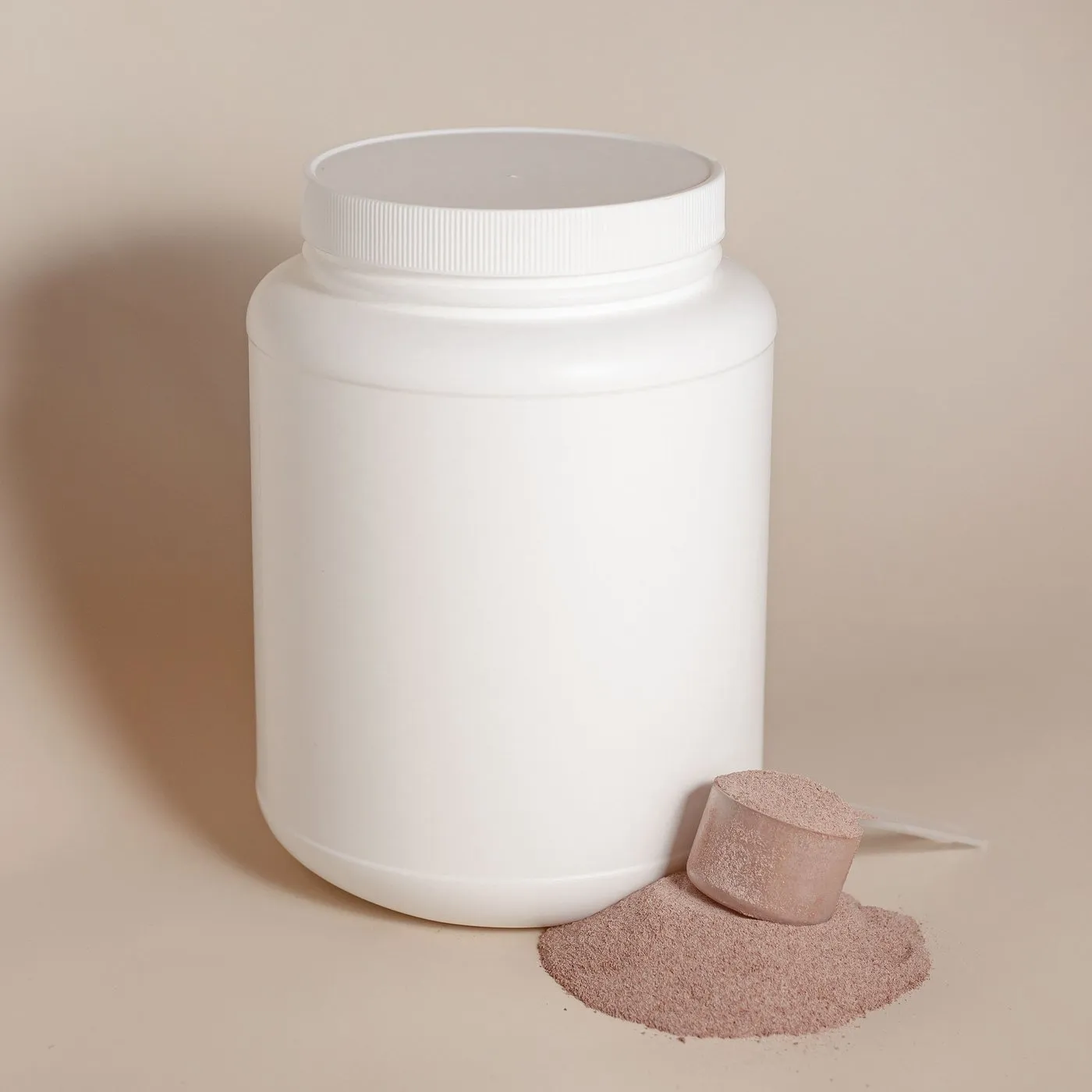 WheyThe milk protein left after cheese-making, under a name that doesn’t say milk.Read the guide
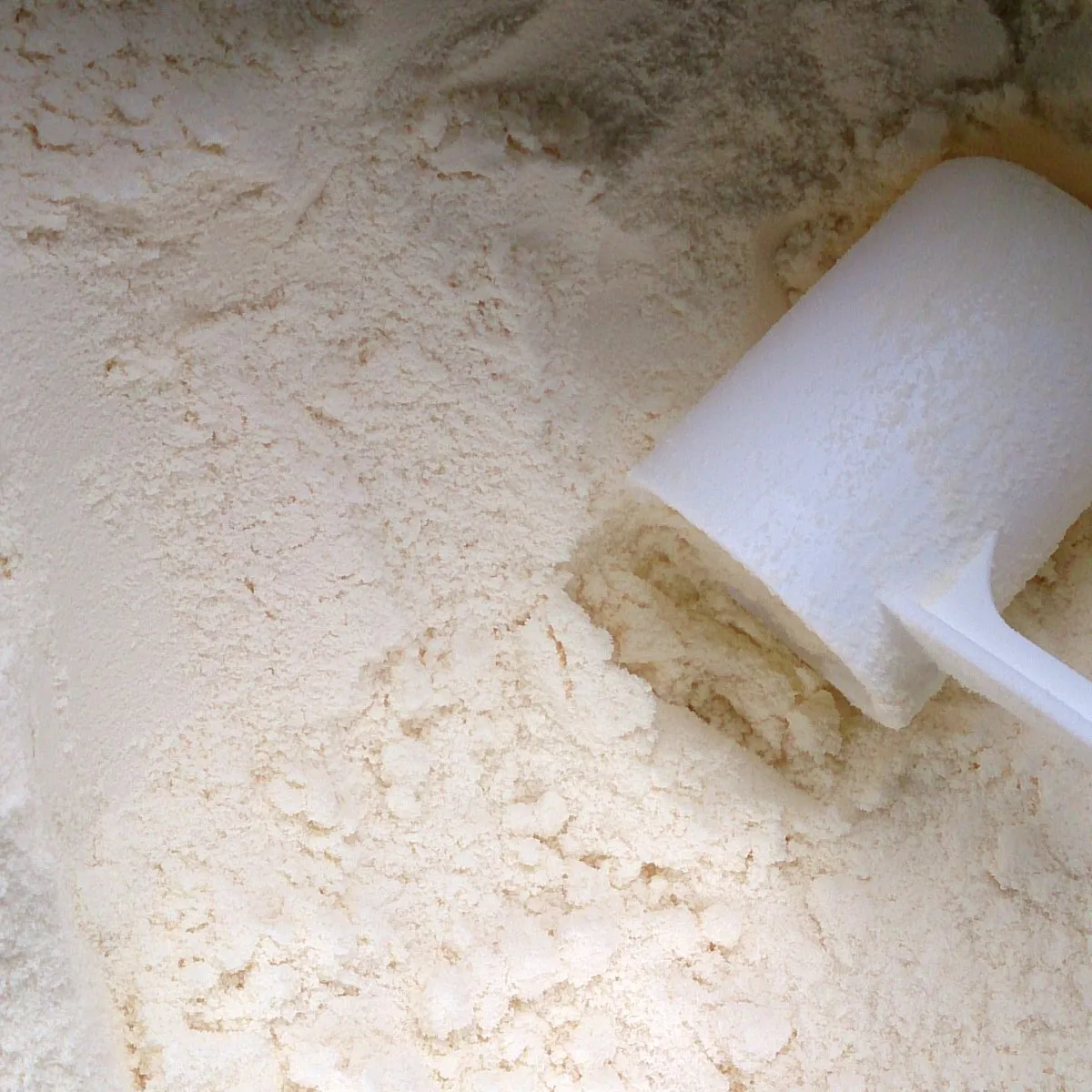 LactoseThe sugar in milk. Avoiding it is not the same as avoiding milk protein.Read the guide
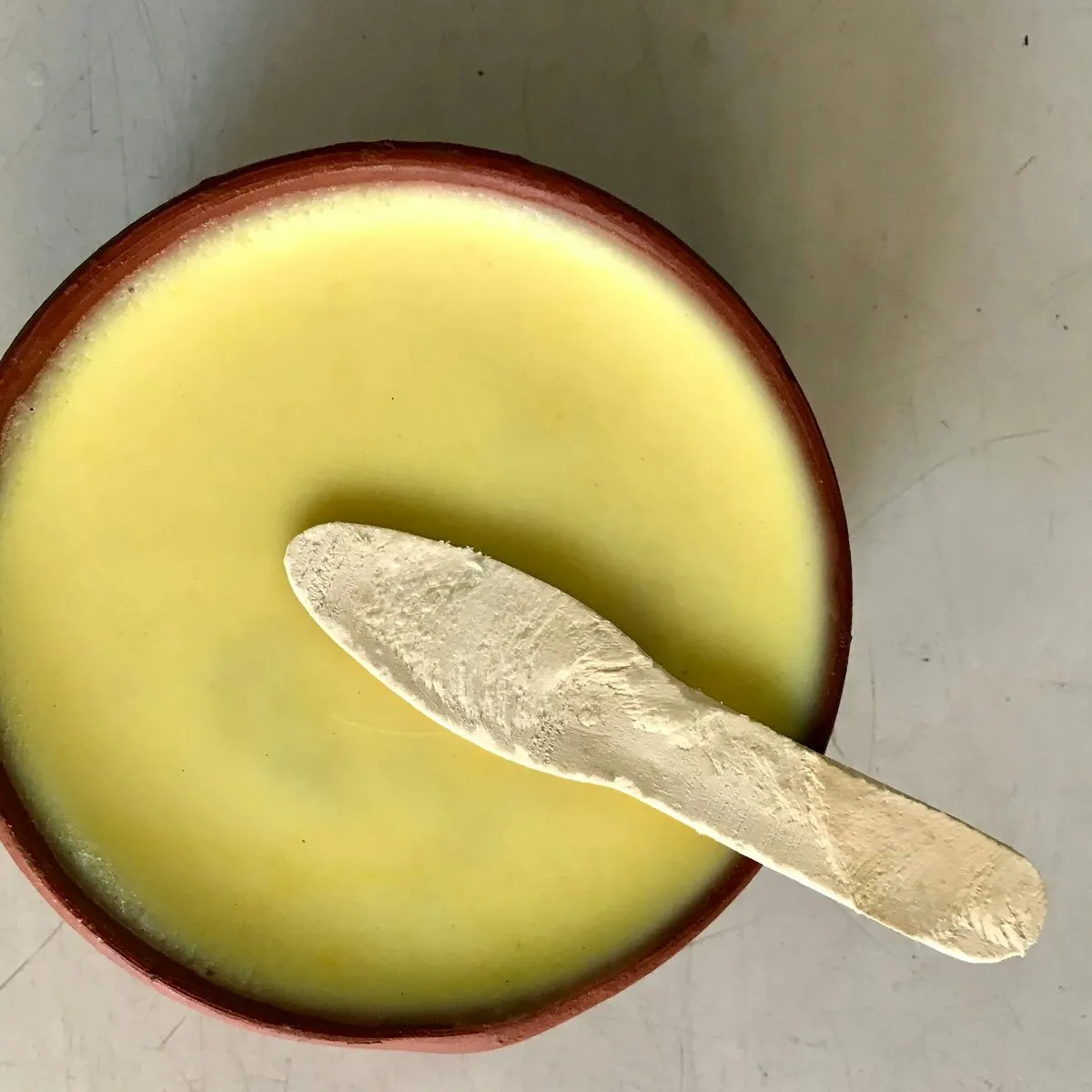 GheeButter with the water and milk solids cooked off. Still milk on every label.Read the guide
Tree nuts are named in a “may contain” line on 117,647 products in Open Food Facts, 2.9 times as many as list them in the recipe.
The EU names eight tree nuts, the US twelve. Almond is on 43,612 products in Open Food Facts; coconut, on 33,931, is a tree nut on no list.
Build your profile in about three minutes: the people you check for, what they avoid, what you track.