

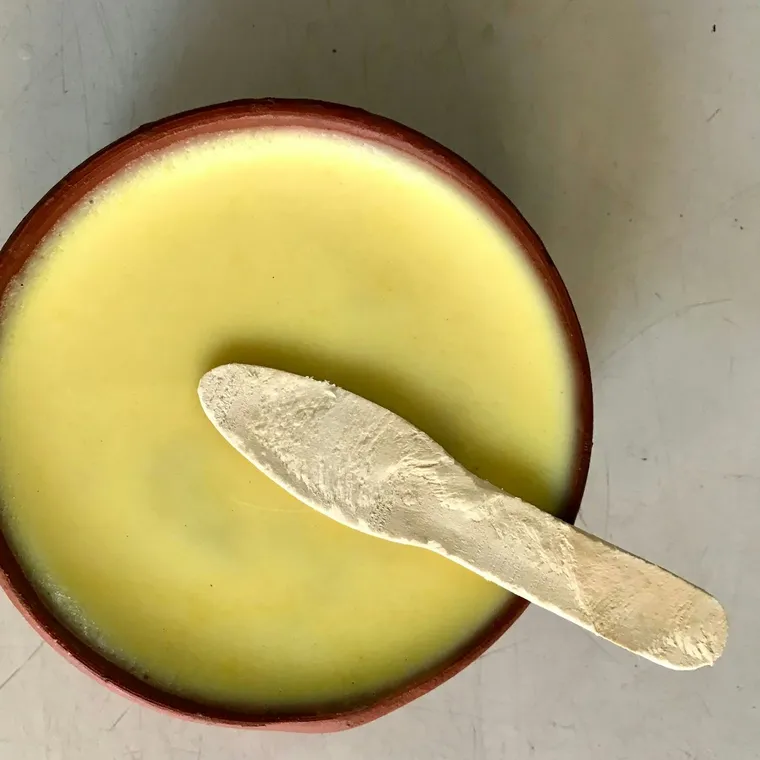
Is ghee a major allergen?
Ghee is milk, and milk must be named on food labels. Ghee itself is not a separate entry on those lists.
Ghee is declared under “Milk” on these lists.
| Allergen | US | UK and Europe | Gulf |
|---|---|---|---|
| Milk | Required | RequiredLactose included | RequiredLactose included |
Sources checked 13 October 2026. All allergen guides
What are the other names for ghee on a label?
On a label, ghee can also appear as “Clarified butter”, “Butter oil”, “Anhydrous milk fat”, “Butterfat” or “Desi ghee”.
Bravoora reads each of these as milk. Try the label checker · How Bravoora decides
Where is ghee found?
- Ready meals, sauces, spice pastes and bakery products can list it as butter oil or anhydrous milk fat.
- Keto and paleo recipes often use it for frying and baking.
- Curries, biryani and flatbreads such as paratha and roti are often cooked or brushed with it.
- Sweets such as halwa and ladoo are often made with it.
Which diets and allergies does ghee fit?
For ghee: vegan and dairy-free profiles get Not for you; vegetarian, gluten-free, peanut-allergy, sesame-allergy, egg-allergy, soy-allergy and caffeine-free profiles get Fits you.
A packed product can still carry a “may contain” warning, so check the pack.
Does ghee fit you?
Pick what applies to you:
Pick at least one to see your answer.
What is ghee?
Ghee is made by simmering butter until its water evaporates and the milk solids settle, then straining off the clear fat. Very little milk protein and lactose are left, but some remain, and ghee still counts as a milk product: it must be declared as milk on labels in the US, the UK, the EU and the Gulf. Vegetable ghee, also sold as vanaspati, is hydrogenated plant oil made to look like ghee; it contains no milk fat.
How does Bravoora check for ghee?
Bravoora reads ghee, clarified butter, butter oil and anhydrous milk fat as milk, and keeps “contains” and “may contain” apart. Vegetable ghee is not read as milk.
More questions about ghee
Is ghee lactose-free?
Not entirely. Ghee holds only traces of lactose and milk protein, but it is still a milk product and is declared as milk on labels.
Who looks out for ghee?
Ghee matters most to people with a milk allergy, and anyone following a vegan or dairy-free profile.
Is ghee vegan?
No. It comes from milk.
Does ghee fit a milk allergy or dairy-free profile?
No. It is milk fat, with traces of milk protein and lactose. Vegetable ghee is a different, plant-based fat.
Is ghee vegetarian?
Yes. It is animal-derived, but it is not meat or fish, so it usually suits a vegetarian diet.
Sources and how to cite this guide
- US FDA: Food allergies
- UK Food Standards Agency: Allergen guidance
- EU Regulation 1169/2011 (food information)
- US FDA: Questions and Answers Regarding Food Allergen Labeling, Edition 5 (January 2025)
- FARE: Update to FDA guidance for food allergen labeling (tree nuts and coconut, January 2025)
- GCC Standardization Organization: GSO 9:2022, labelling of prepackaged food (current edition)
- GCC Standardization Organization: GSO 9/2013 English text, clause 5.2.5 (the allergen list as published)
- FAO/WHO international food labelling standard (CXS 1-1985, revised 2024)
To cite this guide: Bravoora, “Ghee on a food label: it means milk”, bravoora.app/ingredients/ghee/, updated 13 October 2026.
Spotted something wrong or missing? Tell us.
General information, not medical advice. Rules differ by country and products change, so always check the pack.
Related ingredient guides
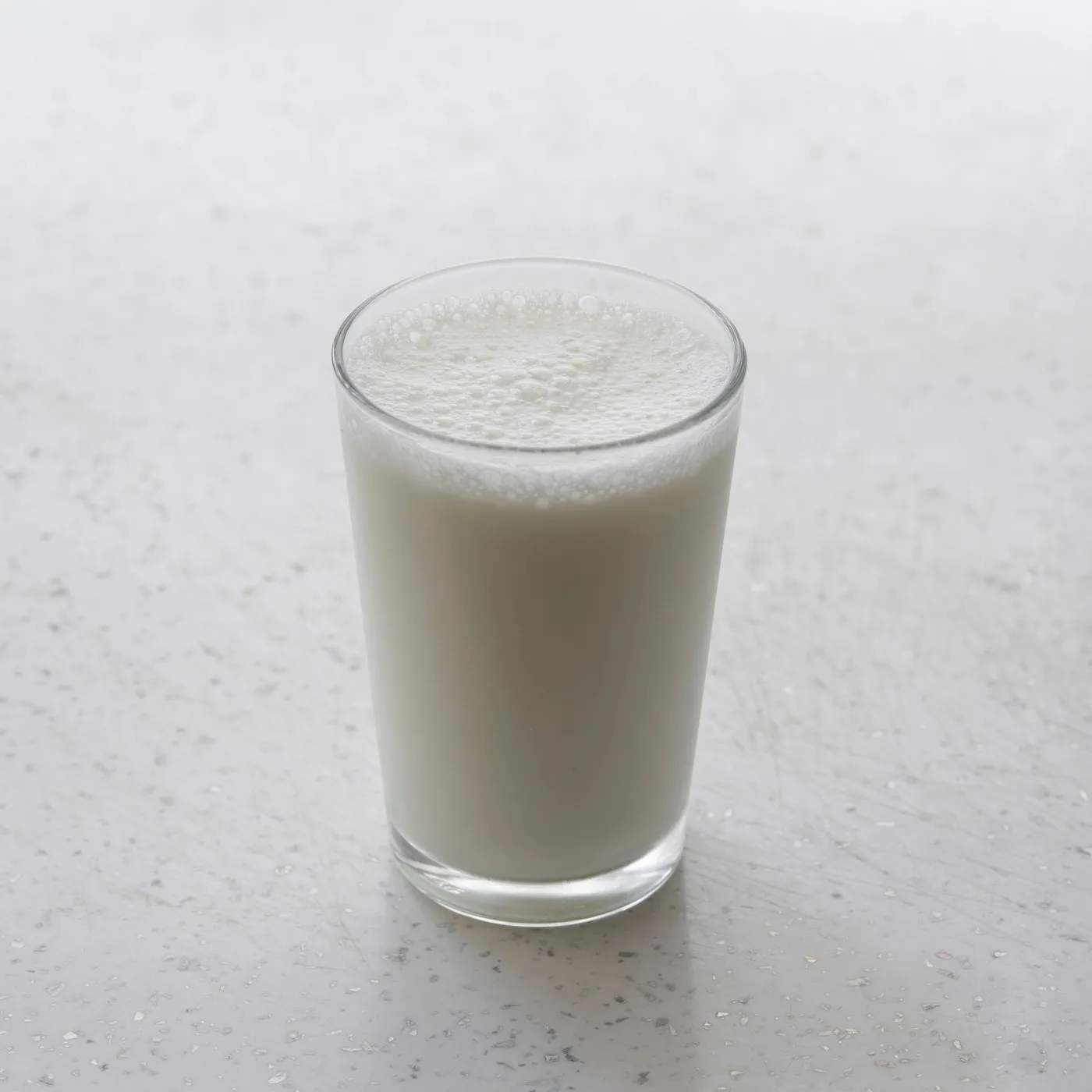 MilkMilk and its proteins hide under many names on ingredient lists.Read the guide
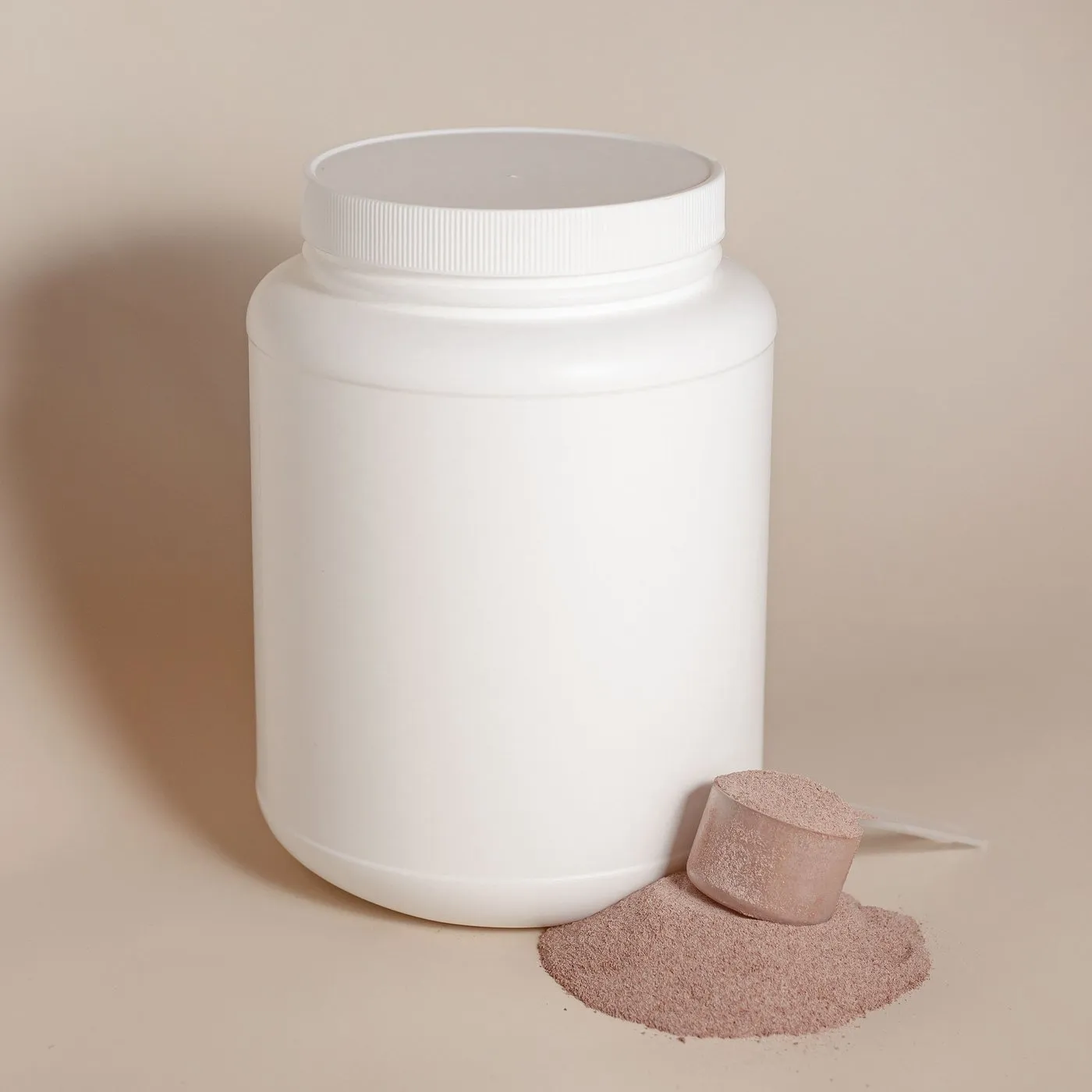 WheyThe milk protein left after cheese-making, under a name that doesn’t say milk.Read the guide
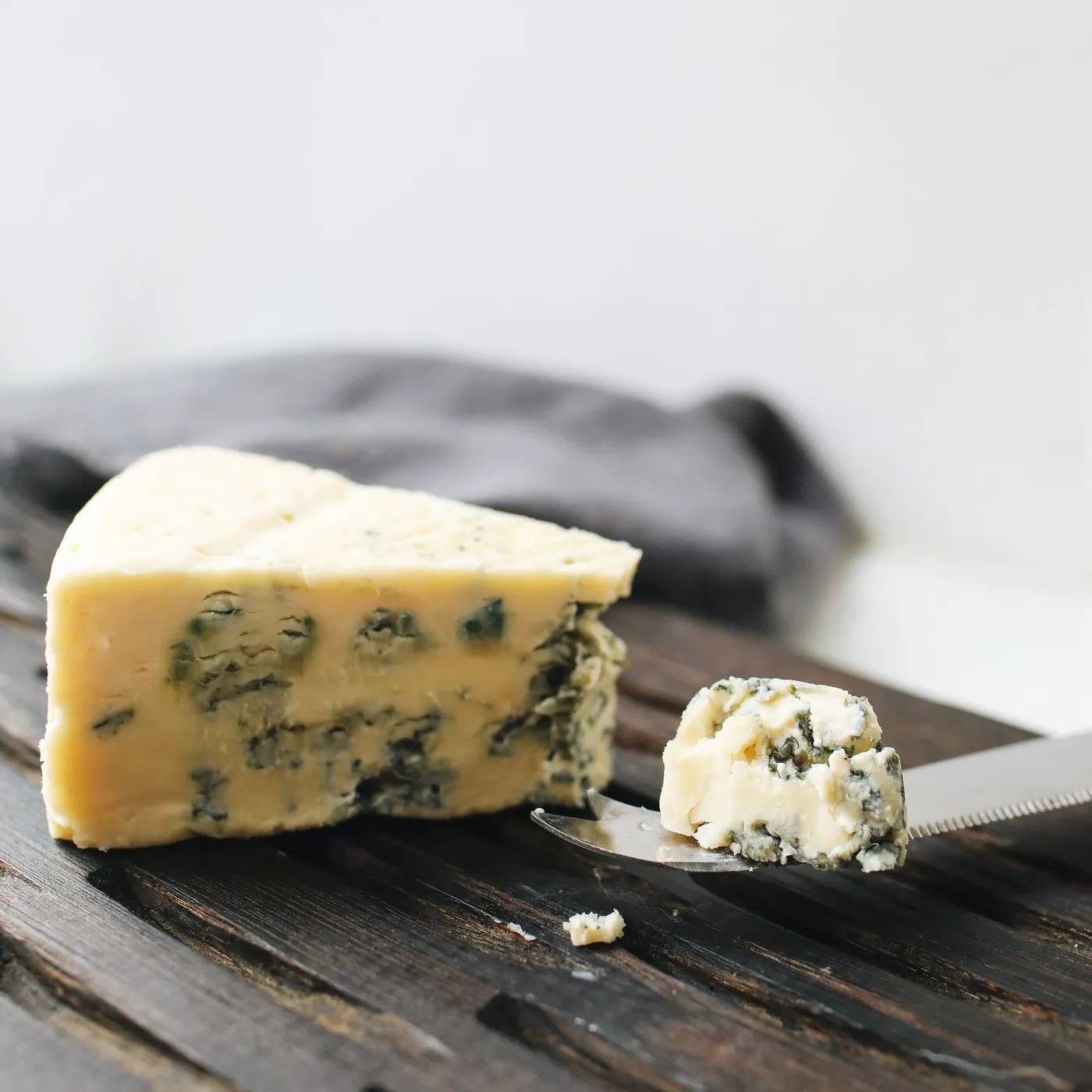 CaseinThe main protein in milk, and the one that hides inside “non-dairy” products.Read the guide
 LactoseThe sugar in milk. Avoiding it is not the same as avoiding milk protein.Read the guide