

Food allergen list: EU 14, US 9 and the hidden names on labels
Thirteen food families cover the allergen lists of the US, the UK, the EU and the Gulf (crustaceans and molluscs share one guide), plus fragrance for skincare. Each guide names every label word Bravoora reads as that family and says where a pack must declare it.
By Bravoora teamUpdated Sources checked 7 sourcesHow we check
A label answer names each person and the printed word that decided it.
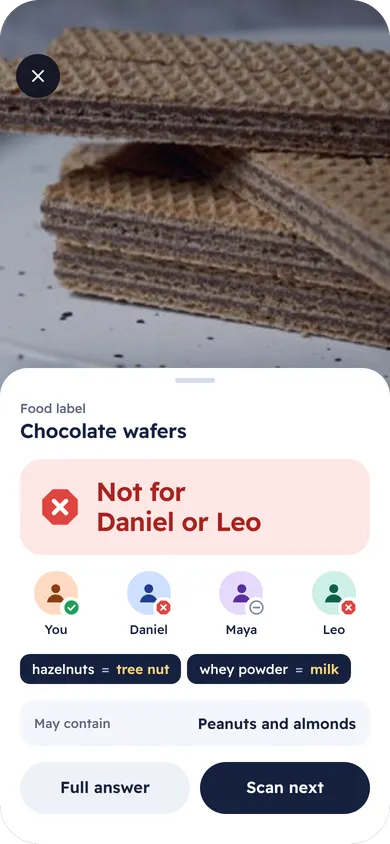
Allergen guides: the 13 food families and fragrance
Tap a family for its guide: what it is, where it hides, every name on the label, and the rules by market.
41 guides · 328 E-numbers
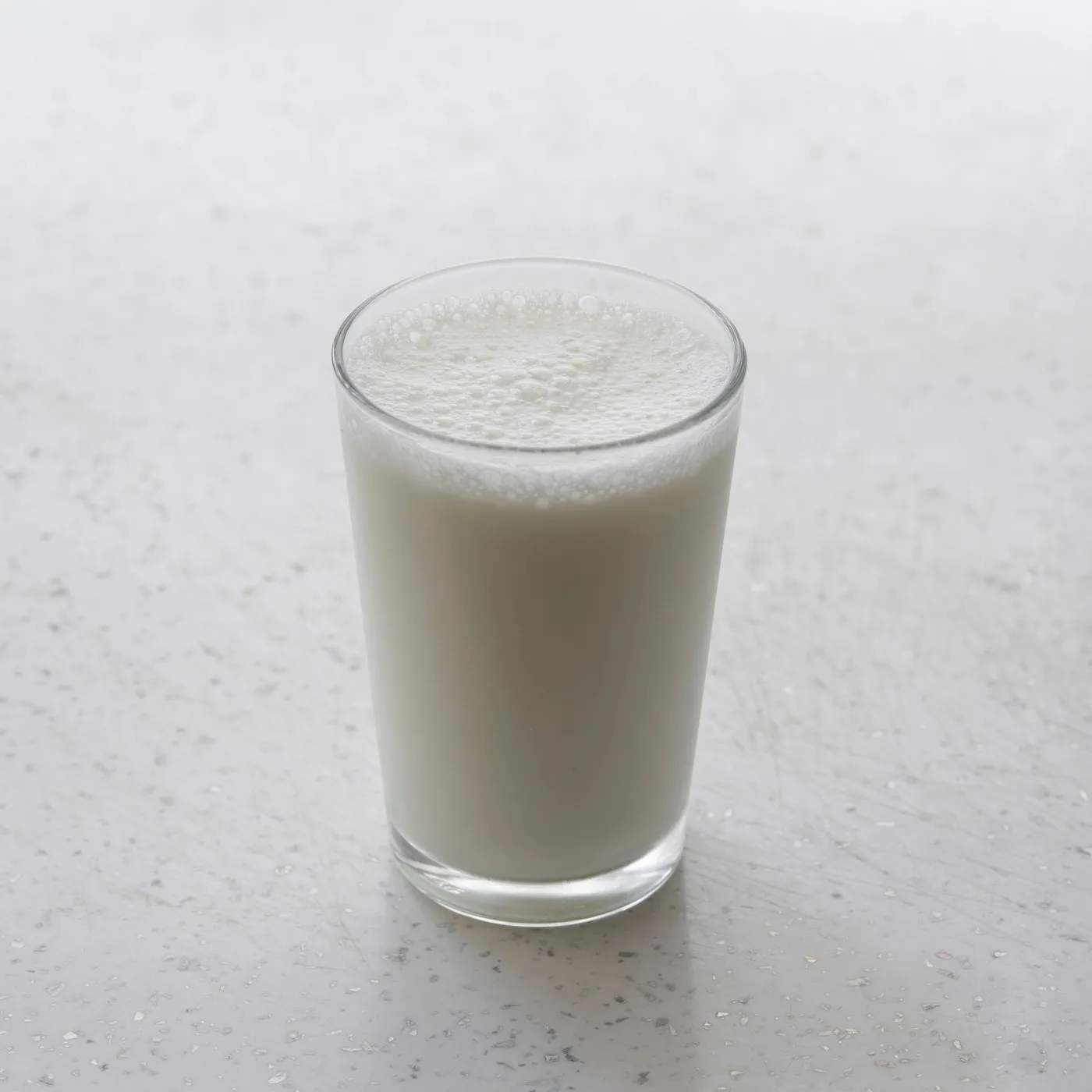 Milkwhey powder=milkUS: must declareEU and UK: must declareGulf: must declare
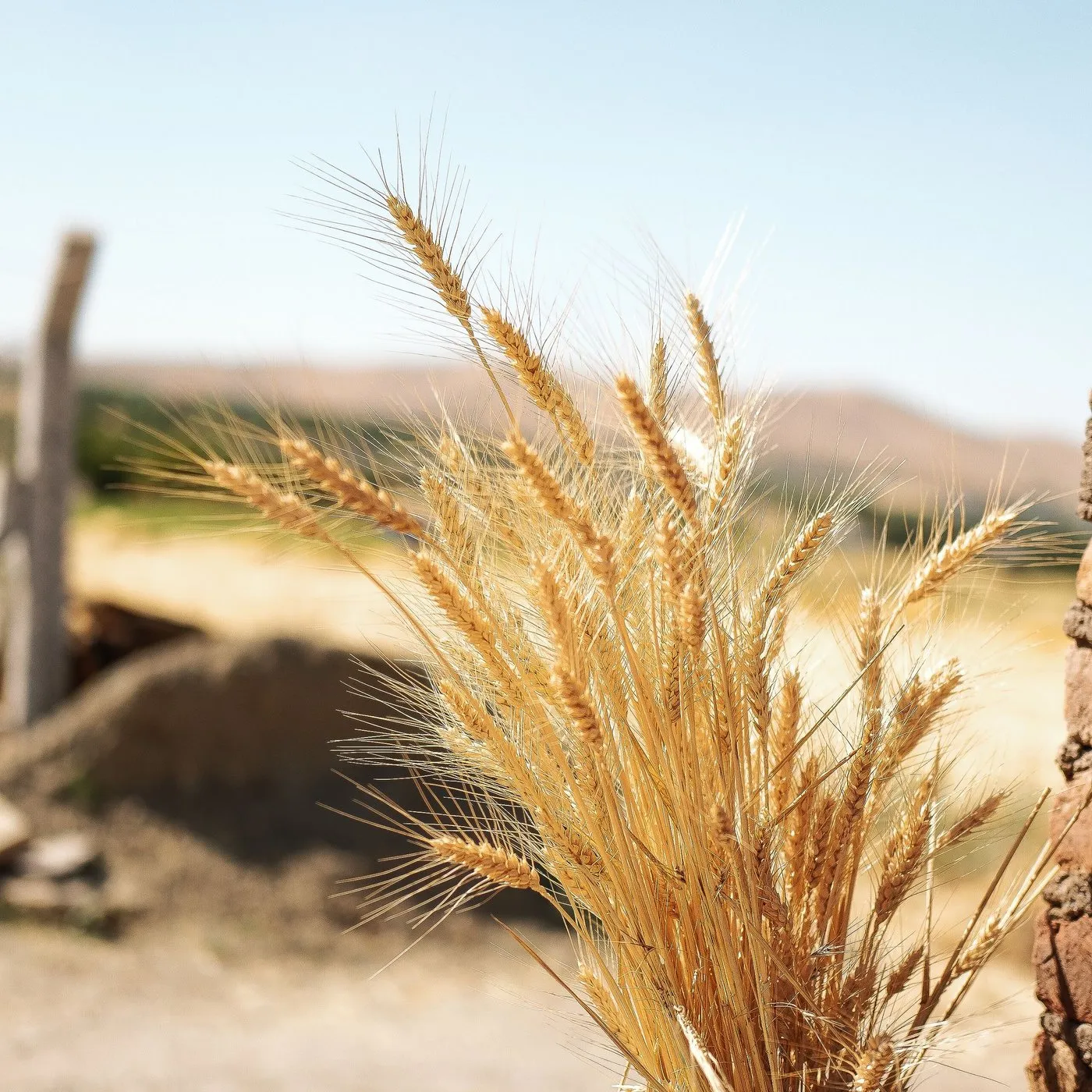 Glutenbarley malt extract=glutenUS: partlyEU and UK: must declareGulf: must declare
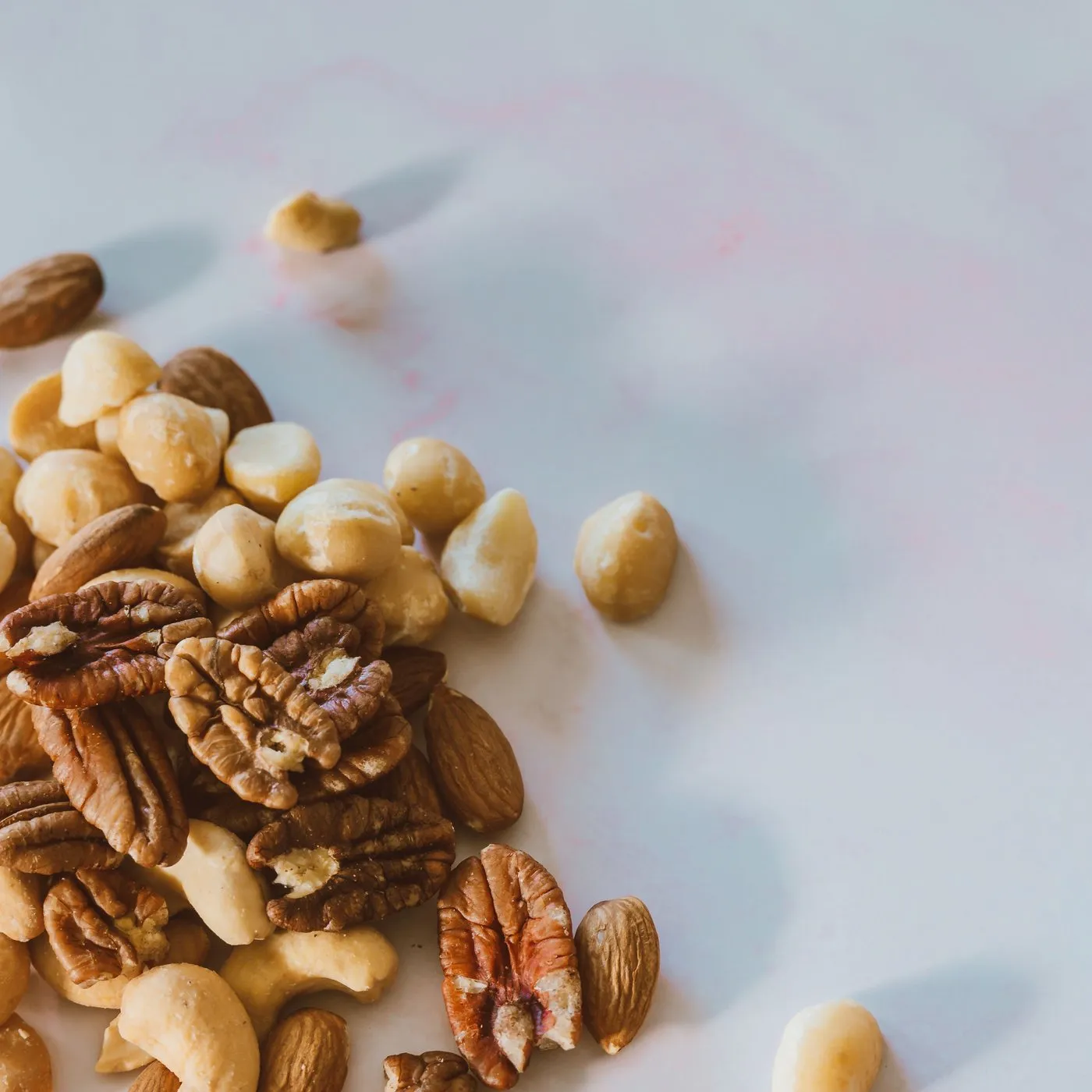 Tree nutshazelnut paste=tree nutsUS: must declareEU and UK: must declareGulf: must declare
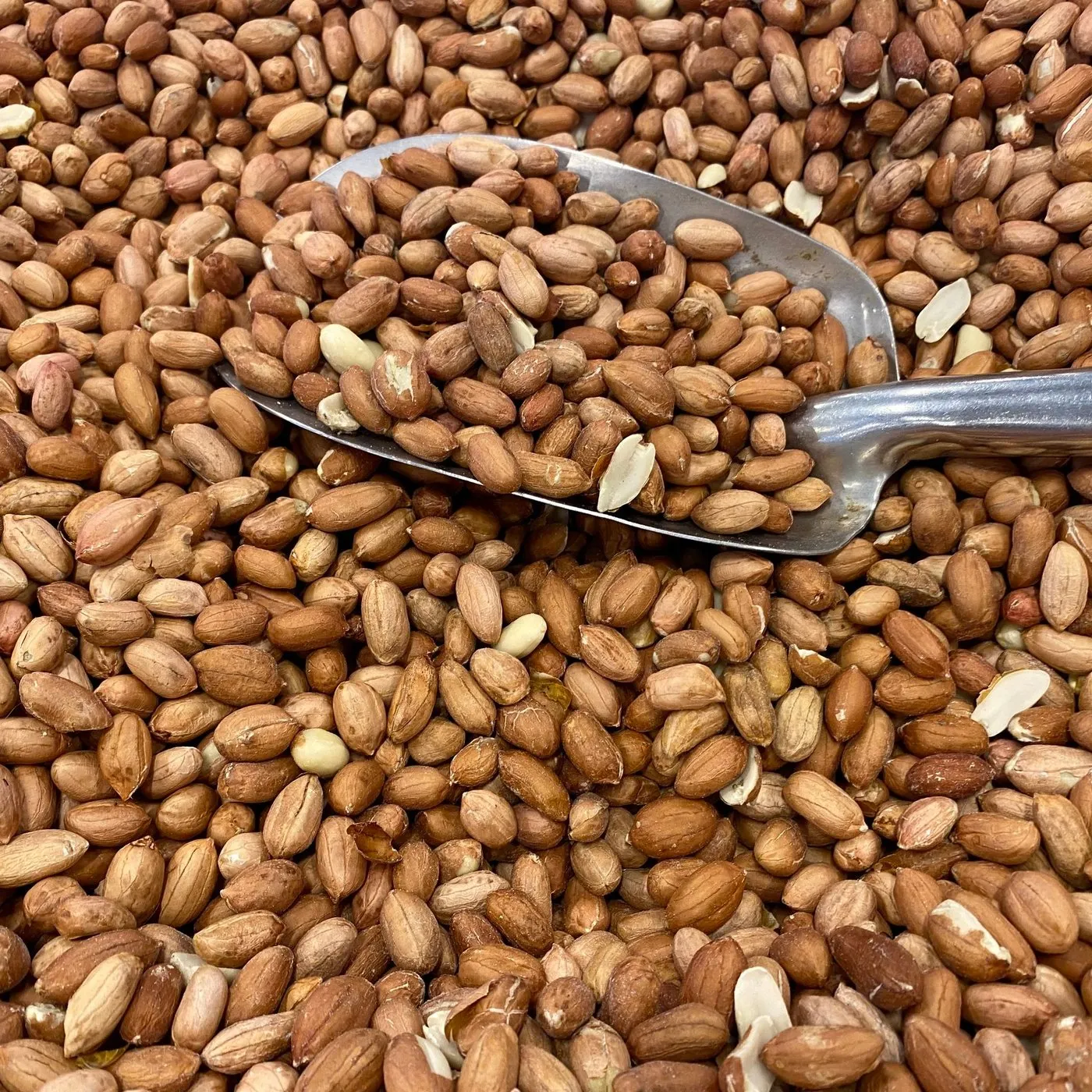 Peanutsarachis oil=peanutUS: must declareEU and UK: must declareGulf: must declare
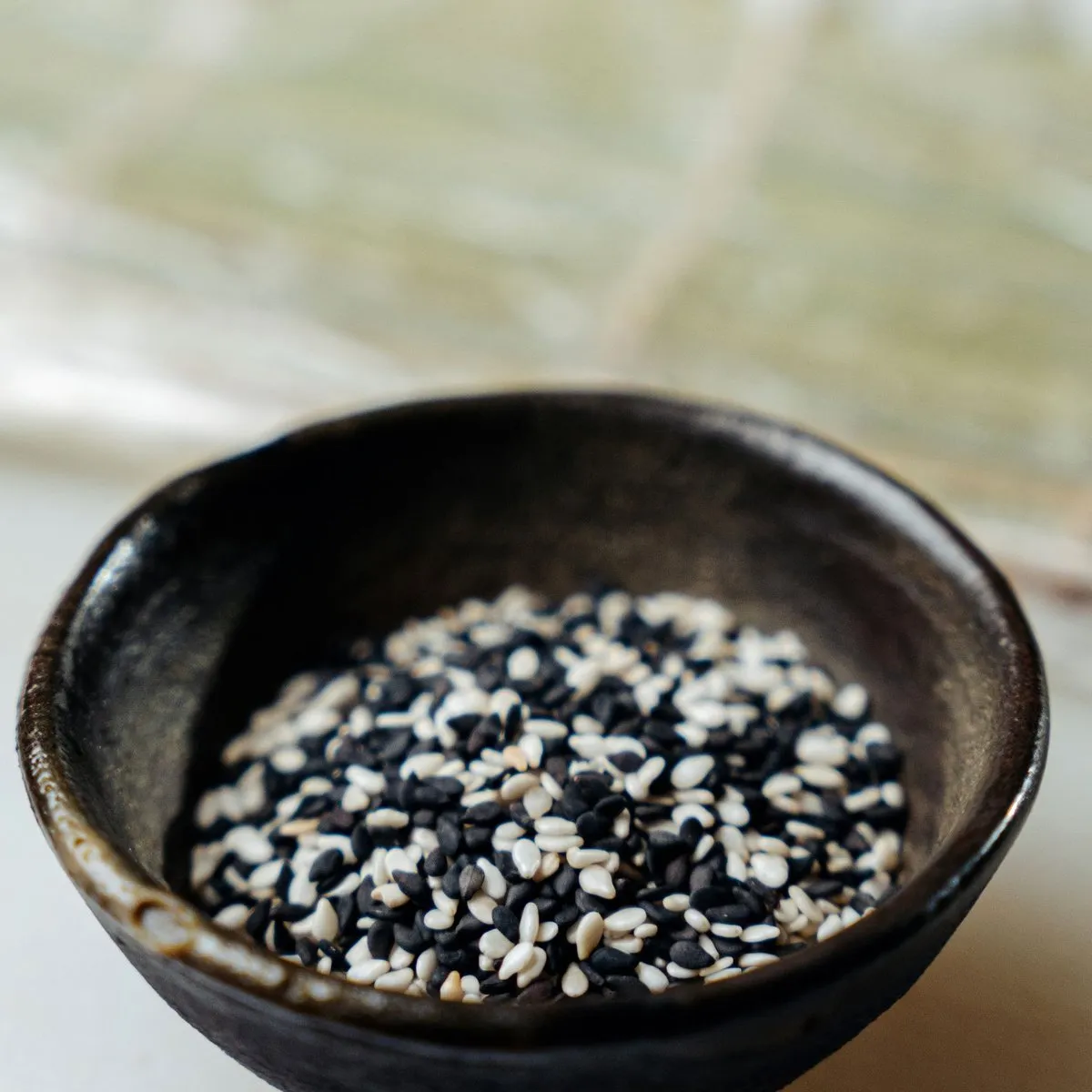 Sesamebenne seeds=sesameUS: must declareEU and UK: must declareGulf: must declare
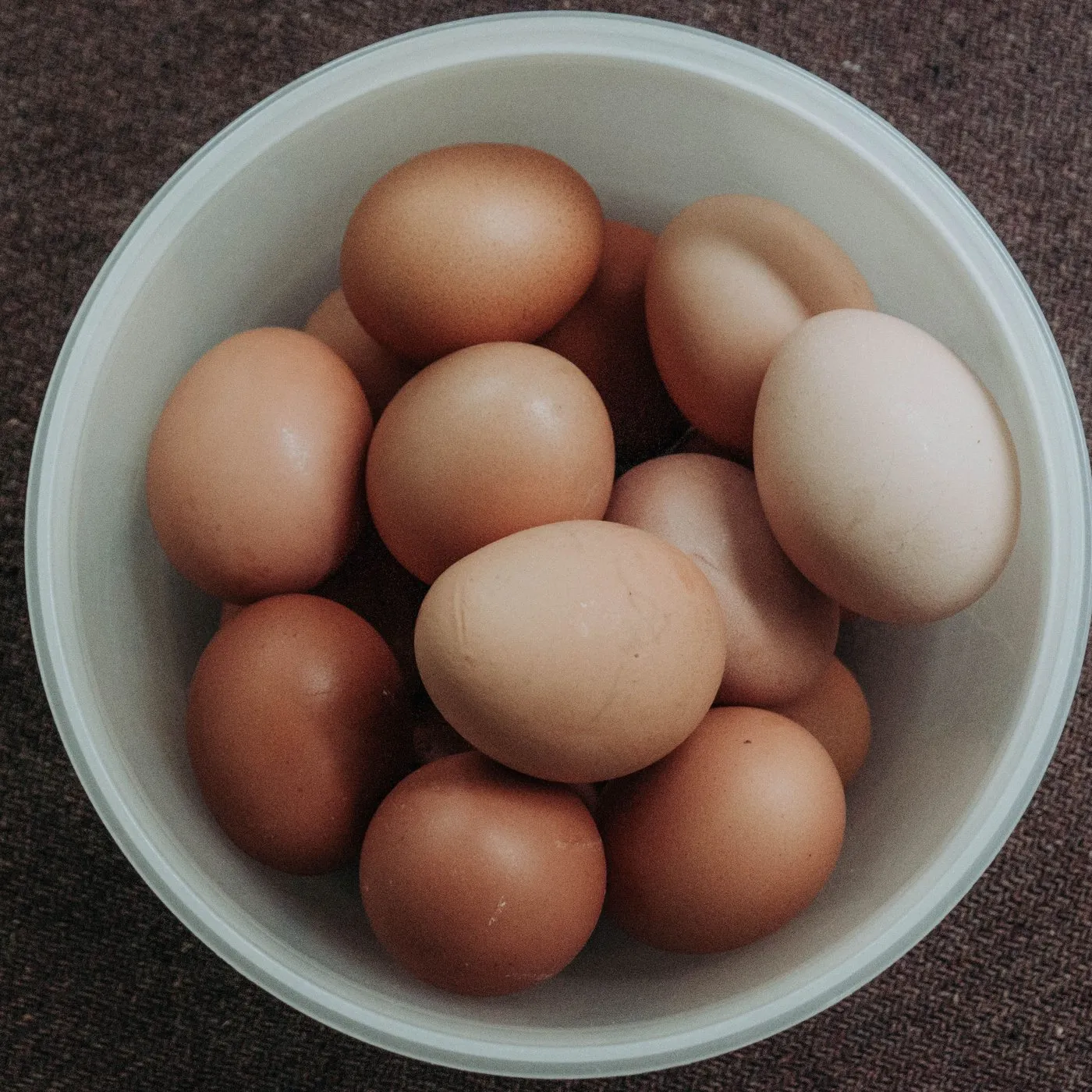 Eggsalbumin=eggUS: must declareEU and UK: must declareGulf: must declare
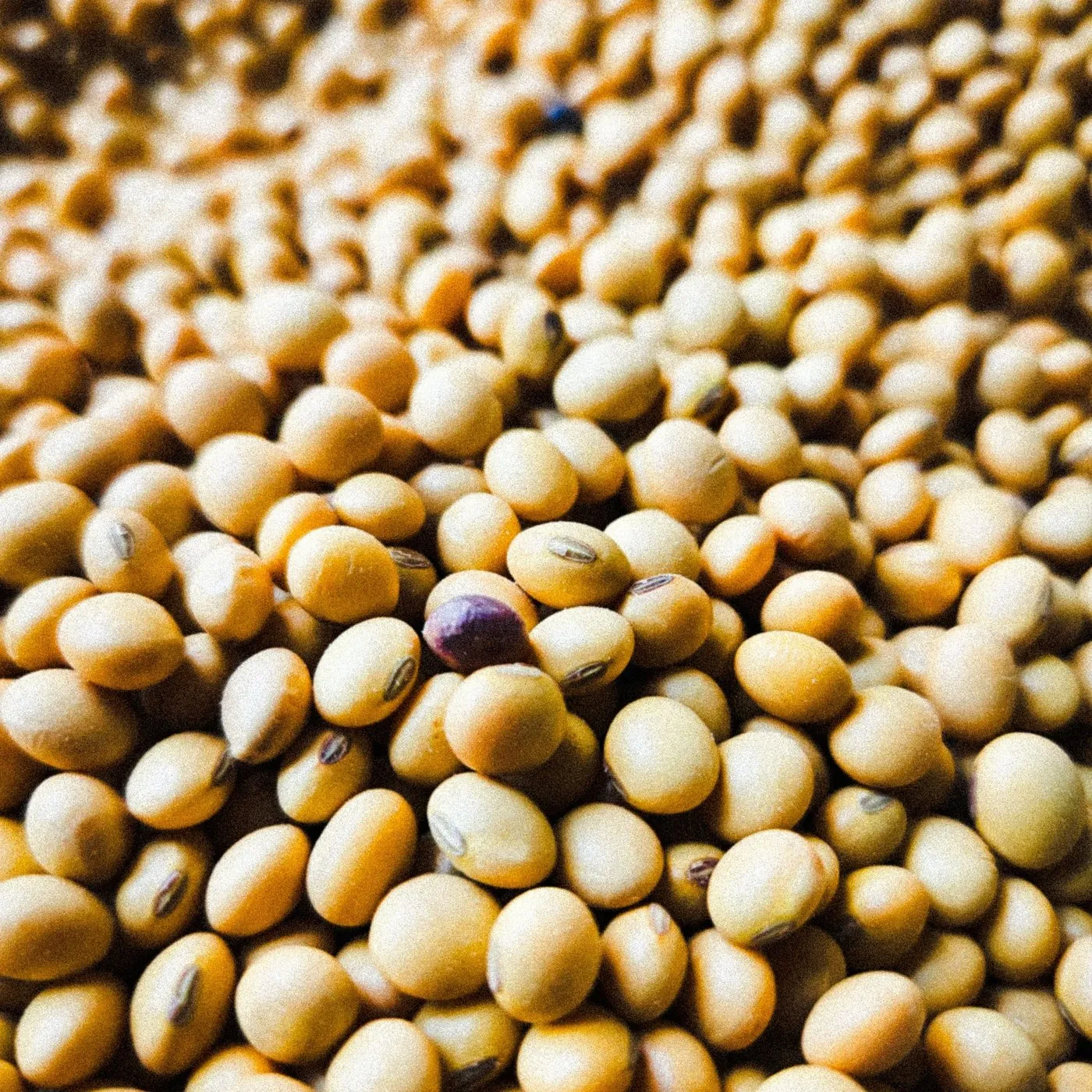 Soysoy lecithin (E322)=soyUS: must declareEU and UK: must declareGulf: must declare
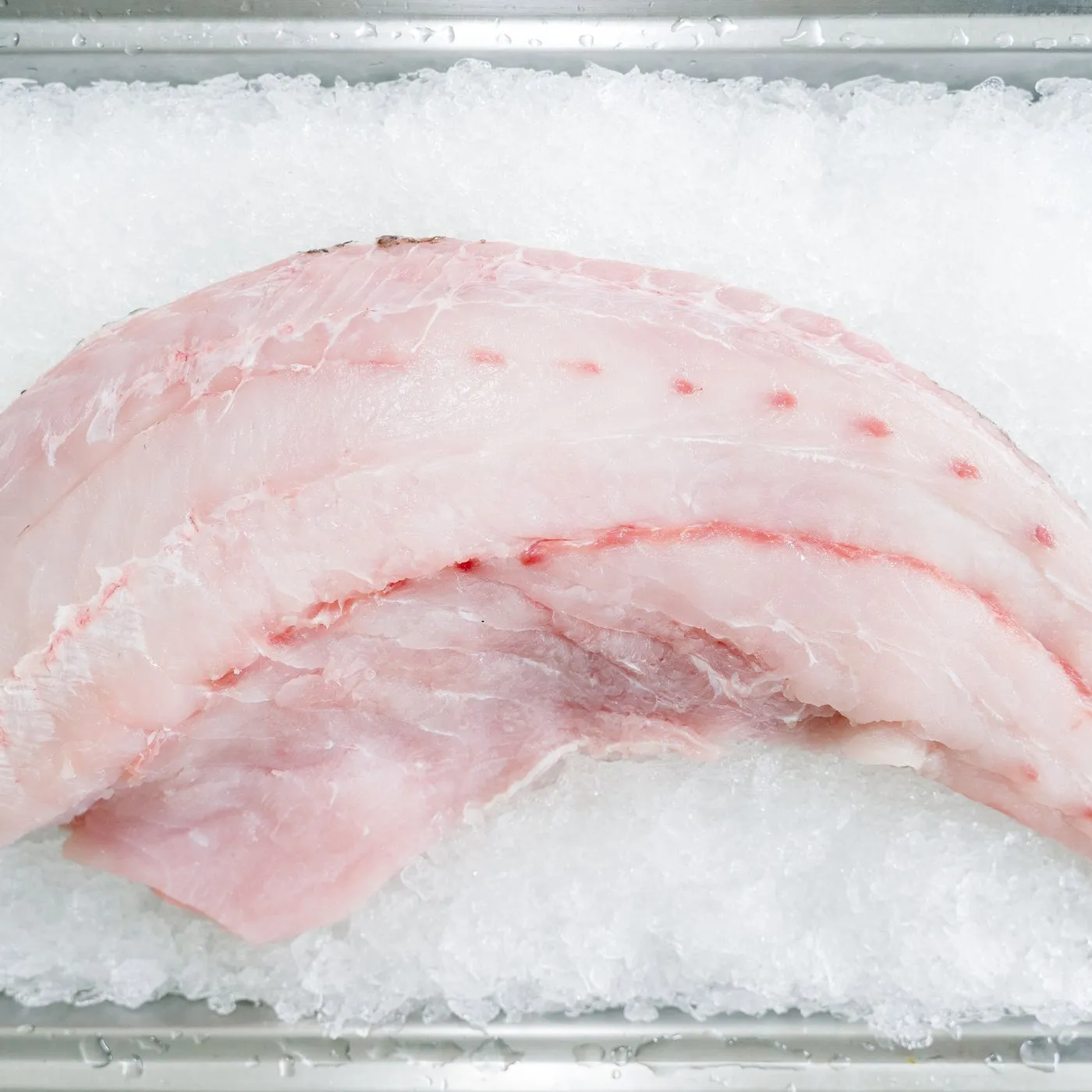 Fishanchovy paste=fishUS: must declareEU and UK: must declareGulf: must declare
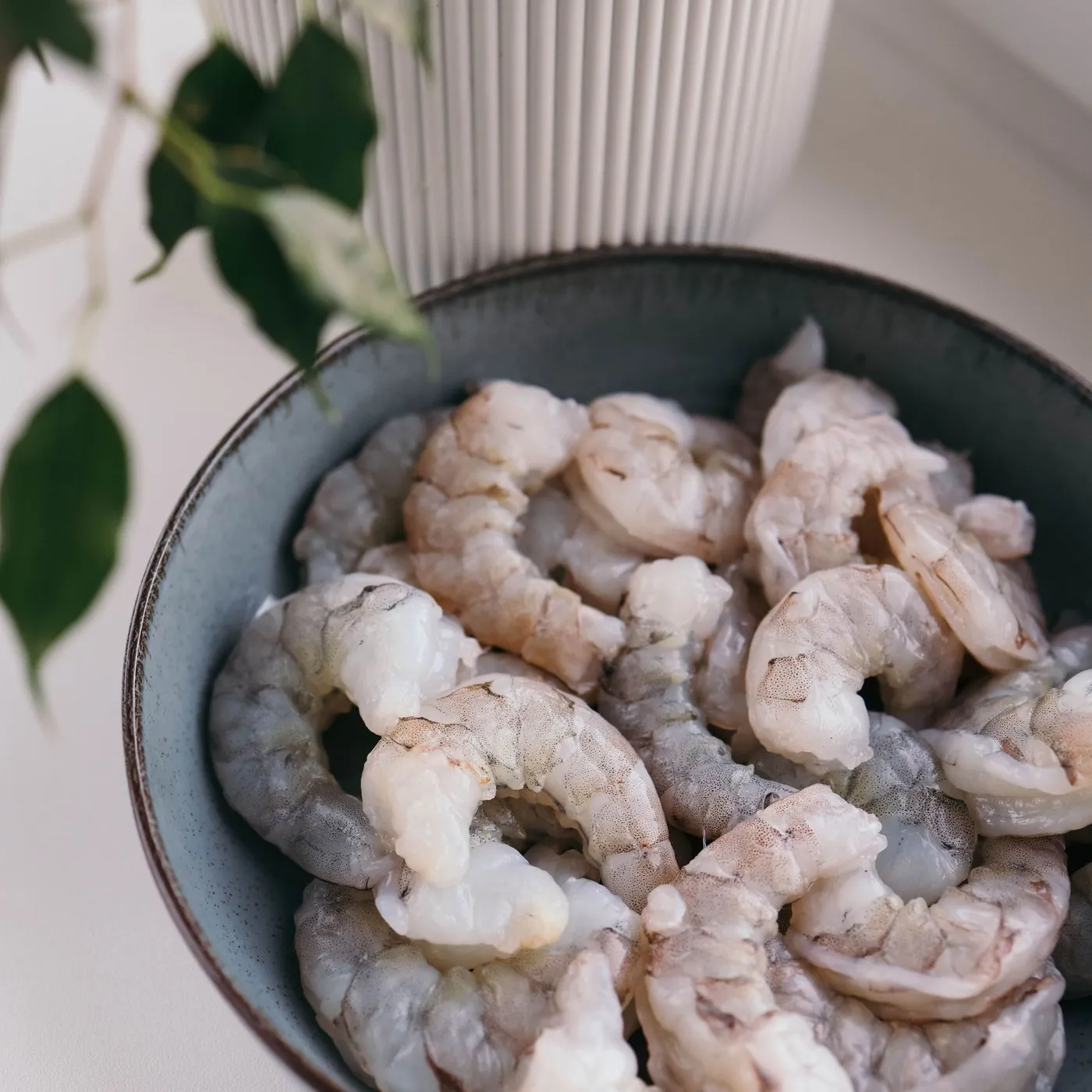 Crustaceans and molluscsoyster sauce=shellfishUS: partlyEU and UK: must declareGulf: must declare
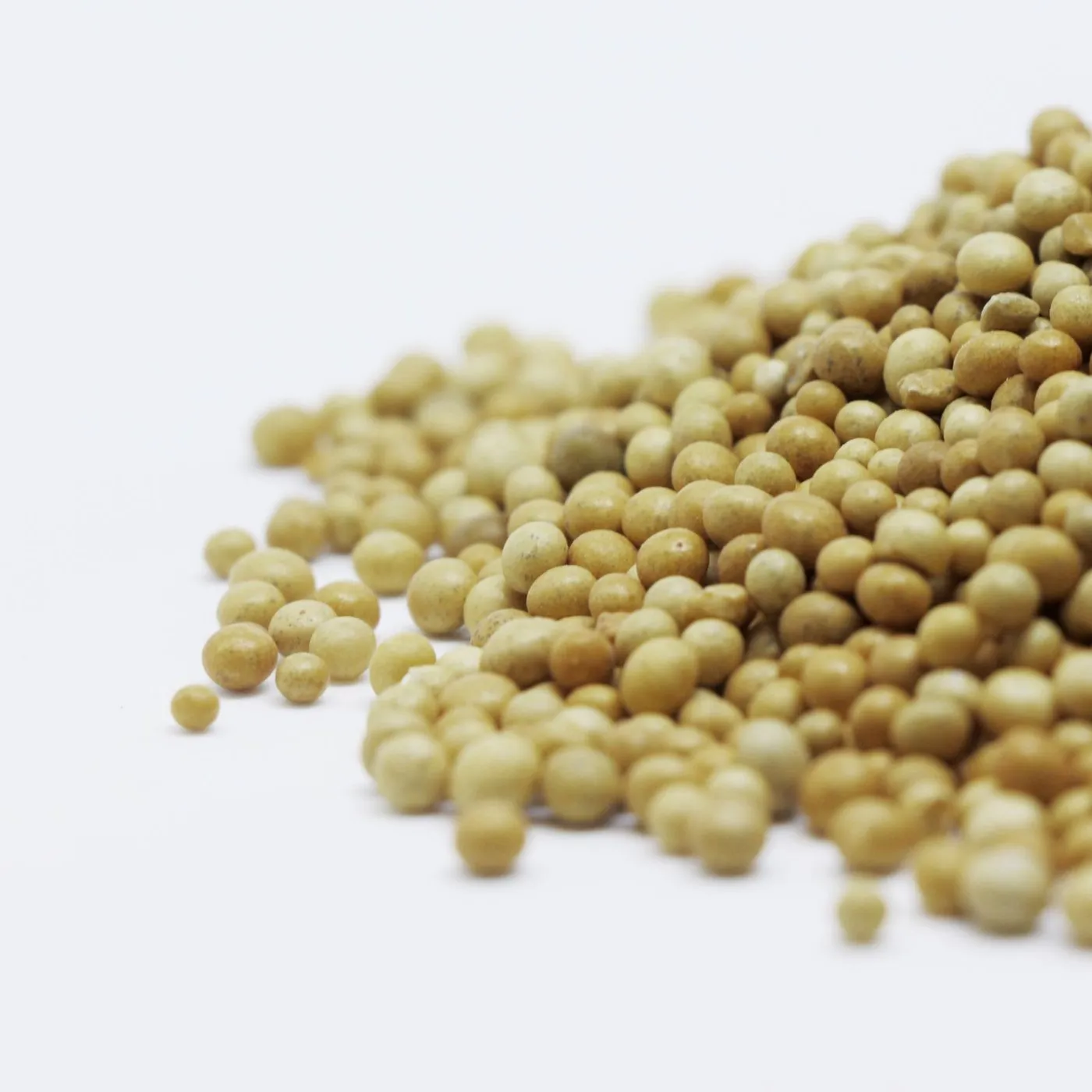 MustardDijon=mustardUS: not requiredEU and UK: must declareGulf: must declare
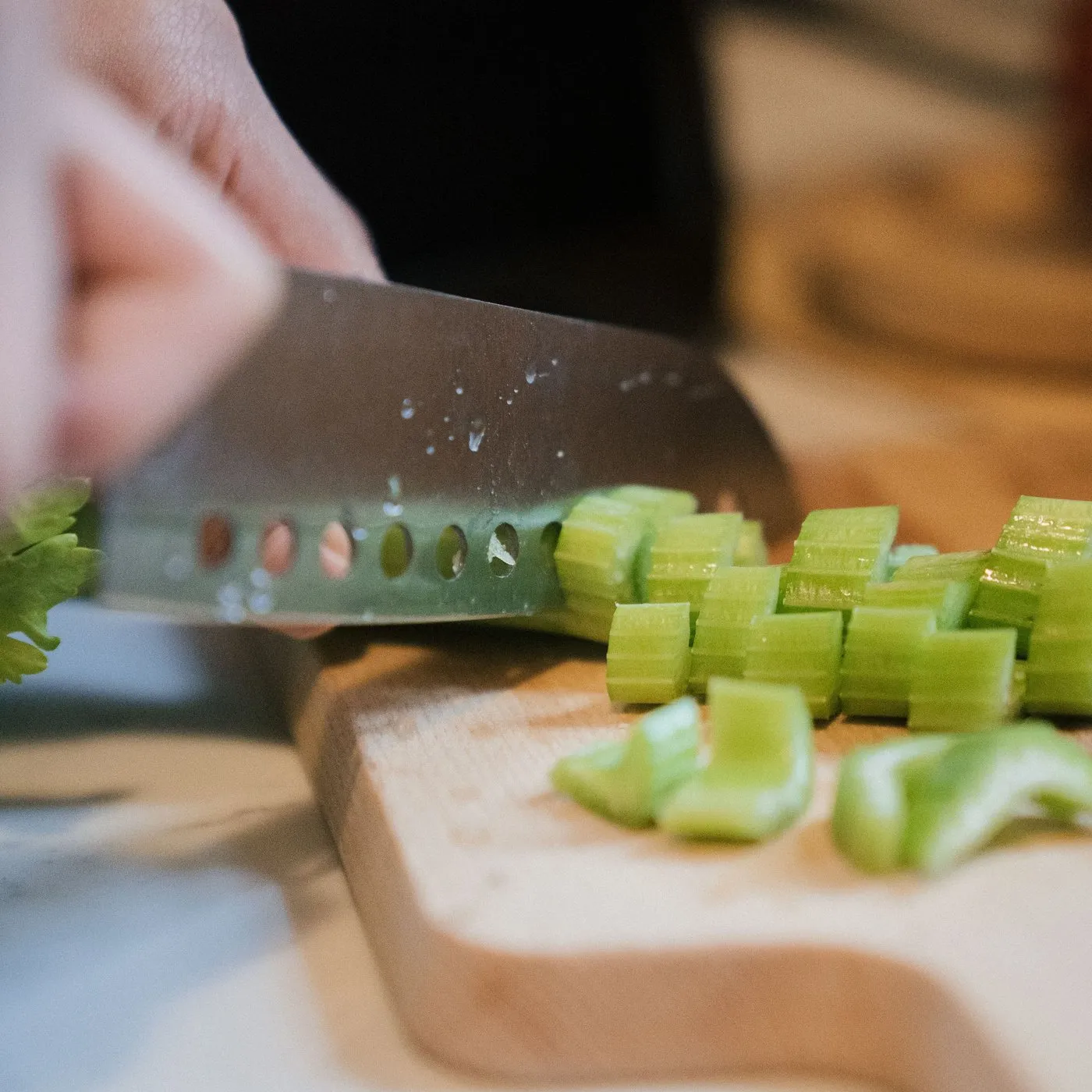 Celeryceleriac=celeryUS: not requiredEU and UK: must declareGulf: must declare
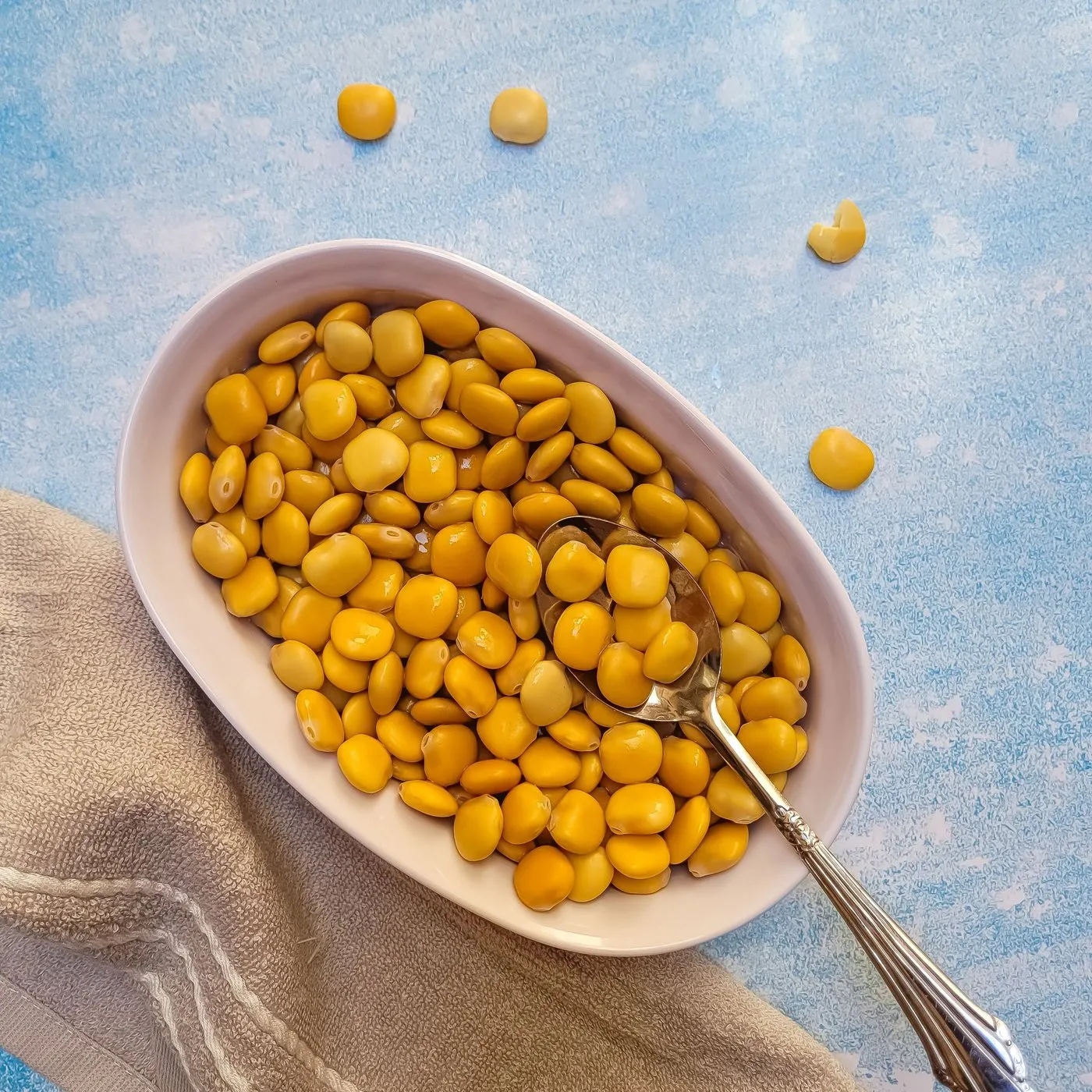 Lupinlupin flour=lupinUS: not requiredEU and UK: must declareGulf: must declare
 SulphitesE223=sulphitesUS: partlyEU and UK: partlyGulf: partly
 Fragrance (parfum)Linalool=fragrance allergenSkincare
Fragrance is the skincare family: EU rules name the fragrance allergens a cosmetic label must list by name.
Which label names belong to an allergen family?
Whey, casein, lactose and ghee are milk; semolina, durum wheat, spelt, bulgur, couscous and barley malt extract are gluten; marzipan and gianduja are tree nuts; arachis oil is peanut; tahini is sesame; albumin is egg; tofu and tempeh are soy.
The checker files each of these words under its family, so a milk profile still catches whey.
Which allergens must be declared, market by market?
The EU and UK name 14 allergens that must always be declared. The US names 9, since sesame was added on 1 January 2023. The 2013 English text of the Gulf standard GSO 9 lists 14 groups, the same groups as the EU.
From the guide to reading an allergen label. Sources checked 22 September 2026.
| Market | Allergens that must be declared | Good to know |
|---|---|---|
| EU and UK | 14: cereals containing gluten, crustaceans, eggs, fish, peanuts, soybeans, milk, tree nuts, celery, mustard, sesame, sulphites (10 mg/kg or more), lupin, molluscs46 | Emphasised inside the ingredient list, for example in bold4. In the UK, Natasha’s Law extends full ingredient labelling to food prepacked for direct sale7. |
| United States | 9: milk, eggs, fish, crustacean shellfish, tree nuts, peanuts, wheat, soybeans, sesame5 | Sesame became the ninth major allergen on 1 January 2023 under the FASTER Act. Declared in the ingredient list or in a “Contains” statement5. |
| UAE, Saudi Arabia and the GCC | 14 groups in the 2013 English text of GSO 9: cereals containing gluten (wheat, barley, oats, rye, spelt), crustaceans, eggs, fish, peanuts, soybeans, tree nuts (written “walnuts”), milk including lactose, sulphites at 10 ppm or more, celery, mustard, sesame, molluscs (written “clams”) and lupin1 | The current edition is GSO 9:2022, with Amendment 1 approved on 22 April 202523. Labels must be in Arabic, and any second language must match it1. |
| The international reference | The 2024 revision has one list that must always be declared and a second list set by region or country8. Reports of the revised text say sesame joined the first list and soy moved to the second9. | The international food standard is a reference that countries write into their own rules; it does not apply to a pack by itself. |
Read the full guide: How to read a food label for allergens: EU, UK, US and Gulf rules
More in the ingredient library
Create a website profile with the things you avoid and the people you check for.
Build my profileSave and edit your profile on this website. App transfer is not available yet.