

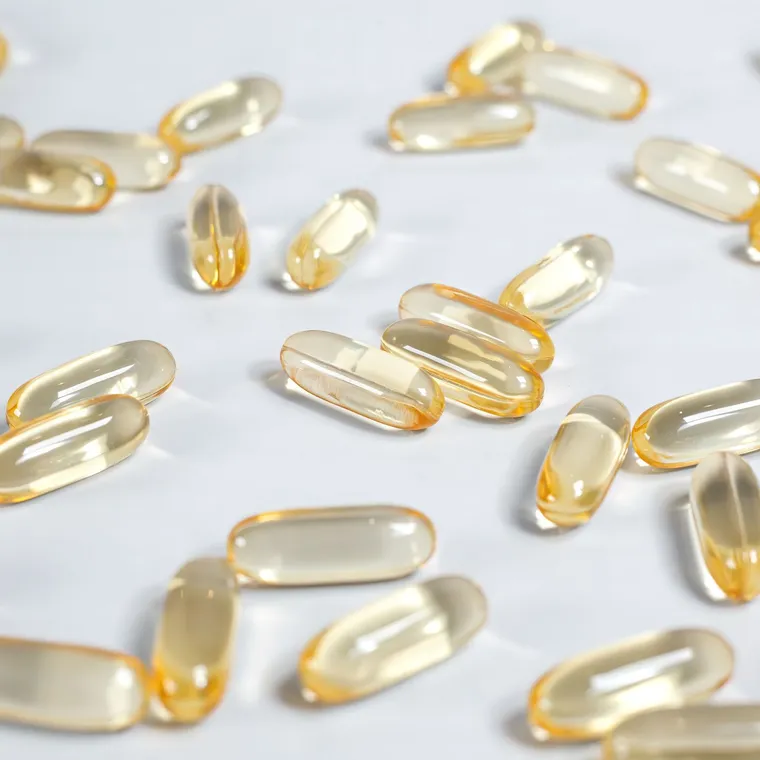
What is vitamin D3?
Vitamin D3 (cholecalciferol) is one of the two main forms of vitamin D; the other is D2 (ergocalciferol). D3 in supplements is often made from lanolin, a wax from sheep’s wool, though versions made from lichen exist. Labels show the amount in micrograms (mcg) or international units (IU): 1 mcg equals 40 IU.
Where is vitamin D3 found?
- Supplements carry it as softgels, tablets, drops and gummies.
- Milk, breakfast cereals and spreads are often fortified with it.
What are the other names for vitamin D3 on a label?
On a label, vitamin D3 can also appear as “Cholecalciferol” or “Colecalciferol”.
Which diets does vitamin D3 fit?
For vitamin D3: vegan and vegetarian profiles get Heads up.
A packed product can still carry a “may contain” warning, so check the pack.
Does vitamin D3 fit you?
Pick what applies to you:
Pick at least one to see your answer.
How does Bravoora check for vitamin D3?
Bravoora shows the form and the amount exactly as printed on the label. It doesn’t give dosage advice.
More questions about vitamin D3
Who looks out for vitamin D3?
Vitamin D3 matters most to anyone comparing supplement labels, and people following a vegetarian or vegan profile who want to know the source.
Is vitamin D3 vegan?
It depends. D3 is often made from lanolin (sheep’s wool). Lichen-based D3 is vegan, so check the label.
Is vitamin D3 vegetarian?
It depends. Lanolin-based D3 is usually accepted by vegetarians, but softgel shells are often gelatin.
Sources and how to cite this guide
To cite this guide: Bravoora, “Vitamin D3: what it is, where it’s used, vegan or not”, bravoora.app/ingredients/vitamin-d3/, updated 22 September 2026.
Spotted something wrong or missing? Tell us.
General information, not medical advice. Rules differ by country and products change, so always check the pack.
Related ingredient guides
 CaffeineA natural stimulant that can also hide inside plant extracts.Read the guide
 GelatinAn animal protein that sets gummies, marshmallows and softgels.Read the guide
 Mono- and diglycerides (E471)The most common emulsifier on a label, and its source is rarely stated.Read the guide
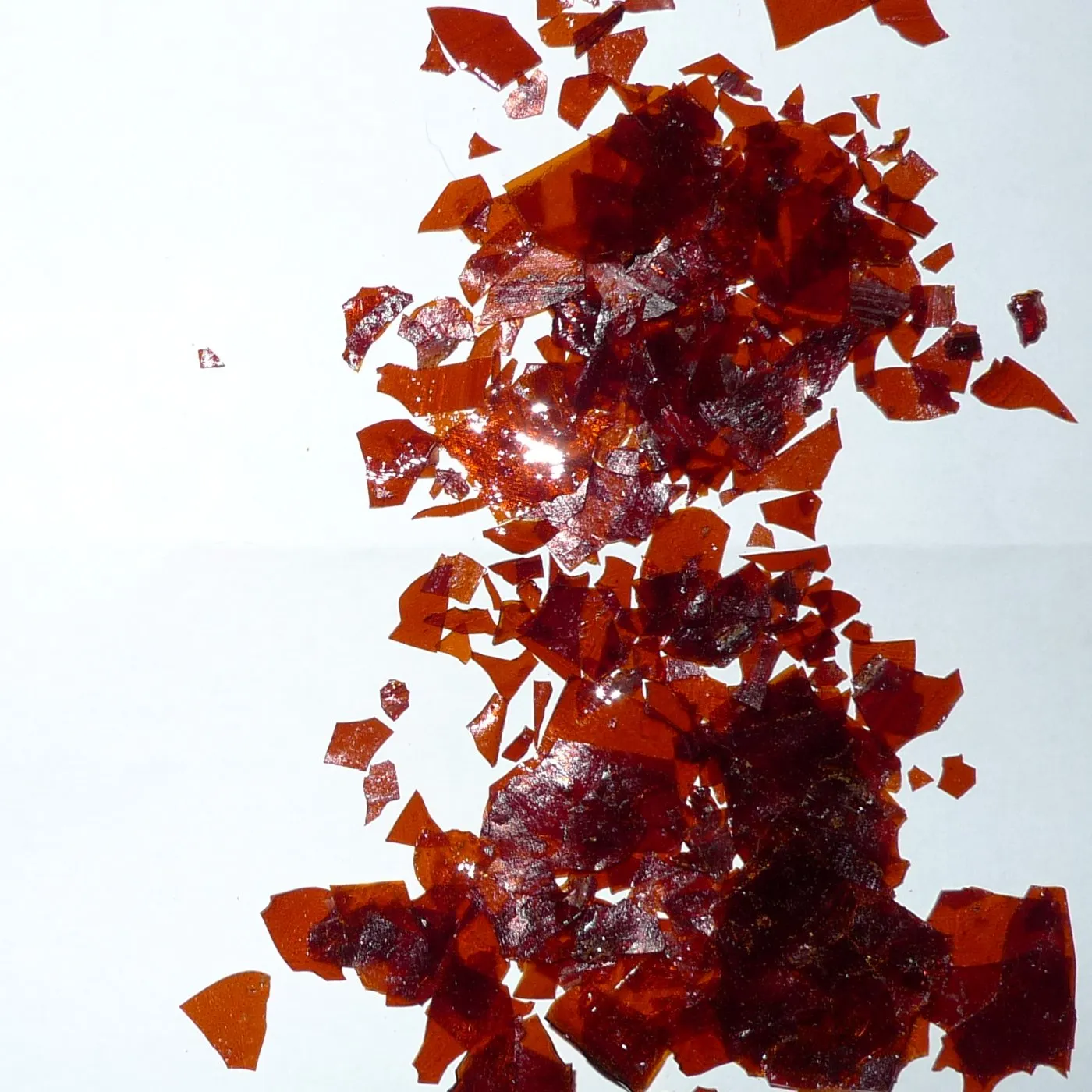 Shellac (E904)The shine on sweets and coated tablets, made from an insect resin.Read the guide