

Allergens
How often does a food label say “may contain”, allergen by allergen?
Tree nuts are named in a “may contain” line on 117,647 products in Open Food Facts, 2.9 times as many as list them in the recipe.
We’re updating Bravoora, so forms and sign-in are paused for now. Nothing you saved is lost. Please try again later.
Skip to contentEgg is on 115,834 products in Open Food Facts. Its other names are its parts and forms: egg yolk, egg white or albumen, whole egg, egg powder, lysozyme.
Egg, or a kind of egg, is listed on 115,834 products in Open Food Facts. Its other names are its parts and forms: egg yolk (27,781 products), egg white or albumen (25,910), whole egg (16,614) and egg powder (2,962), plus lysozyme (E1105), on 1,533 products, most often in cheese.
Egg itself, on 115,834 products, then egg yolk (27,781), egg white (25,910) and whole egg (16,614)[1]. A product counts under every egg name it lists, and under a name when it lists a more specific kind of it, so the counts overlap and do not add up.
Bravoora’s dictionary has 48 names in its egg family, each with its own page[2], and its egg guide explains the rest[3].
| Name | Products | Most often in |
|---|---|---|
| Egg | 115,834 | Biscuits and cakes |
| Egg yolk | 27,781 | Dressings and sauces |
| Egg white | 25,910 | Biscuits and cakes |
| Whole egg | 16,614 | Biscuits and cakes |
| Fresh egg | 5,714 | Biscuits and cakes |
| Egg powder | 2,962 | Biscuits and cakes |
| Chicken egg | 2,505 | Biscuits and cakes |
| Egg yolk powder | 2,482 | Biscuits and cakes |
| Lysozyme from eggs | 1,533 | Cheese |
| Liquid whole egg | 1,294 | Biscuits and cakes |
Egg. Albumen, also spelled albumin, is the main protein group in egg white, and in an ingredient list it means egg; so do ovalbumin, conalbumin, dried egg white and egg white powder[4]. Open Food Facts lists egg white on 25,910 products, most often in biscuits and cakes, then ready meals[1].
One name in the same protein family does not come from egg: bovine serum albumin is from cattle, which is why the full words on the pack matter[4].
Because of lysozyme. Lysozyme (E1105) is a preservative usually taken from egg white[5], and Open Food Facts lists lysozyme from eggs on 1,533 products, most often in cheese (409), then dressings and sauces (317)[1]. Those products are sold mostly in France, Italy and Germany.
EU rules count additives as ingredients, so an additive made from egg must name egg on the label, like any other ingredient[6]. In the US, egg is one of the nine major allergens, and it must be named in the ingredient list or in a “Contains” line under it[7].
For diets, lysozyme’s own page gives a vegan profile “Not for you” and a vegetarian profile “Fits you”[5]. The lecithin guide covers the other additive egg can be the source of, lecithin (E322).
Method: product counts from the Open Food Facts export, read on 13 October 2026[1]; names from Bravoora’s dictionary[2] and, for egg and egg white, their guides; lysozyme’s source and answers from Bravoora’s E-number list[5]. A product counts under a name when its list names it or a more specific kind of it, in any language, so the counts overlap. Contains information from Open Food Facts, which is made available here under the Open Database License (ODbL)[8].
Bravoora reads the egg names in the ingredient list and in the “may contain” line, from albumen to omelette, and shows the printed word with its meaning: “lysozyme = egg”. For Emma, whose profile avoids egg, a name in the list gives “Not for Emma” and a name only in a warning line gives “Heads up”; a lecithin with no stated source gives “Heads up” too. The methodology shows how it is tested.
Let Bravoora read the label with you.
Tell it once what matters: your allergens, your diet, the ingredients you watch. Every answer then shows the words it is based on.
This article counts egg names in Open Food Facts, a database its contributors fill in from real packs: it covers the products in it, not every product on sale, and a count is not a market share.
Rules covered: the EU rule that an additive made from an allergen names it, and the US major allergens. Sources were checked on the dates listed below.
This is general label information, not medical advice. With a diagnosed egg allergy, follow your clinician’s plan.
Yes. Albumen, also spelled albumin, is the main protein group in egg white, so on a food label it means egg. Open Food Facts lists egg white on 25,910 products.
Usually, yes: lysozyme (E1105) is taken from egg white, and EU labels must name egg when it is the source. It is on 1,533 products in Open Food Facts, most often cheese.
Yes. Egg yolk is egg, so EU, UK and US labels declare it as egg. Open Food Facts lists egg yolk on 27,781 products, most often dressings and sauces.
It can. Lecithin (E322) is made from soy, sunflower, rapeseed or egg. When it comes from egg the label must name egg; a pack that says only “lecithin” leaves the source open.
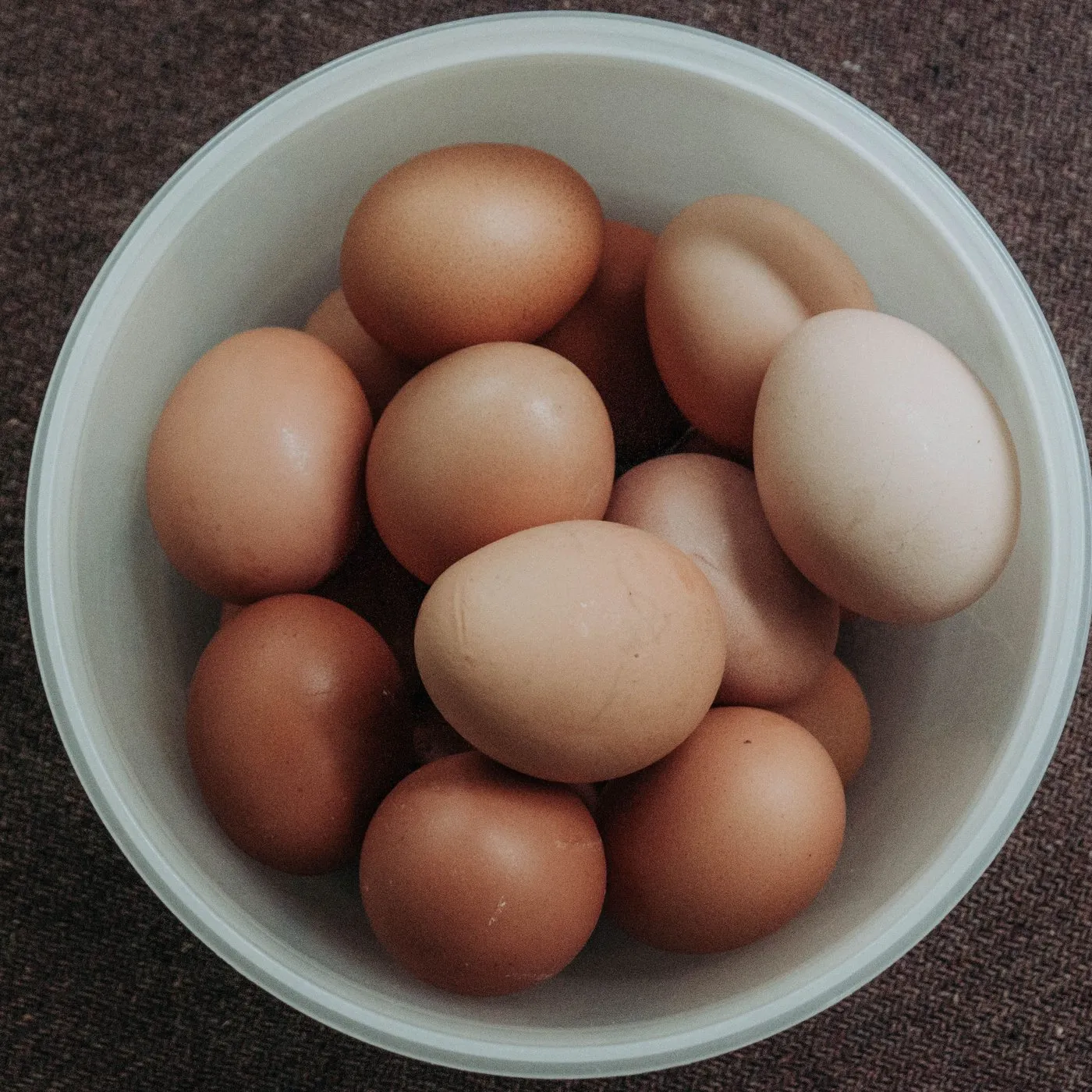 EggsEggs bind, glaze and lighten many foods you might not expect.Read the guide
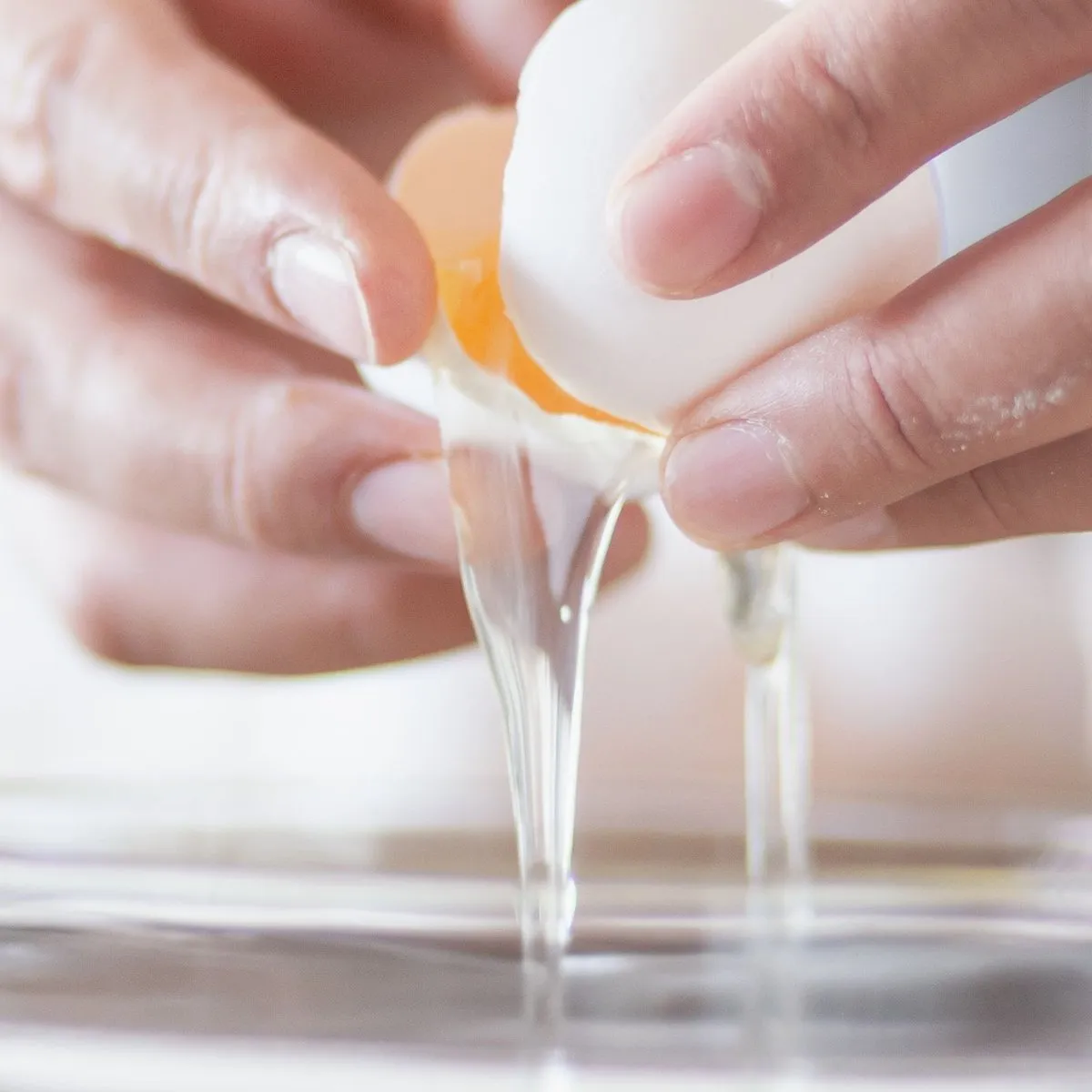 AlbuminEgg white protein, written under its technical name.Read the guide
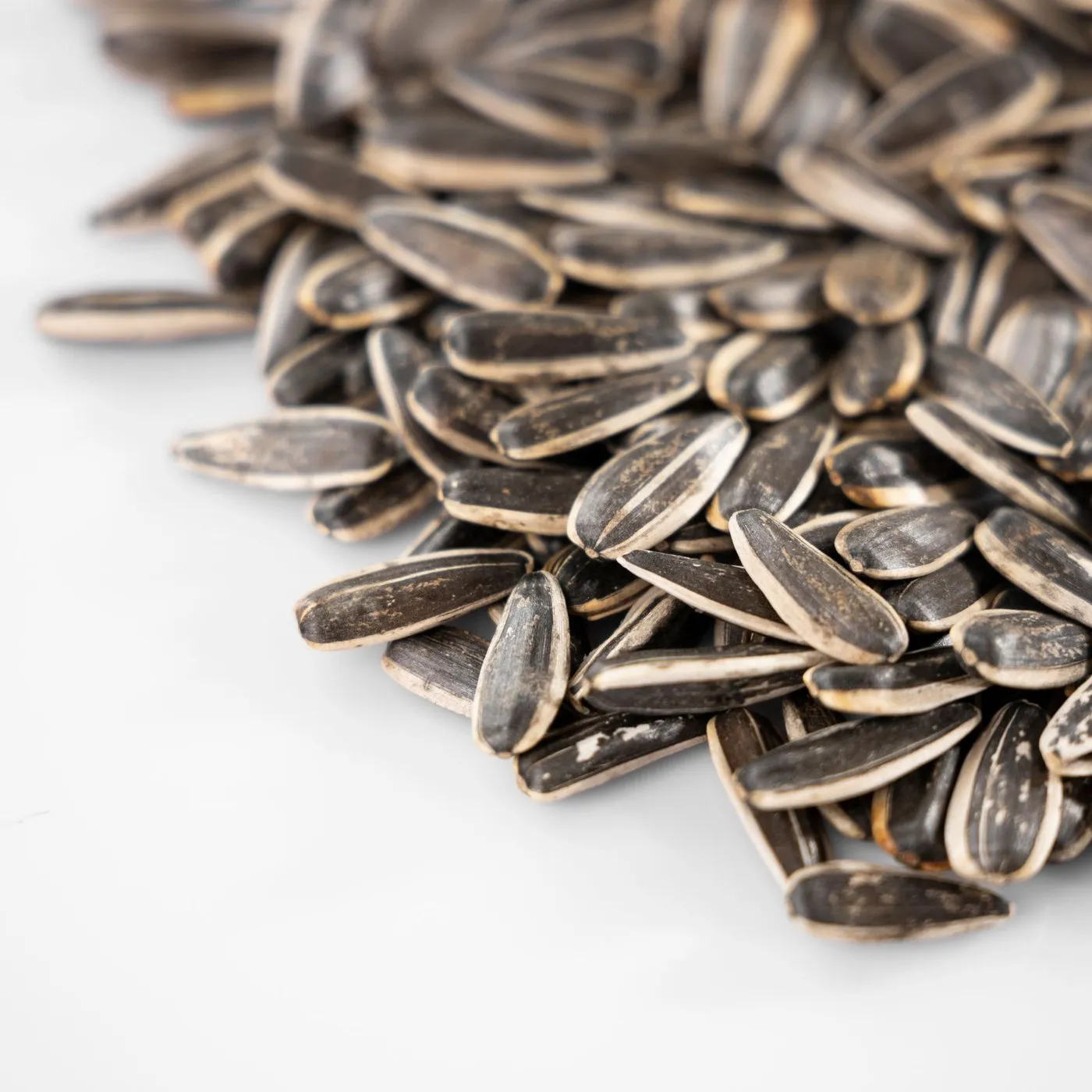 Lecithin (E322)The emulsifier in almost every chocolate bar, from four possible sources.Read the guide
 Mono- and diglycerides (E471)The most common emulsifier on a label, and its source is rarely stated.Read the guide
Tree nuts are named in a “may contain” line on 117,647 products in Open Food Facts, 2.9 times as many as list them in the recipe.
The EU names eight tree nuts, the US twelve. Almond is on 43,612 products in Open Food Facts; coconut, on 33,931, is a tree nut on no list.
Build your profile in about three minutes: the people you check for, what they avoid, what you track.