

Is bulgur a major allergen?
Bulgur is wheat, and wheat must be named on food labels. Bulgur itself is not a separate entry on those lists.
Bulgur is declared under “Cereals containing gluten” on these lists.
| Allergen | US | UK and Europe | Gulf |
|---|---|---|---|
| Cereals containing gluten | PartlyWheat only | RequiredWheat, rye, barley, oats, spelt, khorasan | RequiredWheat, barley, oats, rye, spelt |
Sources checked 13 October 2026. All allergen guides
What are the other names for bulgur on a label?
On a label, bulgur can also appear as “Bulgur wheat”, “Bulghur”, “Burghul”, “Bulgar wheat” or “Cracked wheat”.
Bravoora reads each of these as gluten. Try the label checker · How Bravoora decides
Where is bulgur found?
- Grain salads, including supermarket tabbouleh, are made with fine bulgur.
- Veggie burgers and ready-made grain bowls can contain it.
- Pilafs, stuffed vegetables and soups often use coarse bulgur.
- Kibbeh, baked or fried, mixes bulgur with meat or vegetables.
Which diets and allergies does bulgur fit?
For bulgur: a gluten-free profile gets Not for you; vegan, vegetarian, dairy-free, peanut-allergy, sesame-allergy, egg-allergy, soy-allergy and caffeine-free profiles get Fits you.
A packed product can still carry a “may contain” warning, so check the pack.
Does bulgur fit you?
Pick what applies to you:
Pick at least one to see your answer.
What is bulgur?
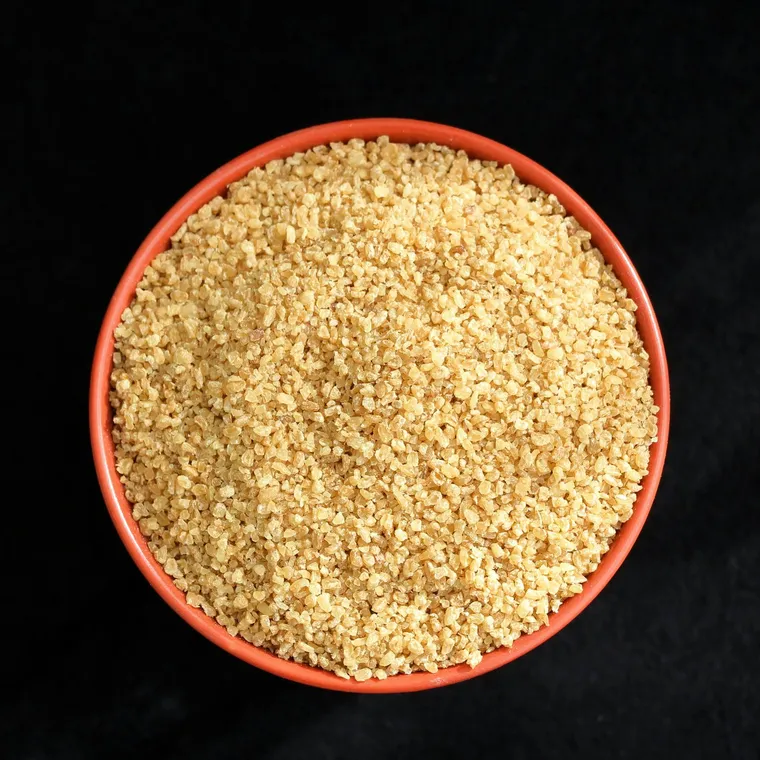
Bulgur is whole wheat, usually durum, that is parboiled, dried and cracked into coarse or fine grains. It cooks quickly, so it is a staple across the Middle East, Turkey and the Mediterranean. It is wheat, so it contains gluten and must be declared as wheat in the US, the UK, the EU and the Gulf. Cracked wheat that has not been parboiled is a close cousin, and is wheat too.
How does Bravoora check for bulgur?
Bravoora reads bulgur, burghul and bulghur as wheat, so a gluten profile gets one answer whatever the spelling.
More questions about bulgur
Who looks out for bulgur?
Bulgur matters most to people with coeliac disease, people with a wheat allergy, and anyone following a gluten-free profile.
Is bulgur gluten-free?
No. It is cracked wheat, so it contains gluten.
Is bulgur vegan?
Yes. It comes from grains.
Sources and how to cite this guide
- UK Food Standards Agency: Allergen guidance
- US FDA: Food allergies
- NHS: Coeliac disease
- European Union: Regulation 1169/2011 on food information to consumers, Annex II
- US FDA: Questions and Answers Regarding Food Allergen Labeling, Edition 5 (January 2025)
- FARE: Update to FDA guidance for food allergen labeling (tree nuts and coconut, January 2025)
- GCC Standardization Organization: GSO 9:2022, labelling of prepackaged food (current edition)
- GCC Standardization Organization: GSO 9/2013 English text, clause 5.2.5 (the allergen list as published)
- FAO/WHO international food labelling standard (CXS 1-1985, revised 2024)
To cite this guide: Bravoora, “Bulgur on a food label: it means wheat”, bravoora.app/ingredients/bulgur/, updated 13 October 2026.
Spotted something wrong or missing? Tell us.
General information, not medical advice. Rules differ by country and products change, so always check the pack.
Related ingredient guides
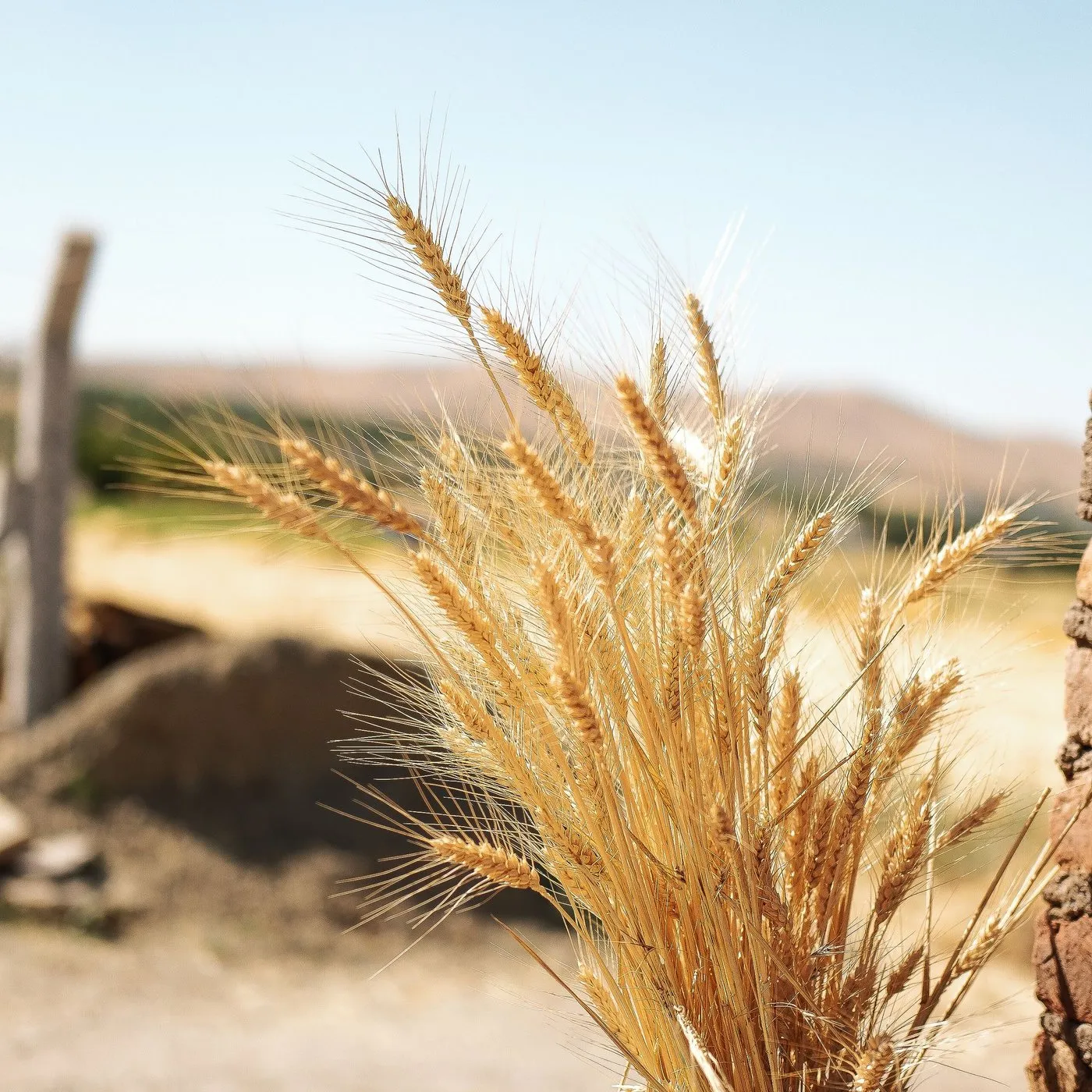 GlutenA protein in wheat, barley and rye, and in foods made from them.Read the guide
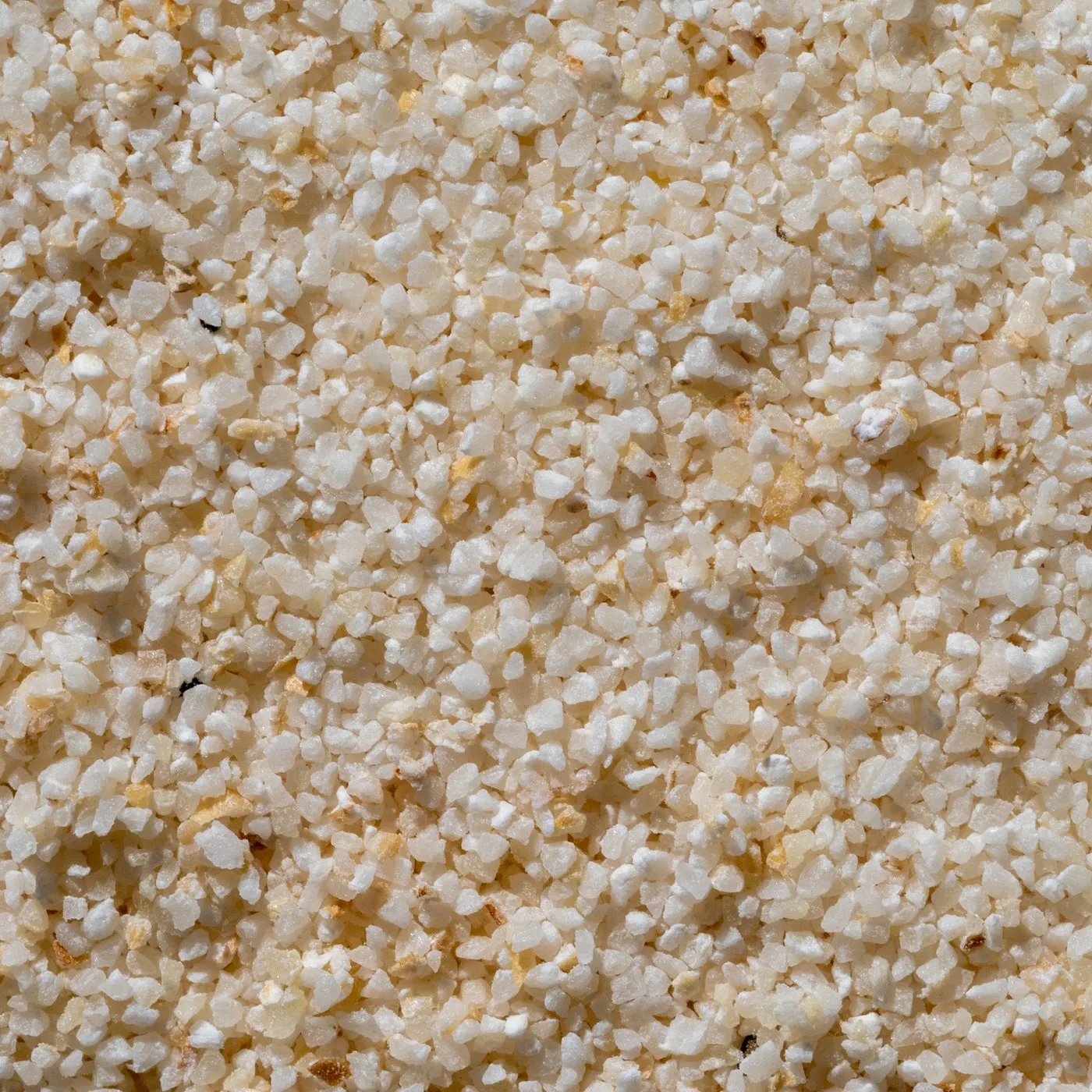 SemolinaCoarse wheat flour. If a label says semolina, it says wheat.Read the guide
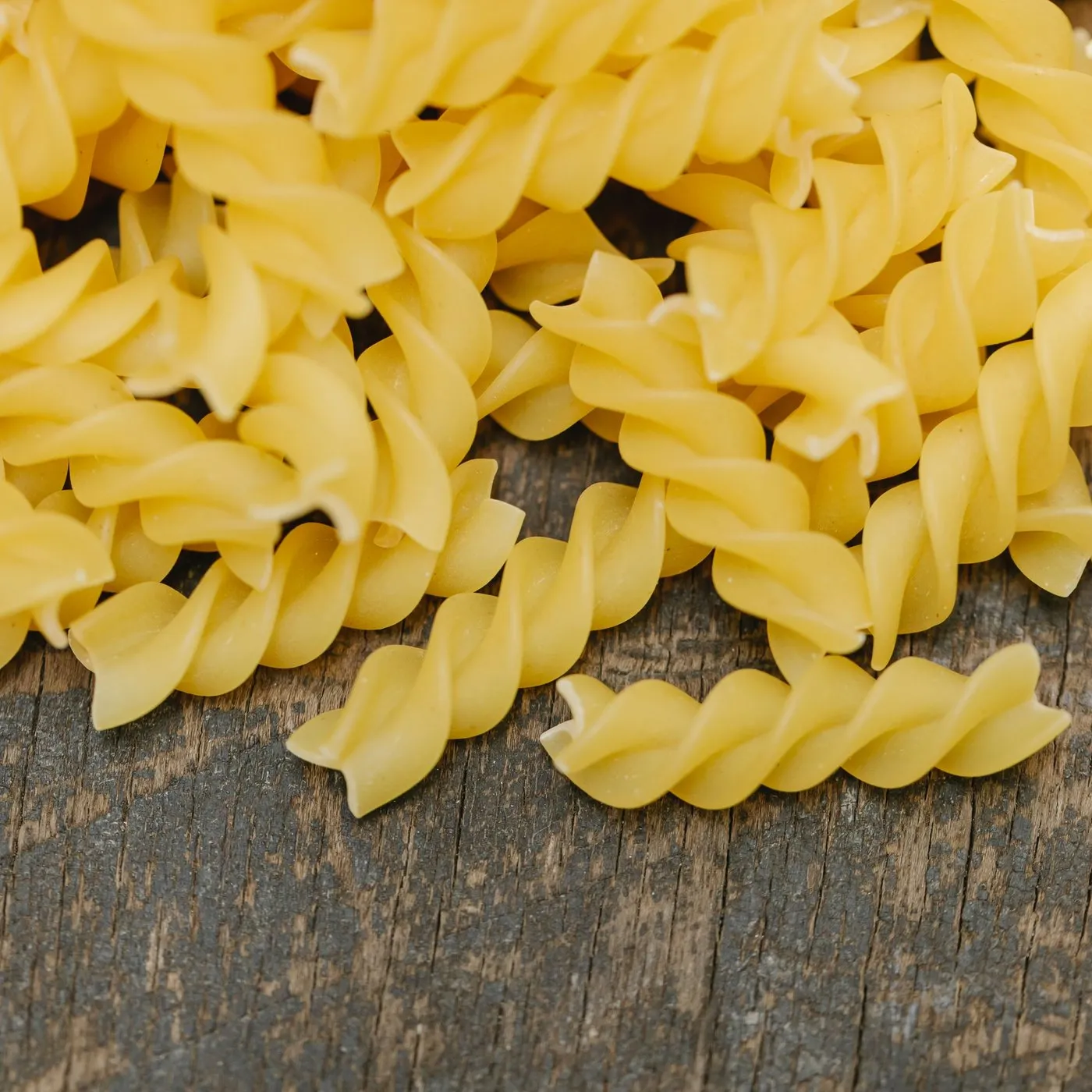 Durum wheatThe hard wheat pasta is made from. It is wheat, so it is gluten.Read the guide
 SpeltAn old kind of wheat, often sold as an alternative to wheat. It contains gluten.Read the guide