

Reading labels
How much protein is in flour, oats and seeds per 100 g?
Soya flour has 35.8 g of protein per 100 g, wheat flour 9.6 g and oat flakes 13.3 g. Protein and calories for 17 flours, grains and seeds.
We’re updating Bravoora, so forms and sign-in are paused for now. Nothing you saved is lost. Please try again later.
Skip to contentOf the 328 E-numbers in Bravoora’s list, seven always come from an animal or an insect, such as carmine (E120), and 49 more can.
Of the 328 E-numbers in Bravoora’s list, seven always come from an animal or an insect: carmine (E120), bone phosphate (E542), beeswax (E901), shellac (E904), lanolin (E913), lactitol (E966) and lysozyme (E1105). Another 49 can come from an animal or another source, and the label need not say which. Gelatin has no E-number: EU law does not class it as an additive.
No. E-numbers are the codes of the food additives approved in the EU, listed by number in Regulation (EC) No 1333/2008[1]. An EU label must print each additive’s category followed by its name or its E-number, such as “colour (E120)” or “emulsifier (E471)”[2]. Nothing in that rule asks what the additive was made from.
Bravoora’s E-number list records every source each code can come from, with the answer each profile gets[3]. Of its 328 codes, seven always come from an animal or an insect, and 49 more can come from an animal or from another source.
Seven codes in the list do[3]. The EU’s own specifications describe carmine as extracted from cochineal, the dried bodies of a female insect; shellac as purified lac, a secretion of the lac insect; beeswax as the wax of the honey bee’s comb; and lysozyme as a protein from hens’ egg whites[4].
A vegan profile gets Not for you on all seven. A vegetarian profile gets Not for you on E120, E542 and E904, which come from cochineal insects, animal bones and lac insects: insects count as animal. It gets Fits you on E901, E913, E966 and E1105, which come from honey bees, sheep's wool, milk and egg: none of those is meat or fish[3]. Nothing on the pack changes the answer: E120 is always from cochineal insects. A recipe that drops the code would.
Two of them reach beyond food. Carmine also colours cosmetics, where the ingredient list prints it as CI 75470[5]. In the US, food and cosmetic labels have had to name it, as “cochineal extract” or “carmine”, since 5 January 2011, without having to say that it comes from insects[6]. Shellac gives sweets and coated tablets their shine, and a tablet label often calls it “pharmaceutical glaze”[7].
| Code | Name | Made from | Vegetarian profile |
|---|---|---|---|
| E120 | Carmine (cochineal) | Cochineal insects | Not for you |
| E542 | Bone phosphate | Animal bones | Not for you |
| E901 | Beeswax | Honey bees | Fits you |
| E904 | Shellac | Lac insects | Not for you |
| E913 | Lanolin | Sheep's wool | Fits you |
| E966 | Lactitol | Lactose, from milk | Fits you |
| E1105 | Lysozyme | Egg | Fits you |
The list has 49 codes that can[3]. One of the most common is E471, mono- and diglycerides of fatty acids, which keeps fat and water mixed in bread, ice cream and margarine; its fatty acids can come from plant oils or from animal fat[8].
Unless the pack names the source, nobody reading the label can tell which one was used. So a vegan profile gets Heads up: source not stated on all 49. A vegetarian profile gets Heads up on the 47 where animal fat, fish, meat, animal collagen or poultry feathers is among the sources, and Fits you on E234 and E322, whose animal sources are milk or egg[3].
| Code | Name | Can come from | Vegetarian profile |
|---|---|---|---|
| E234 | Nisin | Fermentation or milk | Fits you |
| E304 | Ascorbyl palmitate | Plant oils or animal fat | Heads up |
| E322 | Lecithins | Soy, sunflower, rapeseed or egg | Fits you |
| E422 | Glycerol | Plant oils, animal fat or fermentation | Heads up |
| E431 | Polyoxyethylene (40) stearate | Plant oils or animal fat | Heads up |
| E432 | Polysorbate 20 | Plant oils or animal fat | Heads up |
| E433 | Polysorbate 80 | Plant oils or animal fat | Heads up |
| E434 | Polysorbate 40 | Plant oils or animal fat | Heads up |
| E435 | Polysorbate 60 | Plant oils or animal fat | Heads up |
| E436 | Polysorbate 65 | Plant oils or animal fat | Heads up |
| E442 | Ammonium phosphatides | Rapeseed, plant oils or animal fat | Heads up |
| E445 | Glycerol esters of wood rosins | Pine wood rosin, plant oils or animal fat | Heads up |
| E470a | Sodium, potassium and calcium salts of fatty acids | Plant oils or animal fat | Heads up |
| E470b | Magnesium salts of fatty acids | Plant oils or animal fat | Heads up |
| E471 | Mono- and diglycerides of fatty acids | Plant oils or animal fat | Heads up |
| E472a | Acetic acid esters of mono- and diglycerides of fatty acids | Plant oils or animal fat | Heads up |
| E472b | Lactic acid esters of mono- and diglycerides of fatty acids | Plant oils or animal fat | Heads up |
| E472c | Citric acid esters of mono- and diglycerides of fatty acids | Plant oils or animal fat | Heads up |
| E472d | Tartaric acid esters of mono- and diglycerides of fatty acids | Plant oils or animal fat | Heads up |
| E472e | DATEM (mono- and diglyceride esters) | Plant oils or animal fat | Heads up |
| E472f | Mixed acetic and tartaric acid esters of mono- and diglycerides of fatty acids | Plant oils or animal fat | Heads up |
| E473 | Sucrose esters of fatty acids | Plant oils or animal fat | Heads up |
| E474 | Sucroglycerides | Plant oils or animal fat | Heads up |
| E475 | Polyglycerol esters of fatty acids | Plant oils or animal fat | Heads up |
| E477 | Propane-1,2-diol esters of fatty acids | Plant oils or animal fat | Heads up |
| E479b | Thermally oxidised soya bean oil interacted with mono- and diglycerides of fatty acids | Plant oils, soy or animal fat | Heads up |
| E481 | Sodium stearoyl-2-lactylate | Plant oils or animal fat | Heads up |
| E482 | Calcium stearoyl-2-lactylate | Plant oils or animal fat | Heads up |
| E483 | Stearyl tartrate | Plant oils or animal fat | Heads up |
| E491 | Sorbitan monostearate | Plant oils or animal fat | Heads up |
| E492 | Sorbitan tristearate | Plant oils or animal fat | Heads up |
| E493 | Sorbitan monolaurate | Plant oils or animal fat | Heads up |
| E494 | Sorbitan monooleate | Plant oils or animal fat | Heads up |
| E495 | Sorbitan monopalmitate | Plant oils or animal fat | Heads up |
| E570 | Fatty acids | Plant oils or animal fat | Heads up |
| E626 | Guanylic acid | Yeast, fermentation or fish | Heads up |
| E627 | Disodium guanylate | Yeast, fermentation or fish | Heads up |
| E628 | Dipotassium guanylate | Yeast, fermentation or fish | Heads up |
| E629 | Calcium guanylate | Yeast, fermentation or fish | Heads up |
| E630 | Inosinic acid | Fish, meat or fermentation | Heads up |
| E631 | Disodium inosinate | Fish, meat or fermentation | Heads up |
| E632 | Dipotassium inosinate | Fish, meat or fermentation | Heads up |
| E633 | Calcium inosinate | Fish, meat or fermentation | Heads up |
| E634 | Calcium 5′-ribonucleotides | Fish, meat, yeast or fermentation | Heads up |
| E635 | Disodium 5′-ribonucleotides | Fish, meat, yeast or fermentation | Heads up |
| E640 | Glycine and its sodium salt | Made in a lab or animal collagen | Heads up |
| E920 | L-cysteine | Poultry feathers or fermentation | Heads up |
| E1517 | Glyceryl diacetate (diacetin) | Plant oils or animal fat | Heads up |
| E1518 | Glyceryl triacetate (triacetin) | Plant oils or animal fat | Heads up |
When the source is an allergen. EU rules count food additives as ingredients, so an additive made from egg, milk or fish must name that allergen on the label, like any other ingredient[2]. In the list, egg is a source of E322 and E1105; milk, of E234 and E966; and fish, of E626, E627, E628, E629, E630, E631, E632, E633, E634 and E635[3].
One of them is exempt: lactitol (E966) is made from lactose, the milk sugar[3], but EU rules leave lactitol out of the milk entry, so the pack may not say milk[2].
For lecithin (E322), a pack that names the source settles it, as in “sunflower lecithin”; one that says only “lecithin” leaves it open[9].
Because it is not an additive. EU law names edible gelatin among the substances that are not food additives, so it has no E-number[1]. A label lists it by name, as gelatin or gelatine, sometimes with the animal, as in beef, pork or fish gelatin[10].
Gelatin is made from animal collagen, usually from the skin and bones of cattle, pigs or fish, and it sets gummies and forms many softgel shells[10]. Glycine and its sodium salt (E640) can come from the same animal collagen[3]. The guide to supplement labels shows where gelatin sits on a supplement panel.
Method: codes, sources and answer words read on 13 October 2026 from Bravoora’s E-number list, updated 13 October 2026, through the same code that builds each E-number page[3]. “Always” is a code the list records as animal or insect in origin; “can come from” is a code whose source varies, with an animal or an insect among its possible sources. The list records what a code can be made from, not what a given product used.
Bravoora reads each code in the forms a pack prints it, such as “E471”, “E 471”, “INS 471” or “Emulsifier (471)”[3], and compares the source with the profile you build. For Mia, whose profile is vegetarian, E120 gives “Not for Mia” and E471 with no stated source gives “Heads up for Mia”. For E471, a stated source changes the answer. A pack that says “from plant oils” gives Fits you; one that says “from animal fat” gives Not for you. A list that is cut off or unreadable gets Needs one more scan. The methodology shows how it is tested.
Let Bravoora read the label with you.
Tell it once what matters: your allergens, your diet, the ingredients you watch. Every answer then shows the words it is based on.
This guide covers the 328 codes in Bravoora’s E-number list, the EU rules on naming additives and allergens, and the US rule on naming carmine. It does not cover flavourings, processing aids or other countries’ rules.
The list records what a code can be made from, not what a given product used: only a source named on the pack, or the maker, can settle that.
Sources were checked on 13 October 2026.
This is general label information, not medical or dietary advice. For an allergy, a doctor or dietitian can tell you which sources matter.
Heads up. Source not stated. E471 can come from plant oils or animal fat. The pack does not have to say which, so the app says Heads up instead of guessing.
Yes, for both profiles. Carmine (E120) and shellac (E904) come from cochineal insects and lac insects, so vegan and vegetarian profiles both get Not for you on them.
It can be. E322 can come from soy, sunflower, rapeseed or egg. When it comes from egg, the label must name egg. A pack that says only “lecithin” leaves the source open, so a vegan profile gets Heads up.
No. EU law does not count edible gelatin as a food additive, so it has no E-number and the label names it as gelatin. It is made from animal collagen, and the label often does not say which animal.
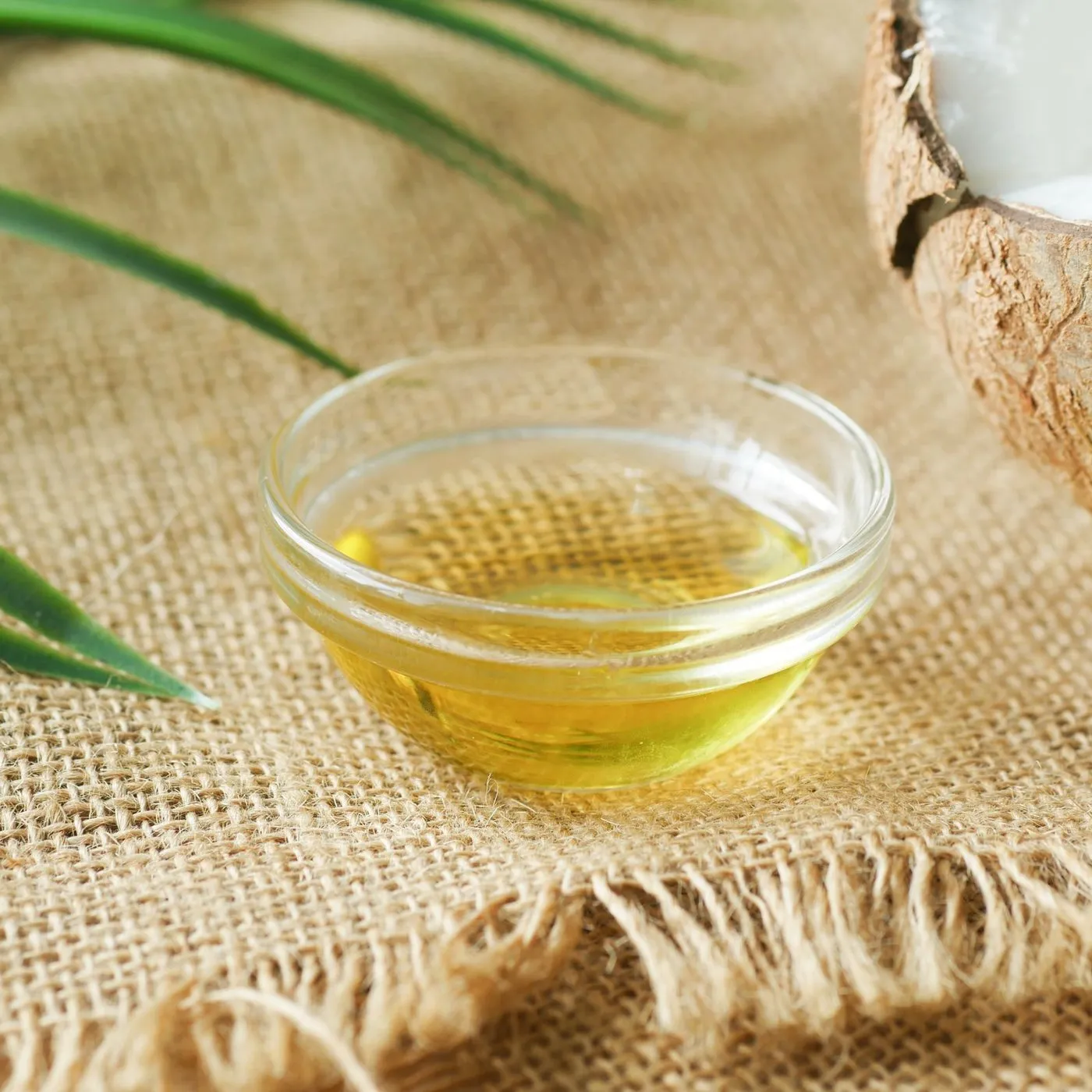 Mono- and diglycerides (E471)The most common emulsifier on a label, and its source is rarely stated.Read the guide
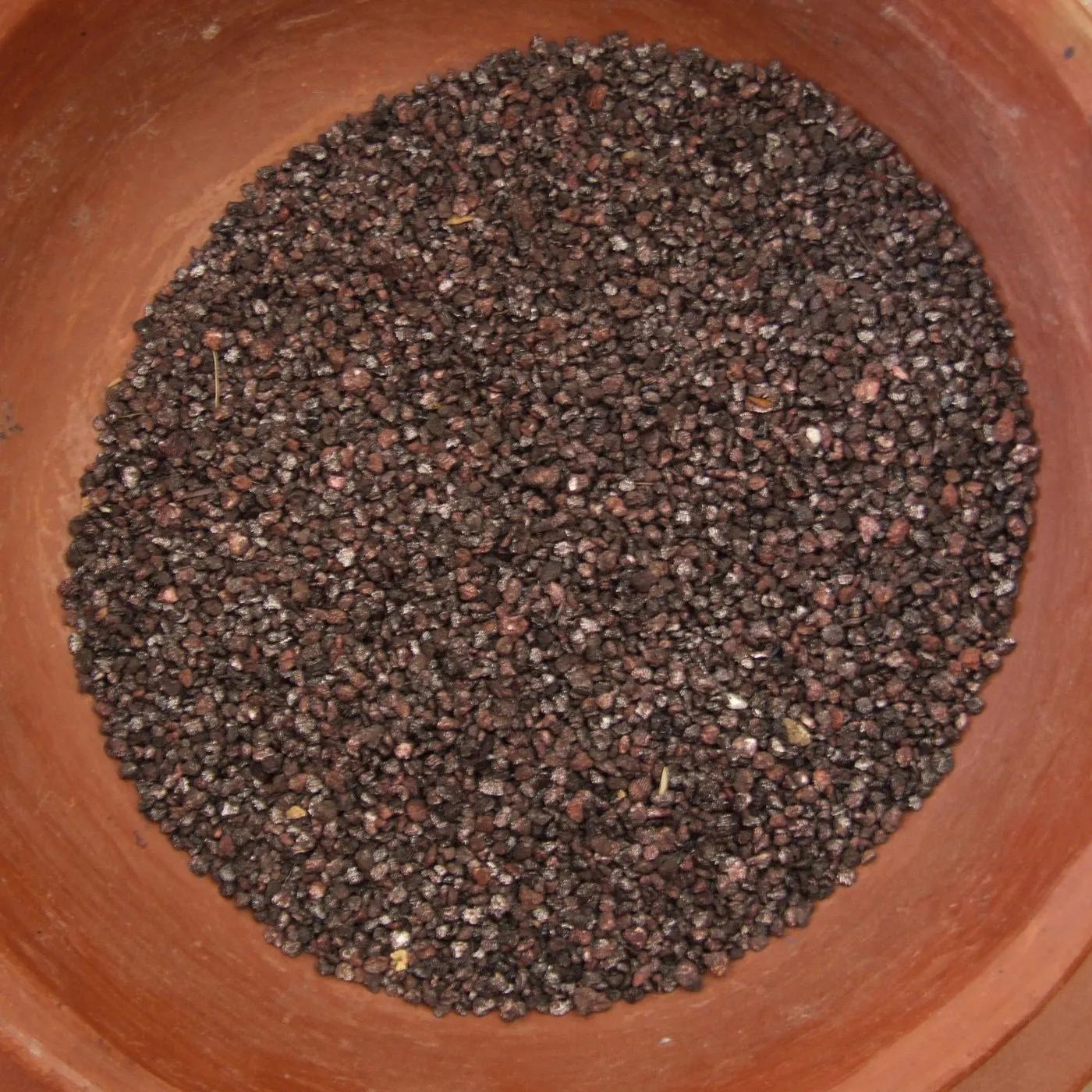 Carmine (E120)A bright red colour made from insects.Read the guide
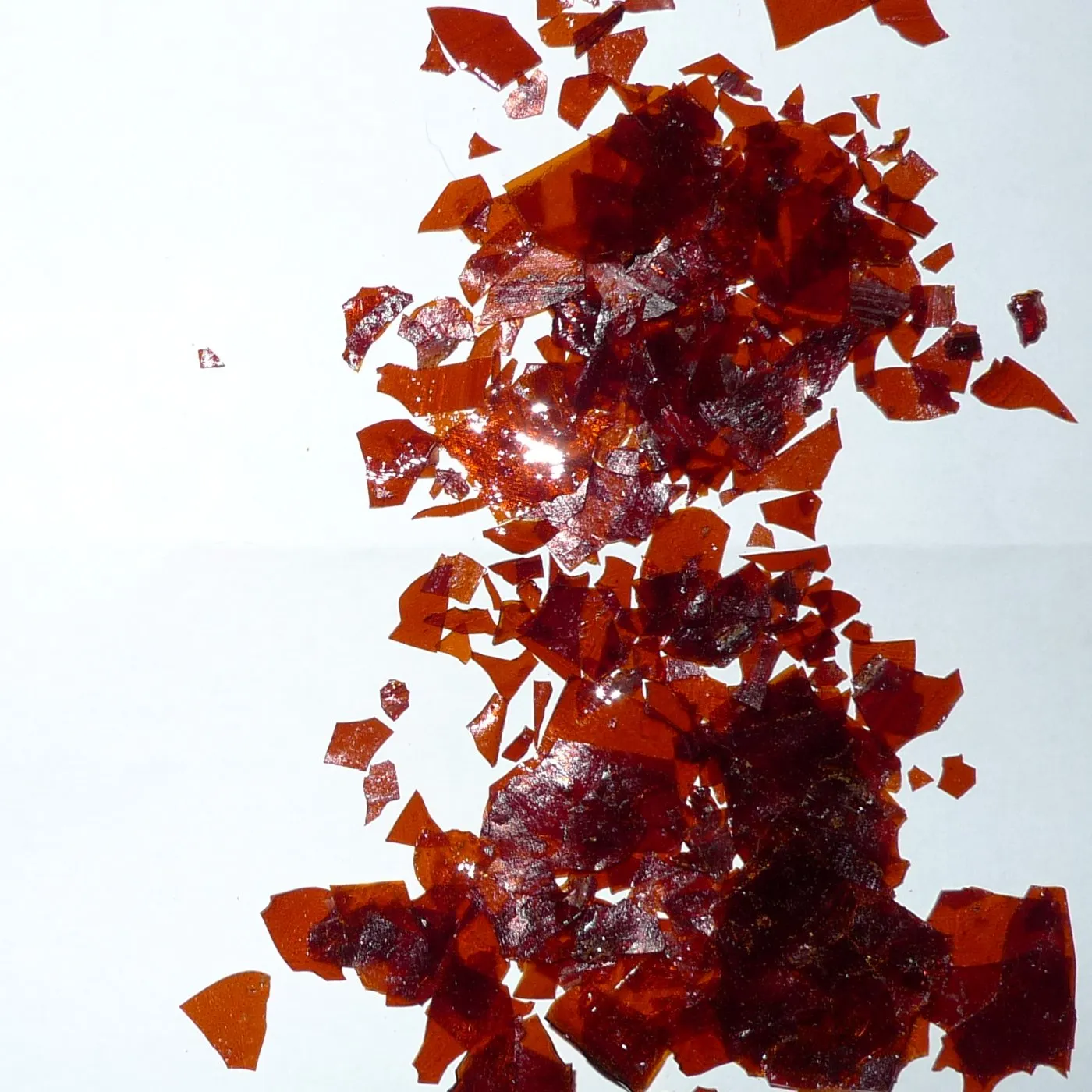 Shellac (E904)The shine on sweets and coated tablets, made from an insect resin.Read the guide
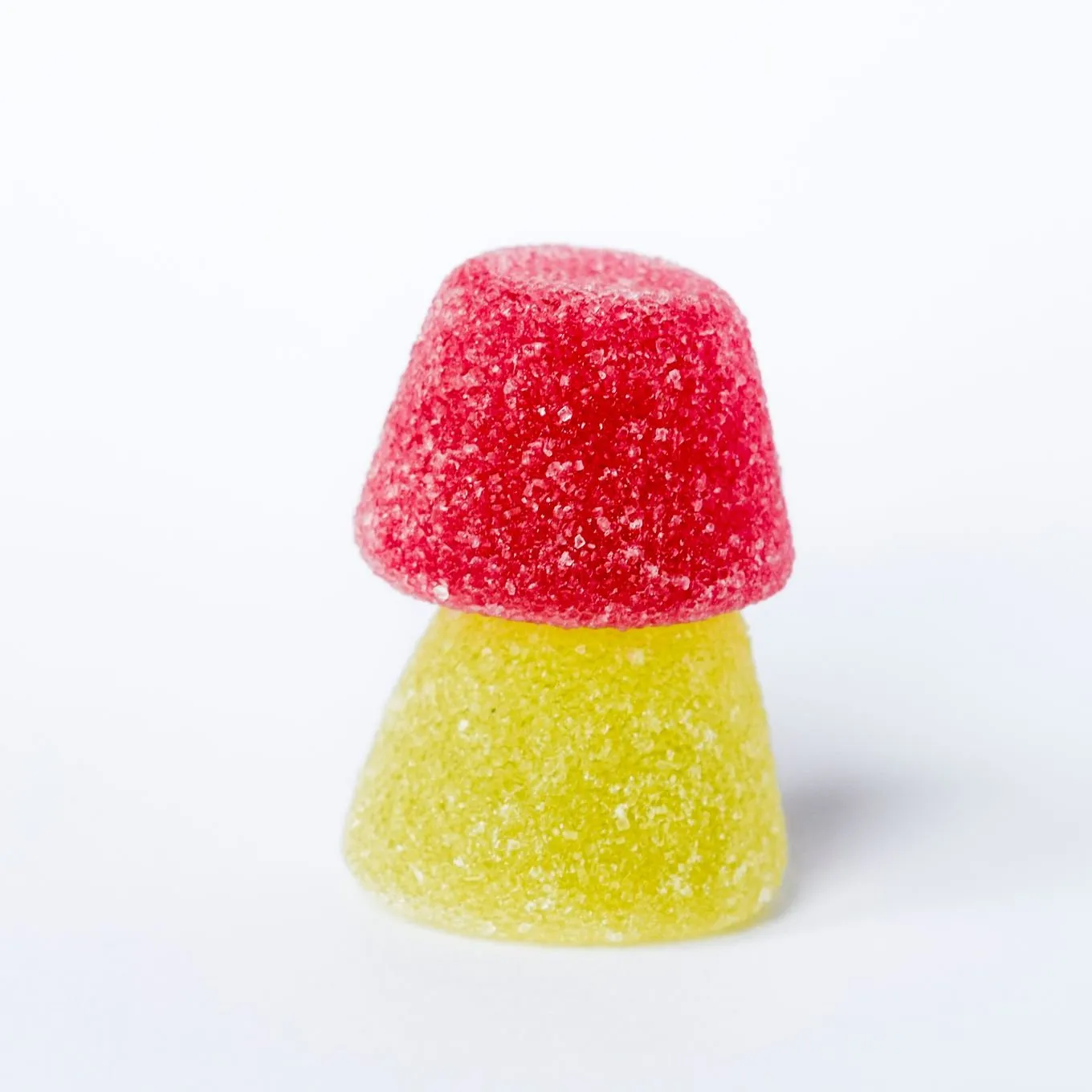 GelatinAn animal protein that sets gummies, marshmallows and softgels.Read the guide
Soya flour has 35.8 g of protein per 100 g, wheat flour 9.6 g and oat flakes 13.3 g. Protein and calories for 17 flours, grains and seeds.
Sugar, on 524,712 products in Open Food Facts, is vegan only for some makes; so are natural flavouring, lactic ferments and artificial flavouring.
Build your profile in about three minutes: the people you check for, what they avoid, what you track.