

Allergens
How often does a food label say “may contain”, allergen by allergen?
Tree nuts are named in a “may contain” line on 117,647 products in Open Food Facts, 2.9 times as many as list them in the recipe.
We’re updating Bravoora, so forms and sign-in are paused for now. Nothing you saved is lost. Please try again later.
Skip to contentWheat is on 258,709 products in Open Food Facts, then oats, malt, barley and rye. EU and UK labels must name them all; US labels flag wheat only.
Wheat is the gluten cereal on the most labels: Open Food Facts lists it on 258,709 products, then oats (46,027), malt (38,720), barley (34,602) and rye (6,685). EU and UK labels must name each cereal. US labels must flag wheat only, though 19,343 of the barley products are sold in the US.
Four, and their kinds: wheat, rye, barley and oats. The EU and UK allergen list calls them cereals containing gluten, and counts spelt and khorasan as kinds of wheat[1]. The label must name the cereal, not just the word gluten, so the printed words are “wheat flour”, “barley malt extract” or “spelt (wheat)”[2].
Bravoora’s dictionary has 152 names in its gluten family, each with its own page[3].
Wheat, by far: Open Food Facts lists wheat or a kind of wheat on 258,709 products, about one in five of the 1,284,867 with an ingredient list[4]. Wheat flour alone is on 211,706. The ancient kinds of wheat are rare by comparison: emmer on 507, einkorn on 412 and khorasan wheat on 298.
| Cereal | Products | Of them sold in the US | Most often in |
|---|---|---|---|
| Wheat | 258,709 | 88,406 | Biscuits and cakes |
| Oats | 46,027 | 17,731 | Breakfast cereals |
| Malt | 38,720 | 9,222 | Biscuits and cakes |
| Barley | 34,602 | 19,343 | Bread |
| Rye | 6,685 | 1,159 | Bread |
| Spelt | 3,031 | 415 | Breakfast cereals |
| Triticale | 676 | 519 | Bread |
| Emmer | 507 | 28 | Pasta, rice and flour |
| Einkorn | 412 | 27 | Pasta, rice and flour |
| Khorasan wheat | 298 | 136 | Bread |
Because the US list of major allergens names wheat and not the other gluten cereals. The nine are milk, eggs, fish, crustacean shellfish, tree nuts, peanuts, wheat, soybeans and sesame[5]. Barley, rye and oats still appear in the ingredient list as ingredients, but no “Contains” line has to repeat them[5][6].
The data shows how often that matters. Of the 34,602 products that list barley, 19,343 are recorded as sold in the US, 56%, against 34% for wheat[4]. Most of that US barley is barley malt flour: 17,036 of the 19,343 US barley products list it, most often in bread, then biscuits and cakes.
| Market | Gluten cereals the label must name |
|---|---|
| European Union and UK | Wheat, rye, barley, oats, spelt, khorasan[6] |
| United States | Wheat only: barley, rye and oats are not on the US major allergen list[5][6] |
| Gulf (GSO 9) | Wheat, barley, oats, rye, spelt[6] |
Usually barley. Malt is barley that has been soaked, sprouted and dried, and barley malt extract is that malt cooked down to a syrup or a powder[7]. Open Food Facts lists malt on 38,720 products, most often in biscuits and cakes, then alcoholic drinks[4]. Malt vinegar is on 1,227 products, 530 of them sold in the UK, and barley malt vinegar on 821.
Malt made from wheat or rye says so on an EU or UK label, because the cereal must be named[2]. A US gluten-free food cannot contain barley malt extract[7].
Method: product counts from the Open Food Facts export, read on 13 October 2026[4]; cereal names from Bravoora’s dictionary[3] and, for spelt, its guide. A product counts under a cereal when its list names the cereal or a kind of it, in any language, so the counts overlap. “Sold in the US” is where a product is recorded as sold. Contains information from Open Food Facts, which is made available here under the Open Database License (ODbL)[8].
Bravoora reads the cereal names in the ingredient list and in the “may contain” line, every name in the table among them, and shows the printed word with its grain: “barley malt flour = barley”. For Daniel, whose profile is gluten-free, a name in the list gives “Not for Daniel” and a name only in a warning line gives “Heads up”, on a US pack as on a European one. The methodology shows how it is tested.
Let Bravoora read the label with you.
Tell it once what matters: your allergens, your diet, the ingredients you watch. Every answer then shows the words it is based on.
This article counts gluten cereals in Open Food Facts, a database its contributors fill in from real packs: it covers the products in it, not every product on sale, and a count is not a market share.
Rules covered: the EU and UK list of cereals containing gluten, the US major allergens and the Gulf list, as Bravoora’s gluten guide sets them out. Sources were checked on the dates listed below.
This is general label information, not medical advice. With coeliac disease or a wheat allergy, follow your clinician’s plan.
Yes. Barley is one of the cereals containing gluten, and EU and UK labels must name it. In the US it is not a major allergen, so a “Contains” line need not mention it; 19,343 of the 34,602 barley products in Open Food Facts are sold in the US.
No. Spelt is a kind of wheat, and UK labels name it as “spelt (wheat)”. Open Food Facts lists spelt on 3,031 products.
Usually, but not always. Malt is most often sprouted, dried barley; malt made from wheat or rye must name that cereal on an EU or UK label.
Because only wheat is a US major allergen. The barley is still in the ingredient list; the “Contains” line only has to repeat the major allergens.
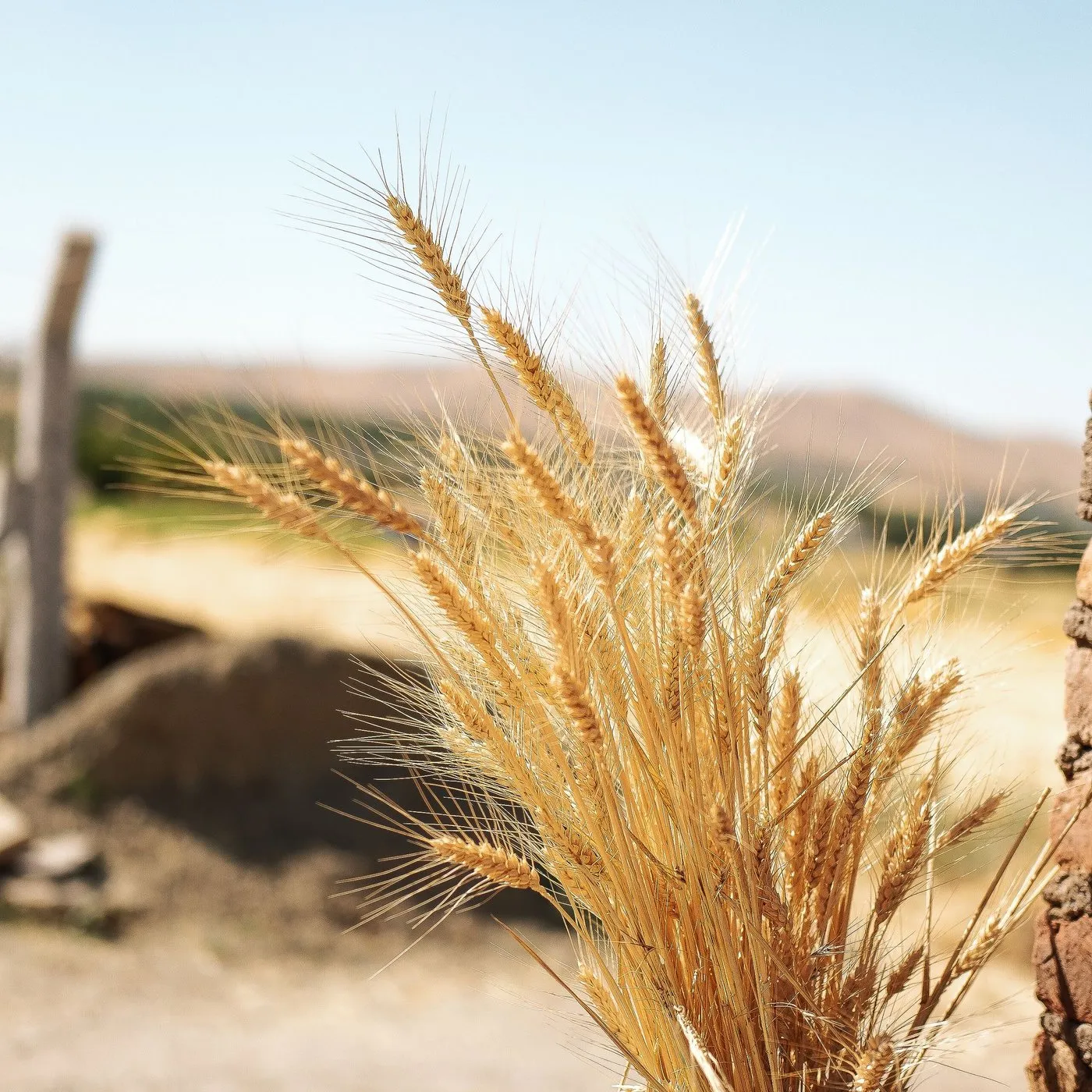 GlutenA protein in wheat, barley and rye, and in foods made from them.Read the guide
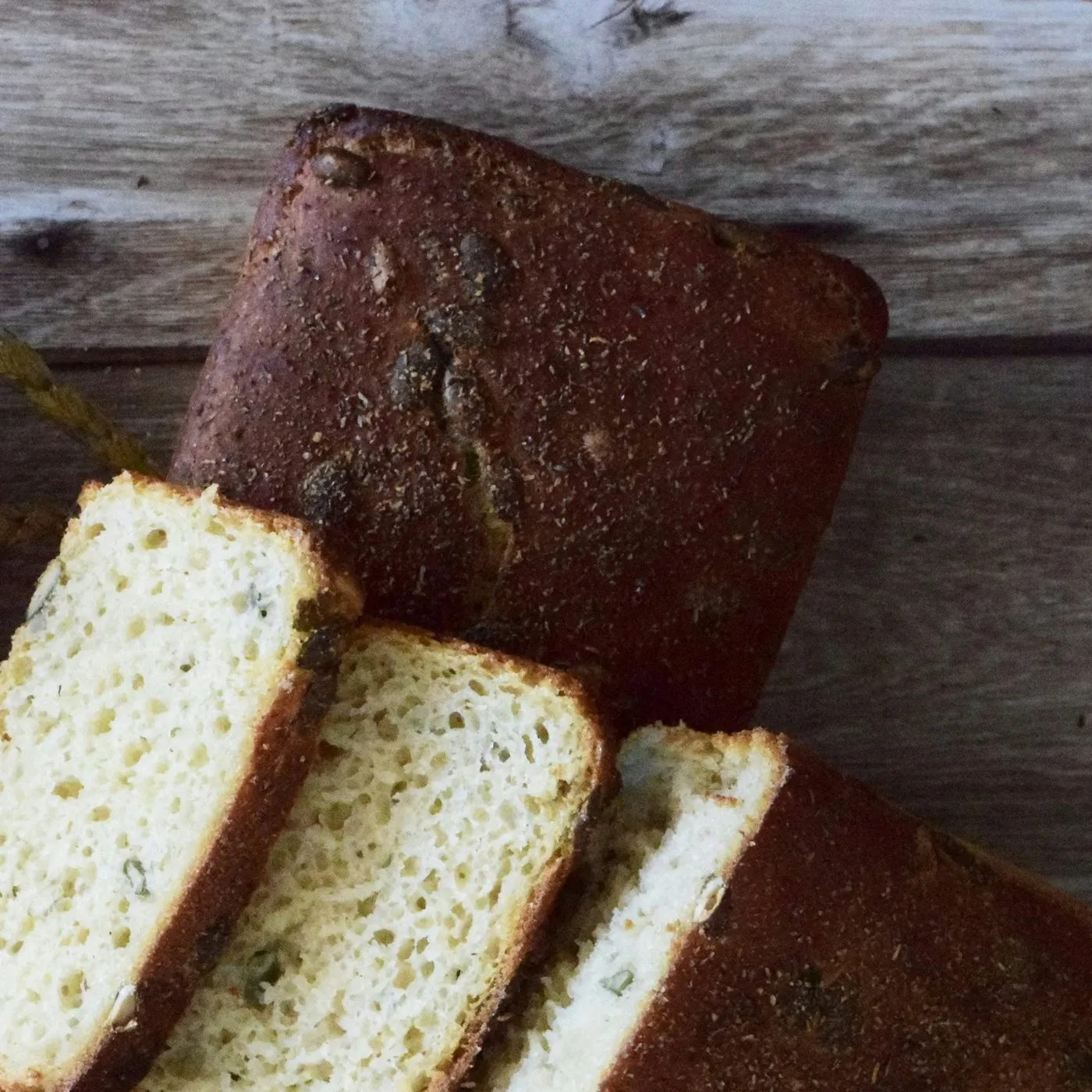 SpeltAn old kind of wheat, often sold as an alternative to wheat. It contains gluten.Read the guide
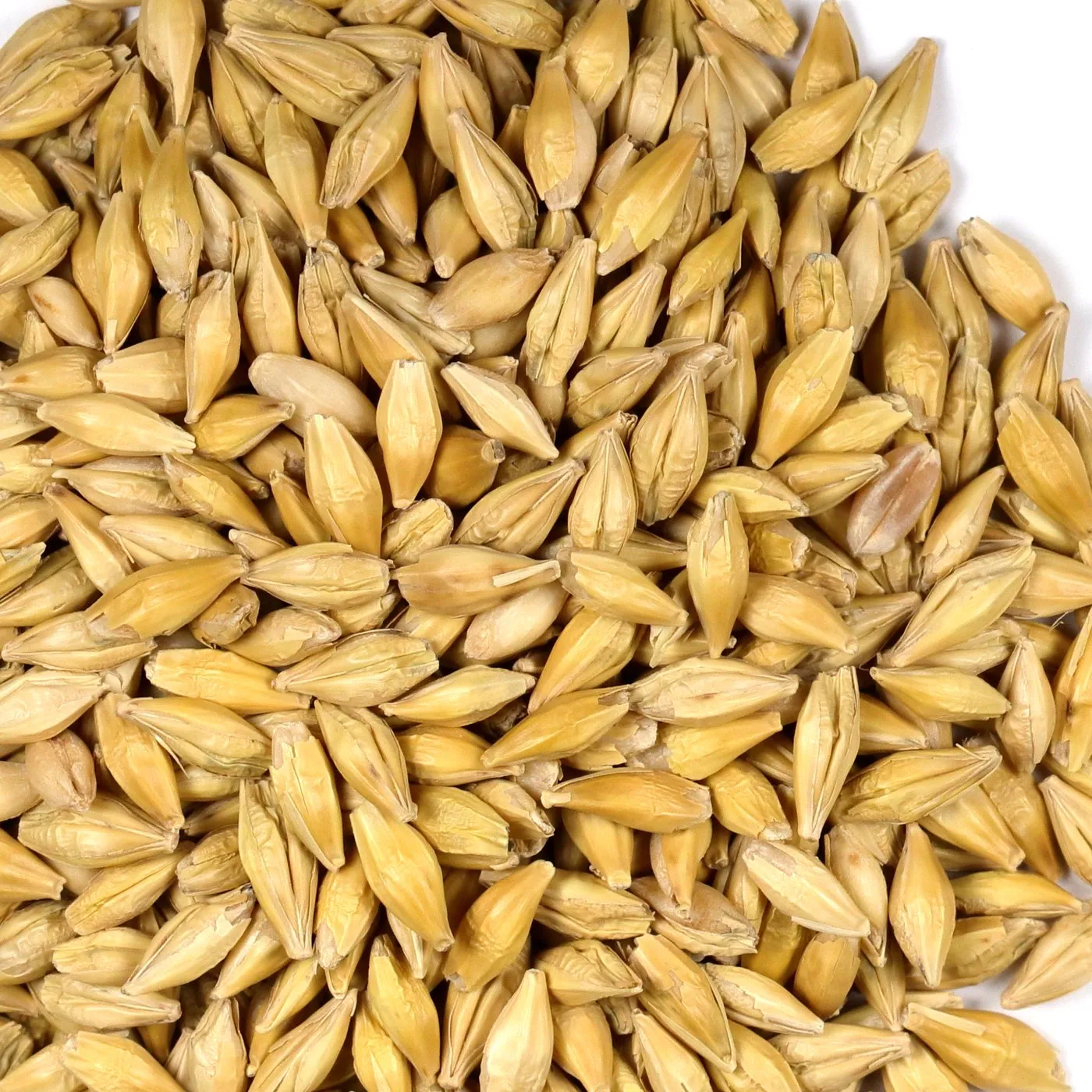 Barley malt extractSweet, dark syrup from sprouted barley. Barley is a gluten cereal.Read the guide
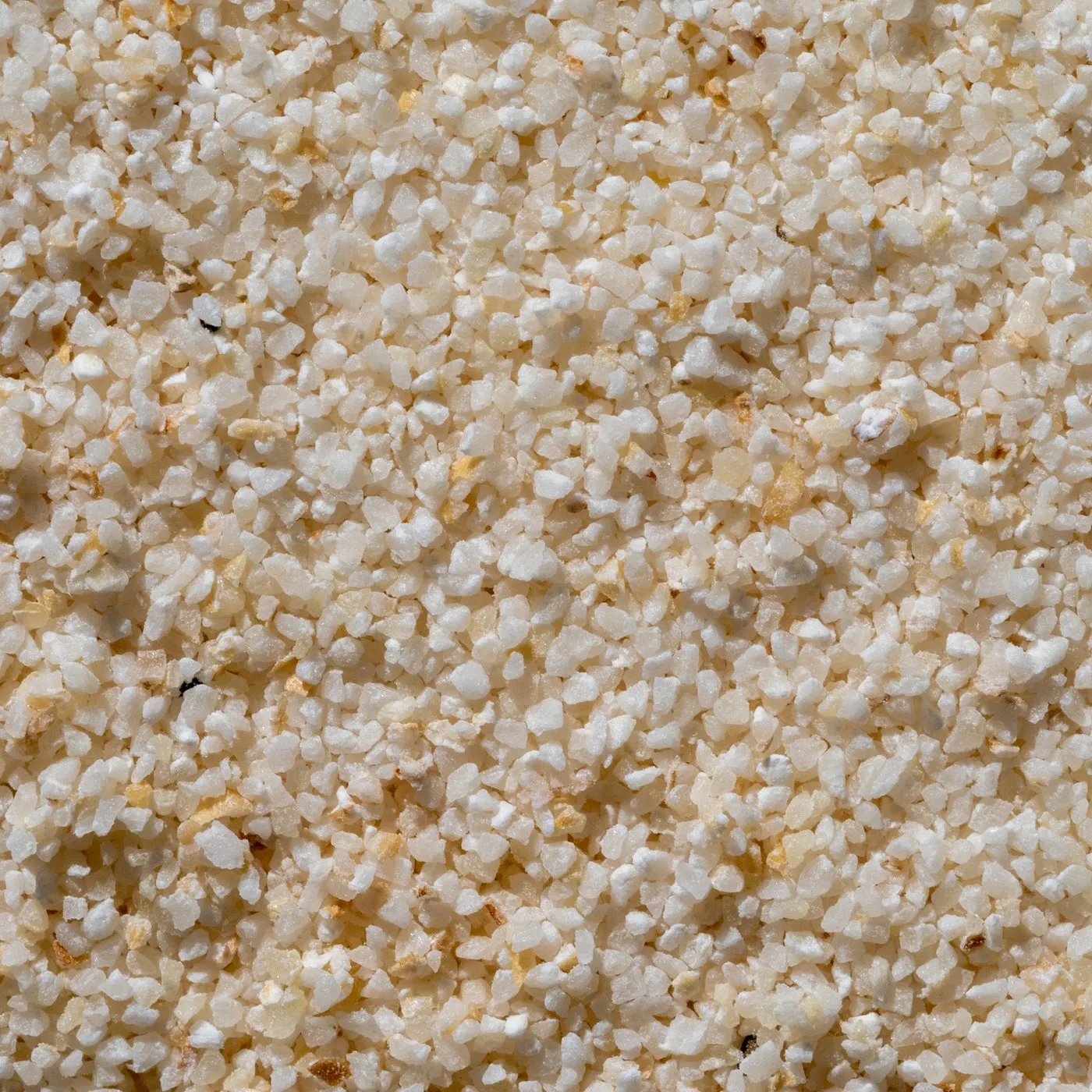 SemolinaCoarse wheat flour. If a label says semolina, it says wheat.Read the guide
Tree nuts are named in a “may contain” line on 117,647 products in Open Food Facts, 2.9 times as many as list them in the recipe.
The EU names eight tree nuts, the US twelve. Almond is on 43,612 products in Open Food Facts; coconut, on 33,931, is a tree nut on no list.
Build your profile in about three minutes: the people you check for, what they avoid, what you track.